

🇨🇦
Canada
Grieving Albertans seek ways to protect vulnerable children after Parker’s death
Summarized and contextualized by DistantNews.
At a glance
In-depth
Named sources
Outcome reported
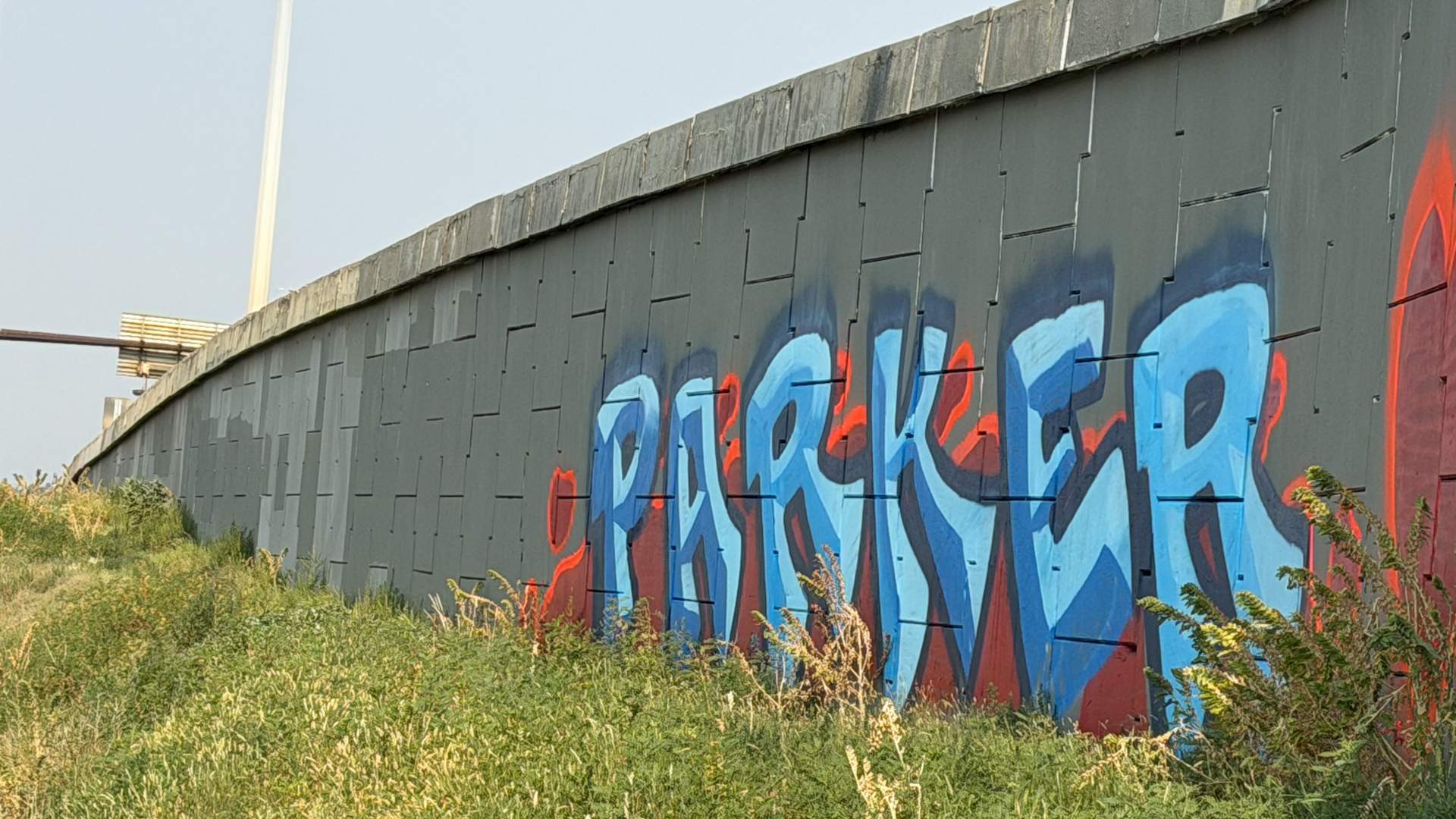
- The death of Parker, an 11-year-old non-verbal autistic boy who went missing for 11 days, has left Albertans grieving and seeking better ways to protect vulnerable children.
- Autism Edmonton is urging the public to learn how to safely approach lost or distressed neurodivergent children, emphasizing a calm and informed response.
- Experts advise calling authorities immediately, maintaining a safe distance, using few words, and identifying the child's interests to establish a connection while awaiting first responders.
The tragic death of 11-year-old Parker, a non-verbal autistic boy whose disappearance triggered an extensive 11-day search, has deeply affected Albertans, prompting widespread grief and a renewed focus on protecting vulnerable children. The community is now actively seeking improved methods to ensure the safety of children, particularly those with neurodevelopmental differences.
I think first off, acknowledge your feelings. They are valid. I think collectively we’re experiencing grief. A lot of love and support was poured into Calgary and this is definitely not the outcome we wanted.
Autism Edmonton's executive director, Cassandra Rascal, is encouraging the public to educate themselves on how to respond safely when encountering a child who appears lost or in distress. She stressed that a calm, informed approach can be crucial in such situations. Rascal acknowledged the collective grief felt by the community, especially among parents of autistic children who understand the potential dangers of wandering incidents.
Rascal shared that many members of her organization have recounted past experiences of children wandering away, leaving parents deeply shaken. "I know many parents, especially those with autistic kiddos, this is so close to home," she said. She emphasized the importance of community support during this difficult time.
I know many parents, especially those with autistic kiddos, this is so close to home. Really hug your loved ones, love your loved one and just embrace community right now.
Experts, including Rascal, are highlighting the need for public awareness regarding how to assist neurodivergent children who may be lost. Because autism is often an "invisible disability," it may not be immediately apparent that a child is autistic. If someone encounters a lost or distressed neurodivergent child, authorities recommend calling emergency services immediately while observing from a safe distance. It is advised to use few words, introduce oneself calmly, and reassure the child, avoiding yelling, crowding, or excessive questioning, which could overwhelm the child and cause them to flee or hide. Identifying a child's special interests, such as trains or Disney, can also help establish a connection while first responders are en route.
You don’t want to yell. You don’t want to get into their personal space. Fewer words are better. You can say, ‘Hi, my name is Cassandra. I’m here to help,’ and keep it at that.
DistantNews Editorial
Originally published by Global News. Summarized and contextualized by our editorial team with added local perspective. Read our editorial standards.
More Stories
From Our Blog

What Gets Lost (and Found) When News Is Translated

The Critical Role of Diaspora Media in Global News

What Travellers Should Know About Countries with Restricted Press

A Digital Nomad's Guide to Following Local News

How the Same Story Looks Different in Different Countries
