


Guardians of the 'National Treasure': Protecting Ginseng on Ngọc Linh Mountain
Translated from Vietnamese, summarized and contextualized by DistantNews.
At a glance
In-depth
Sources not specified
Context piece
- Guards live in makeshift shelters on Ngọc Linh mountain, over 2,000 meters high, to protect valuable ginseng crops.
- They face constant threats from thieves, wild animals, and the "ginseng fever" that draws outsiders.
- The guards endure harsh conditions, including cold temperatures and heavy rain, to safeguard the ginseng, which can fetch high prices.
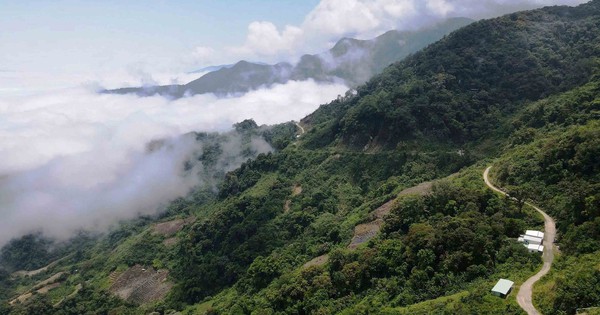
Amidst the mist-shrouded Ngọc Linh mountain, home to the nation's prized ginseng, dedicated guards live in remote shelters. These guardians reside in simple huts built on steep slopes, over 2,000 meters above sea level, dedicating their days and nights to protecting every ginseng plant. They serve as a living shield against theft, wild animal attacks, and the pervasive "ginseng fever" that lures people into the remote highlands.
In a small tin-roofed hut within the Tắk Ngo ginseng garden in Trà Linh commune, Hồ Văn Rủi, a seasoned ginseng cultivator and protector, spoke of his sleepless nights in the wilderness. Outside, the relentless rain drummed against the cold metal roof. "At times, the price of ginseng soared, reaching 120-150 million dong per kilogram. More and more strangers came up the mountain. We had to take turns on watch, sleeping next to the garden, ready to grab our lights and check at the slightest sound," Rủi recounted.
The Tắk Ngo garden, a hub for preserving and distributing ginseng seeds, is guarded around the clock by four staff members. Their work knows no fixed hours. By day, they inspect the soil and treat pests; by night, they patrol continuously. During prolonged heavy rains, the team dons raincoats to check if water is flooding the roots, as ginseng is highly sensitive to soil conditions and temperature fluctuations.
At times, the price of ginseng soared, reaching 120-150 million dong per kilogram. More and more strangers came up the mountain. We had to take turns on watch, sleeping next to the garden, ready to grab our lights and check at the slightest sound.
"Ginseng is very temperamental; even a little waterlogged soil or a sharp temperature change can kill entire batches. Outsiders see the small plants and think they are easy to grow, but cultivating a 10-year-old root requires immense effort in preserving the forest, the land, and one's own patience," Rủi said with a smile, his calloused hands tending to the wood fire.
Living amidst the cold, beneath the canopy of ancient trees, the ginseng gardens appear as an isolated world. Free from the noise of motorcycles and the distraction of stable phone signals, only the howling wind and the damp scent of earth fill the air. The ginseng guardians live in solitude for months on end.
Ginseng is very temperamental; even a little waterlogged soil or a sharp temperature change can kill entire batches. Outsiders see the small plants and think they are easy to grow, but cultivating a 10-year-old root requires immense effort in preserving the forest, the land, and one's own patience.
Hồ Văn Thật, a 26-year-old from the Xê Đăng ethnic group who manages hundreds of hectares of ginseng for a company, shared that he often stayed on the mountain for the entire rainy season. "The nights here are very cold, often dropping below 10 degrees Celsius. But the greatest fear isn't the cold; it's losing the ginseng. One moment of carelessness could mean decades of work gone in an instant," Thật said.
According to Thật, ginseng thieves have become more sophisticated. Intruders often navigate forest paths at night, with some even posing as tourists to scout the area. Consequently, ginseng gardens maintain strict secrecy about their locations and limit access for outsiders. "We often hear dogs barking in the middle of the night, and the whole team jumps up with flashlights to investigate. Once, we found strange footprints around the fence and stayed awake until morning," he recalled.
Thật and his colleagues also battle forest rodents that threaten the crops. Hundreds of traps are set around the gardens to prevent these pests from causing damage. "The..."
The nights here are very cold, often dropping below 10 degrees Celsius. But the greatest fear isn't the cold; it's losing the ginseng. One moment of carelessness could mean decades of work gone in an instant.
DistantNews Editorial
Originally published by Thanh Niên in Vietnamese. Translated, summarized, and contextualized by our editorial team with added local perspective. Read our editorial standards.
More Stories

From Our Blog

What Gets Lost (and Found) When News Is Translated

The Critical Role of Diaspora Media in Global News

What Travellers Should Know About Countries with Restricted Press

A Digital Nomad's Guide to Following Local News

How the Same Story Looks Different in Different Countries
