

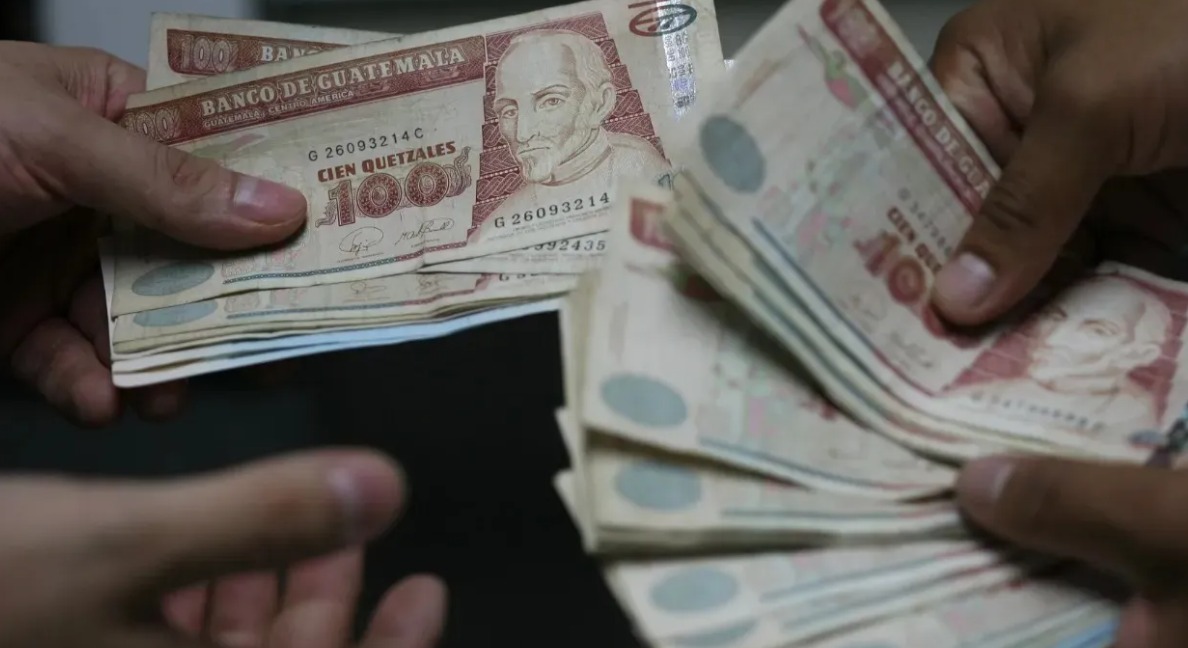

Guatemala Prepares for Anti-Laundering Evaluation with New Law
Translated from Spanish, summarized and contextualized by DistantNews.
At a glance
News
Official statement
New plan
- Guatemala has modernized its legal framework to combat money laundering and terrorism financing with a new comprehensive law.
- The country will undergo its fifth round of Mutual Evaluation by Gafilat starting February 2027, with results expected in August 2028.
- This evaluation assesses Guatemala's anti-money laundering system's effectiveness and provides recommendations for improvement.
Guatemala is preparing for a crucial international assessment of its financial crime defenses following the enactment of a new comprehensive law against money laundering and terrorism financing. The "Ley Integral contra el Lavado de Dinero u Otros Activos y el Financiamiento del Terrorismo" modernizes the nation's legal arsenal to meet global standards.
The country, a member of the Financial Action Task Force (FATF) and the Financial Action Task Force of Latin America (Gafilat), faces its fifth round of Mutual Evaluation starting in February 2027. This rigorous process, concluding with results presentation in August 2028, will scrutinize Guatemala's system for preventing and combating money laundering and terrorism financing (ML/TF).
This evaluation involves a detailed review of the country's legal and institutional framework, assessing both technical compliance with FATF recommendations and the practical effectiveness of its anti-ML/TF measures. A key component is the country's rating, which indicates the efficacy of its system and identifies deficiencies. The process also yields recommendations for strengthening these defenses.
The timing of the law's approval coincides with a visit from the International Monetary Fund (IMF) for its Article IV consultation, an annual review of the country's economic health. The new law consolidates international standards and global network linkages into a single text, aiming to enhance Guatemala's ability to combat financial crime effectively.
DistantNews Editorial
Originally published by Prensa Libre in Spanish. Translated, summarized, and contextualized by our editorial team with added local perspective. Read our editorial standards.
More Stories


From Our Blog

What Gets Lost (and Found) When News Is Translated

The Critical Role of Diaspora Media in Global News

What Travellers Should Know About Countries with Restricted Press

A Digital Nomad's Guide to Following Local News

How the Same Story Looks Different in Different Countries
