

Guatemala Prepares for Crucial 2027 Gafilat Evaluation on Money Laundering
Translated from Spanish and summarized by DistantNews. Read the original for the full story.
At a glance
Interview
Named sources
Ongoing story
- Guatemala is preparing for a mutual evaluation by Gafilat in 2027 concerning money laundering and terrorism financing prevention.
- International specialists will visit in June to assess the country's readiness and coordination among institutions.
- The evaluation encompasses the entire national system, involving numerous public and private sector entities.
Guatemala is embarking on the crucial path toward a mutual evaluation by the Financial Action Task Force of Latin America (Gafilat) scheduled for 2027. This process will scrutinize the nation's entire system for preventing and combating money laundering and the financing of terrorism. To prepare, international specialists are set to visit the country from June 9 to 11.
What will be evaluated is the entire national system for the prevention and repression of money laundering and the financing of terrorism.
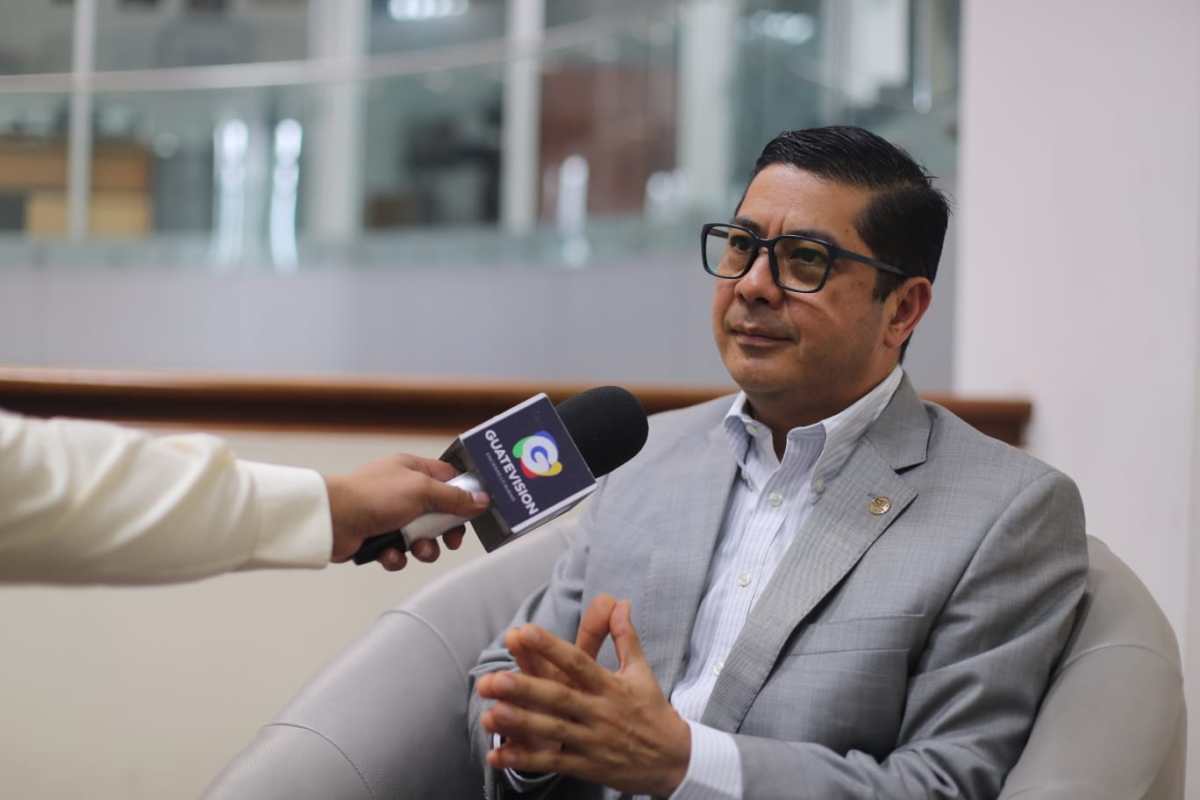
Saulo de León Durán, the Superintendent of Banks, explained that the upcoming visit aims to gauge Guatemala's current level of preparedness, the coordination among relevant institutions, and the organizational structure of the preparatory work. "This is not an extraordinary activity for Guatemala. It is part of the process that Gafilat develops with all countries that will be subjected to a mutual evaluation," he stated, emphasizing that it's an opportunity to "take the temperature of how the national system is functioning."
The specialists are looking to begin understanding the country's level of preparation, the degree of coordination between institutions, and how we are organizing the work prior to the evaluation.
The evaluation is comprehensive, involving a wide array of public institutions, including the Ministry of Interior, the Public Ministry, the Judiciary, the Strategic Intelligence Secretariat of the State, the Ministry of Defense, and the Superintendence of Tax Administration. Crucially, private sector actors are also included, as the assessment is not confined to government bodies alone. All participating entities must understand their roles, the risks the country faces, and the mitigation strategies being implemented.
The evaluation involves numerous institutions. We can mention the Ministry of Interior, Public Ministry, Judiciary, Strategic Intelligence Secretariat of the State, Ministry of Defense, Superintendence of Tax Administration, and many other entities that have responsibilities within the national system.
De León Durán stressed the importance of broad participation: "If only the Superintendence of Banks were to attend these meetings, the immediate question would be where are the other institutions that form part of the national system?" He underscored that the evaluation is fundamentally "of the country," requiring a unified national approach to demonstrate effectiveness in combating financial crimes.
The evaluation is of the country. If only the Superintendence of Banks were to attend these meetings, the immediate question would be where are the other institutions that form part of the national system?
About this summary
Originally published by Prensa Libre in Spanish. Translated, summarized, and contextualized automatically by DistantNews, with a note on how the source frames the story. Not individually reviewed before publishing. How this works.
More Stories


From Our Blog

What Gets Lost (and Found) When News Is Translated

The Critical Role of Diaspora Media in Global News

What Travellers Should Know About Countries with Restricted Press

A Digital Nomad's Guide to Following Local News

How the Same Story Looks Different in Different Countries
