

Guatemala University Rector's Term Ends Amid Legal Uncertainty, Possible Extension
Translated from Spanish, summarized and contextualized by DistantNews.
At a glance
News
Named sources
Context piece
- The University of San Carlos de Guatemala (Usac) faces uncertainty regarding its next rector as Walter Mazariegos's term ends.
- Legal challenges and a recent electoral regulation change suggest Mazariegos may continue in his role.
- Analysts warn this situation prolongs an institutional crisis affecting the university's governance.
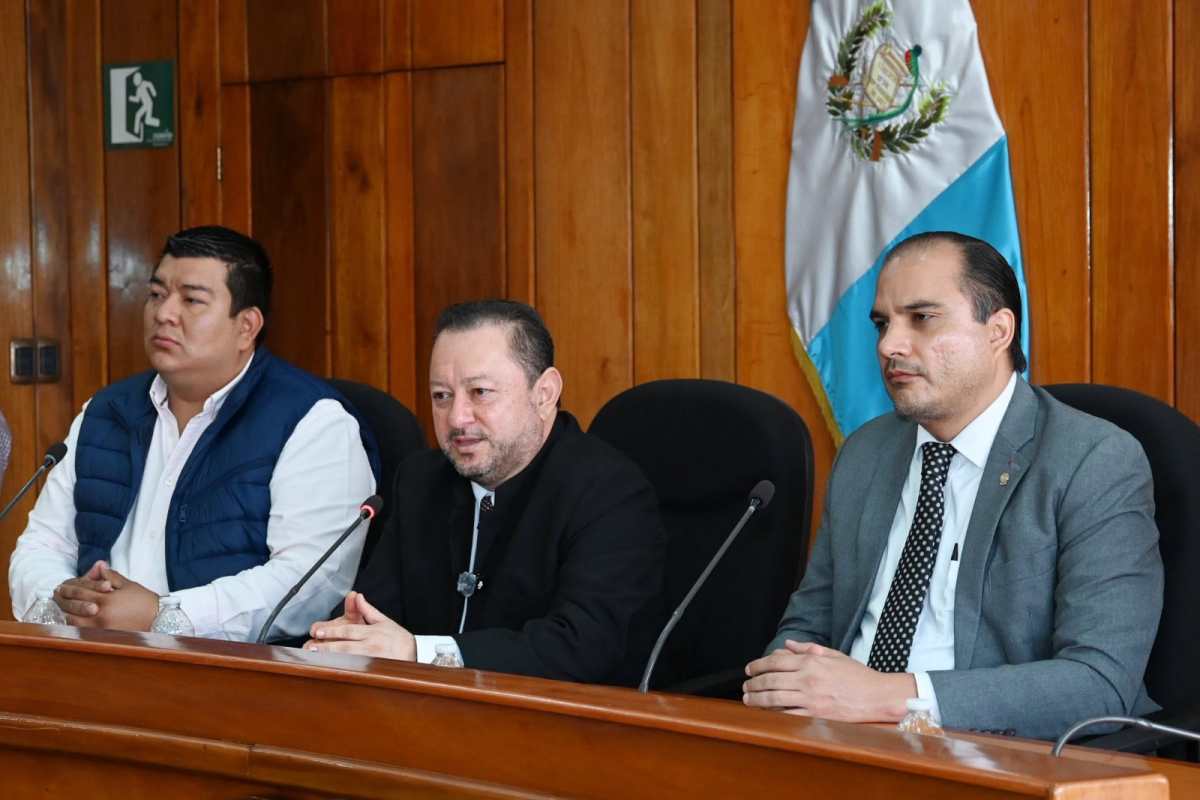
The University of San Carlos de Guatemala (Usac) is on the brink of a leadership vacuum as Rector Walter Mazariegos's term concludes on June 30, with legal uncertainties and a controversial electoral reform pointing towards his potential continuation in office.
Multiple legal resources remain unresolved, and a reform to the Election Regulations approved last year by the University's Superior University Council (CSU) could allow Mazariegos to remain rector beyond his elected term. Analysts consulted by Prensa Libre suggest that a de facto continuation of the current rector is the most likely immediate scenario, though they differ on the legal and political implications.
Legally, the 2022-2026 term must end on June 30; however, it is very likely that the current rector will continue in office.
This lack of clarity exacerbates an ongoing institutional crisis, impacting the governance of Guatemala's public university. Mynor Lorenzo, an analyst from Guatemala Visible, cited unresolved legal actions pending before the Constitutional Court and Courts of Appeals concerning the election for the 2026-2030 rectorate as the primary source of uncertainty. He noted that while the 2022-2026 term legally ends June 30, the current rector is likely to stay.
The modification is arbitrary and undemocratic.
Lorenzo explained that Article 2 bis of the Election Regulations, added in April 2025, stipulates that university authorities remain in their positions until their successors are installed. This modification altered the historical succession mechanism, which previously required the oldest dean to assume interim leadership if no successor was elected.
Juan Pablo Muñoz, coordinator of the Alliance for Reforms, criticized the regulation change, calling it arbitrary and undemocratic. He argued that the incumbent rector should step down even without a successor, emphasizing that maintaining Mazariegos would hinder the university's institutional recovery and prolong conflicts that have paralyzed academic and administrative activities.
The correct thing should be that the person whose term ends hands over their position, even if there is no successor. Usac has succession rules for rectors and deans; their stay should not be prolonged.
DistantNews Editorial
Originally published by Prensa Libre in Spanish. Translated, summarized, and contextualized by our editorial team with added local perspective. Read our editorial standards.
More Stories

From Our Blog

What Gets Lost (and Found) When News Is Translated

The Critical Role of Diaspora Media in Global News

What Travellers Should Know About Countries with Restricted Press

A Digital Nomad's Guide to Following Local News

How the Same Story Looks Different in Different Countries
