


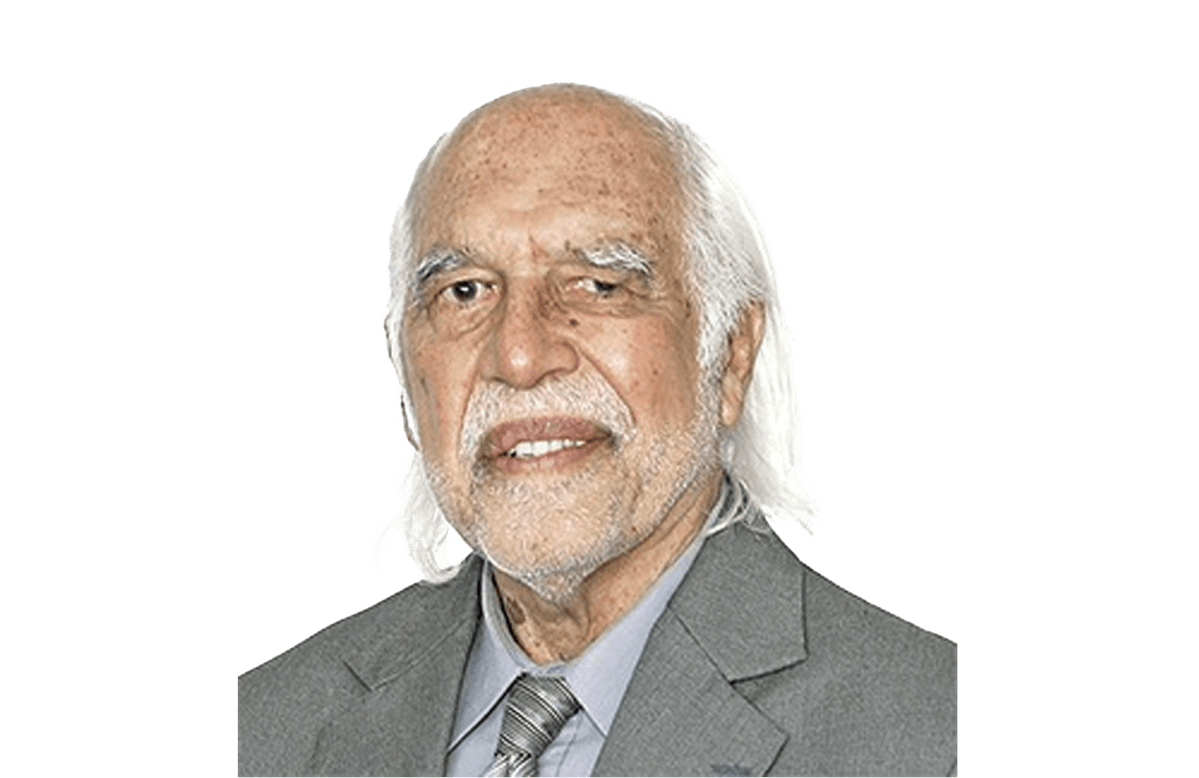
The Fall of Árbenz and Its Consequences
Translated from Spanish, summarized and contextualized by DistantNews.
At a glance
Opinion
Sources not specified
Context piece
- The article reflects on the 72nd anniversary of President Jacobo Árbenz's resignation, which followed a U.S.-orchestrated coup.
- Árbenz was overthrown for challenging the interests of the United Fruit Company, which held significant power and land in Guatemala.
- The coup led to subsequent authoritarian regimes and U.S. military involvement in the region, including training anti-Castro troops.
Seventy-two years ago, on June 27, President Jacobo Árbenz of Guatemala resigned under duress, a decision stemming from a U.S.-backed coup and the betrayal of his own army. His downfall was a direct consequence of challenging the immense power of the United Fruit Company (UFCO), an American corporation that controlled 70% of Guatemala's arable land and wielded significant political influence.
The history is written and documented. Denying or ignoring it does not change it.
UFCO, founded in 1899, had grown into a symbol of exploitation in Latin America, often referred to as "the octopus." The company dictated government policies, bribed officials, and maintained its dominance through concessions granted by U.S.-aligned governments. Árbenz's land reform policies, which sought to redistribute unused land, directly threatened UFCO's vast holdings, prompting the U.S. government, acting in the company's interest, to orchestrate his removal.
Following Árbenz's resignation, CIA-backed mercenaries entered Guatemala City, forcing military cadets to march alongside them in a humiliating display. The national flag was reportedly snatched during this event, an insult that fueled a subsequent, albeit failed, insurrection by the cadets. This act of defiance, led by Sergeant Jorge Luis Araneda, was quashed by the Archbishop and the U.S. ambassador, resulting in the cadets' arrest and the closure of the military school.
UFCO was founded in 1899 in response to the demand for Argentine meat and Central American bananas, which forced the creation of the cold chain that revolutionized world food trade.
The coup ushered in a series of U.S.-friendly presidents, including Carlos Castillo Armas, who was assassinated in 1957. His successor, General Miguel Ydígoras Fuentes, further compromised national sovereignty by allowing U.S. troops to train anti-Castro forces on Guatemalan soil in 1961. This decision sparked a rebellion among nationalist military officers, highlighting the deep divisions and ongoing resistance to foreign intervention and authoritarian rule in Guatemala.
The heroic conduct of the cadets, mostly 15-year-old youths, was the first vindicatory action of the attempt to modernize our country driven by the Revolution of October 1944.
DistantNews Editorial
Originally published by Prensa Libre in Spanish. Translated, summarized, and contextualized by our editorial team with added local perspective. Read our editorial standards.
More Stories

From Our Blog

What Gets Lost (and Found) When News Is Translated

The Critical Role of Diaspora Media in Global News

What Travellers Should Know About Countries with Restricted Press

A Digital Nomad's Guide to Following Local News

How the Same Story Looks Different in Different Countries
