


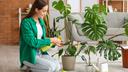
Guide to Monstera Care: Everything You Need to Know About This Popular Houseplant
Translated from Croatian, summarized and contextualized by DistantNews.
At a glance
In-depth
Sources not specified
Context piece
- The Monstera deliciosa is a popular and relatively easy-to-care-for houseplant.
- It thrives in bright light, moderate watering, and benefits from support for its climbing growth.
- Proper care, including light, water, and humidity, ensures the plant develops its characteristic split leaves.
The Monstera deliciosa, a classic among houseplants, is a must-have for enthusiasts seeking simple yet rewarding plants. This species, renowned for its large, distinctively split leaves, can adorn a home for years with minimal attention. It thrives with adequate light, moderate watering, and a suitable support structure for its growth.
Originating from Mexico and Central America, the Monstera deliciosa is easily recognizable by the natural openings in its leaves. While the classic green variety is popular, variations like the white-and-green variegated 'Thai Constellation' and 'Monstera adansonii,' with its numerous leaf holes, are gaining traction. Despite their visual differences, their care requirements remain similar, making them well-suited for indoor environments.
In its natural habitat, the monstera climbs trees using aerial roots for support and moisture absorption. Replicating this indoors involves providing a bright location away from intense direct summer sun. Insufficient light can hinder the development of the characteristic leaf splits and slow growth. Watering should occur only when the topsoil dries out, and increased humidity is also beneficial.
As a climbing plant, it benefits from a moss pole or other support to which its stem can be attached, promoting larger leaf development. Aerial roots should not be removed, as they aid growth and moisture uptake; they can be directed into the soil or towards the support. If the roots fill the pot or emerge from drainage holes, it is time for repotting into a larger container. During spring and summer, feeding with a liquid fertilizer every two weeks is sufficient, with feeding generally unnecessary in fall and winter. Regularly wiping the leaves removes dust, aiding light absorption and maintaining the plant's lush appearance.
DistantNews Editorial
Originally published by Večernji List in Croatian. Translated, summarized, and contextualized by our editorial team with added local perspective. Read our editorial standards.
More Stories

From Our Blog

What Gets Lost (and Found) When News Is Translated

The Critical Role of Diaspora Media in Global News

What Travellers Should Know About Countries with Restricted Press

A Digital Nomad's Guide to Following Local News

How the Same Story Looks Different in Different Countries
