


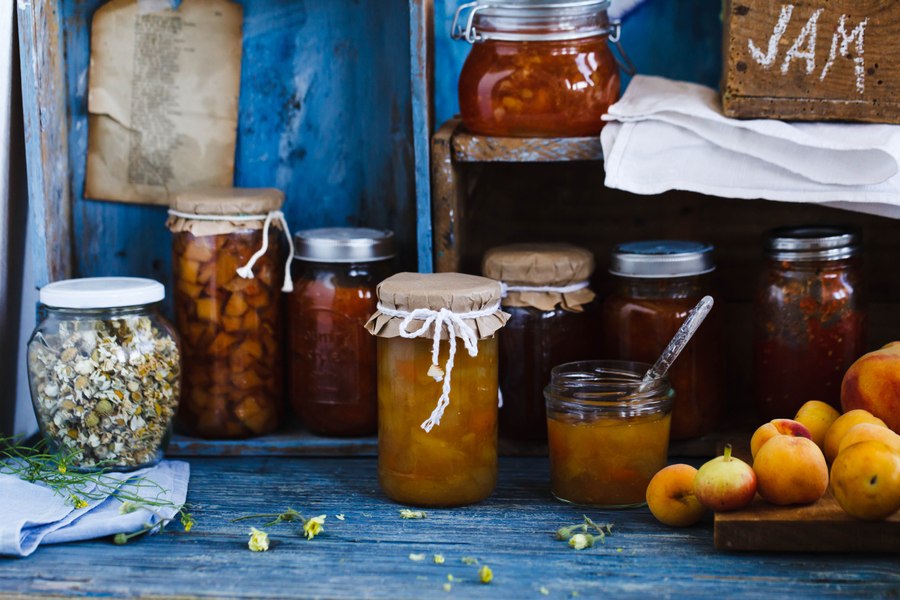
Guide to safe home canning: How to avoid mistakes that can cause botulism
Translated from Romanian, summarized and contextualized by DistantNews.
At a glance
News
Sources not specified
Context piece
- Home canning during summer requires strict adherence to safety rules to prevent health risks like botulism.
- Improper sterilization and storage of low-acidity foods in airtight containers can allow dangerous bacteria, including Clostridium botulinum, to grow.
- Common mistakes include altering recipes by reducing salt, sugar, or vinegar, and using unverified preservation methods, which can create favorable conditions for bacterial growth.
Summer is the prime season for home canning, with many preserving everything from vegetable spreads and tomato paste to pickles and winter vegetables. However, improperly sealed jars stored in pantries can pose significant health risks, particularly the danger of botulism.
Essential steps for safe home canning include correct sterilization, using verified recipes, and maintaining appropriate storage conditions. These measures are crucial to prevent the development of hazardous bacteria, most notably Clostridium botulinum, the agent responsible for botulism. This toxin affects the nervous system and can cause severe illness, according to the World Health Organization.
The risk is highest when low-acidity foods are preserved in airtight containers without sufficient sterilization. Clostridium botulinum thrives in oxygen-poor, moist environments at suitable temperatures. Foods like certain vegetables, meats, and fish are considered higher risk, whereas acidic foods such as most fruits or properly prepared pickled items offer a less hospitable environment for the bacteria.
Crucially, a contaminated jar may not always show signs of spoilage; the botulinum toxin does not necessarily alter the food's smell, taste, or appearance. Therefore, tasting a suspect product to check for spoilage is strongly discouraged.
Common errors that increase risk involve altering traditional recipes without understanding the role of ingredients like salt, sugar, and vinegar, which contribute to preservation. Reducing these can shift the jar's internal conditions, favoring microbial growth. Similarly, haphazard preservation methods that ignore proper preparation times and temperatures heighten the danger. The CDC advises using tested recipes and avoiding improvisation, especially for items stored at room temperature for extended periods.
Canned goods stored in oil require special attention. While oil can limit air contact, it is not a sufficient preservation method on its own. Preparations like zacusca, or vegetables and mushrooms preserved in oil, must be handled using safe methods. Insufficient acidification or sterilization, combined with an anaerobic environment in the jar, can create ideal conditions for Clostridium botulinum.
DistantNews Editorial
Originally published by Adevărul in Romanian. Translated, summarized, and contextualized by our editorial team with added local perspective. Read our editorial standards.
More Stories


From Our Blog

What Gets Lost (and Found) When News Is Translated

The Critical Role of Diaspora Media in Global News

What Travellers Should Know About Countries with Restricted Press

A Digital Nomad's Guide to Following Local News

How the Same Story Looks Different in Different Countries
