

Guinea-Bissau’s constitutional reform: Is a presidential system a cure-all?
Translated from French and summarized by DistantNews. Read the original for the full story.
At a glance
Opinion
Sources not specified
Ongoing story
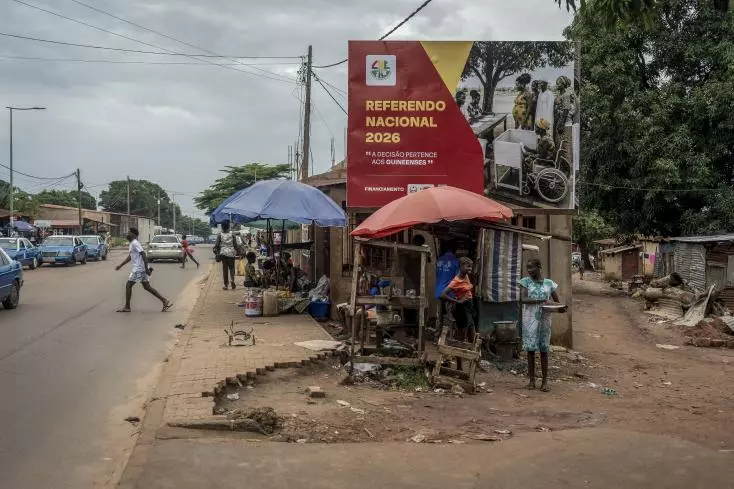
- Guinea-Bissau held a referendum on replacing its semi-parliamentary system with a stronger presidential regime.
- Supporters say the change could end recurring institutional crises, while the opposition calls it an attempt to legitimize a government that came to power through arms.
- The commentary argues that constitutional changes alone cannot address power personalization, electoral disputes, institutional manipulation and weak checks and balances.
Guinea-Bissau has put a constitutional overhaul to voters, but the central uncertainty lies less in the proposed presidential system than in how many people will participate.
The reform would replace the current semi-parliamentary arrangement, which critics blame for repeated clashes at the top of the state. Supporters present a strong presidency as a remedy for chronic instability. The opposition, or what remains of it, has called for a boycott, arguing that the proposal would legitimize a power structure that came to office through force rather than cure the country’s institutional illness.
The existing system has often placed the president and prime minister in competition, with incompatible ambitions producing an enduring struggle over authority. The commentary compares it to a vehicle with two steering wheels, driven by people looking in different directions. Yet it argues that the deeper problem may not lie in the constitutional structure itself, but with those controlling it.
Changing the constitution and strengthening the executive would not automatically resolve personalized rule, institutional manipulation, contested election results or rivalries among political clans. A presidential system can provide clarity and stability where the rule of law and checks on power are strong. Where those safeguards are weak, it can instead leave the president with near-exclusive control of the state.
The piece therefore calls for reforms that extend beyond the constitution, including political, electoral, judicial and cultural changes. It says political actors must learn to accept electoral defeat, govern without seeking total control and oppose without blocking everything. A constitution can separate powers, but it cannot force leaders to surrender power or create democrats. The stated challenge is to build institutions strong enough to withstand political misconduct without bringing down the republic.
About this summary
Originally published by Le Pays in French. Translated, summarized, and contextualized automatically by DistantNews, with a note on how the source frames the story. Not individually reviewed before publishing. How this works.
More Stories
From Our Blog

What Gets Lost (and Found) When News Is Translated

The Critical Role of Diaspora Media in Global News

What Travellers Should Know About Countries with Restricted Press

A Digital Nomad's Guide to Following Local News

How the Same Story Looks Different in Different Countries
