


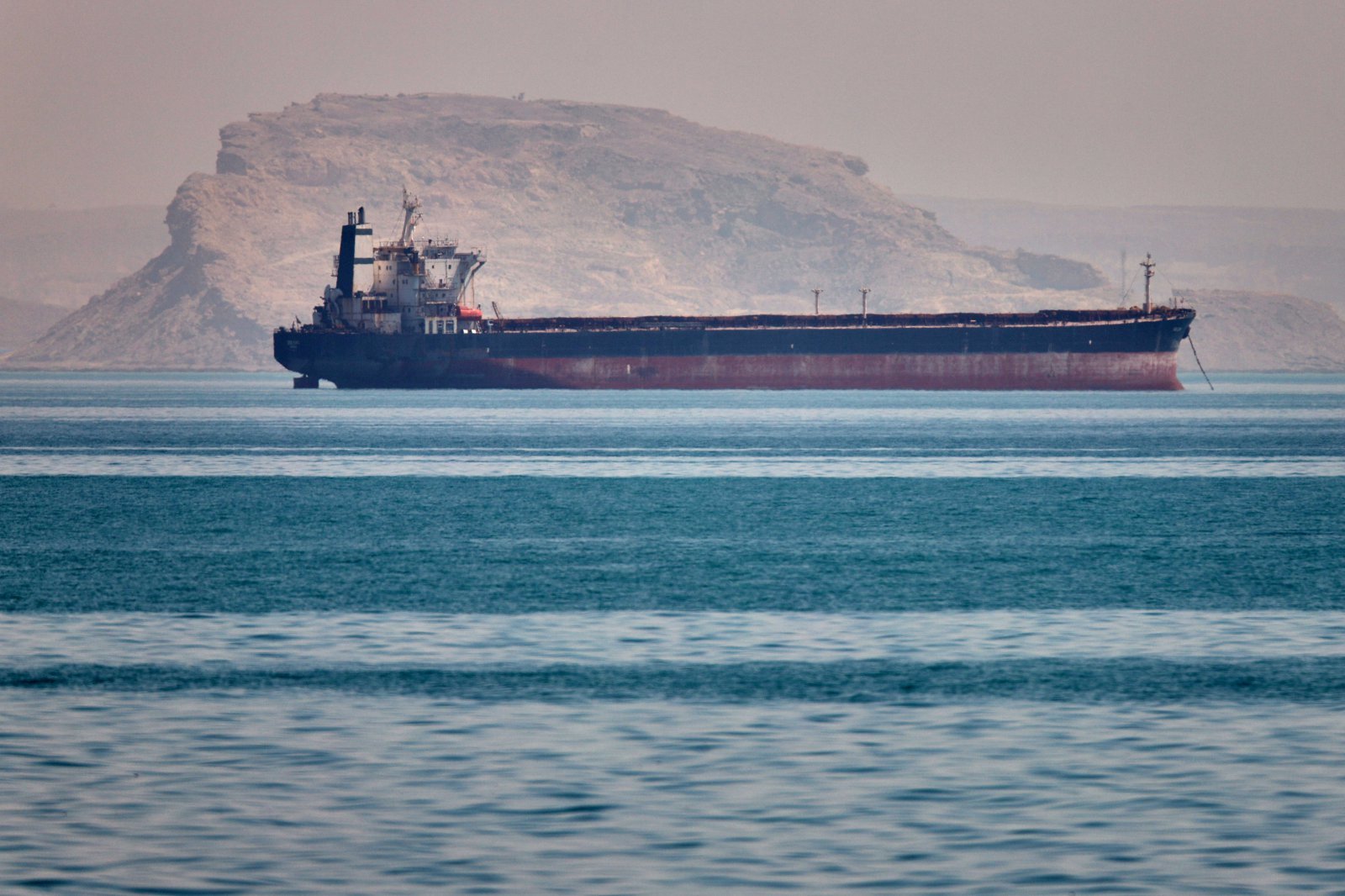
Gulf Nations Expand Oil Export Routes to Bypass Strait of Hormuz Amid Tensions
Translated from Korean, summarized and contextualized by DistantNews.
At a glance
News
Sources not specified
Context piece
- Gulf oil-producing nations are accelerating the development of alternative export routes, including pipelines and railways, to bypass the Strait of Hormuz.
- This move comes amid heightened military tensions in the Middle East, which have raised concerns about the potential closure of the vital waterway, through which about one-fifth of global crude oil passes.
- Countries like Saudi Arabia and the UAE are investing billions in expanding pipeline capacity and exploring new infrastructure to ensure energy security and diversify their export logistics.
Gulf oil-producing nations are rapidly expanding alternative export routes, investing billions of dollars in pipelines, railways, and storage facilities to circumvent the Strait of Hormuz. This strategic shift is driven by escalating military tensions in the Middle East, which have intensified fears that the crucial waterway, a chokepoint for approximately one-fifth of global crude oil, could be disrupted.
The legacy of this crisis will be the construction of infrastructure bypassing the Strait of Hormuz.
The initiative involves a significant reshaping of the region's energy logistics. Countries such as Saudi Arabia and the United Arab Emirates (UAE) are not only focusing on pipelines but also on enhancing rail transport, truck routes, and new port facilities. This diversification aims to reduce reliance on maritime transport alone, creating a more resilient export network.
The fact that too much of the world's energy still passes through too small a passage has been revealed.
Saudi Arabia is maximizing the capacity of its East-West pipeline, which runs from its eastern oil fields to the Red Sea port of Yanbu. The pipeline's throughput has increased significantly, reflecting a strategic move to bypass potential threats in the Persian Gulf. The UAE is also rerouting some of its crude oil exports to Fujairah, located outside the Strait of Hormuz, and is advancing plans for a second pipeline to the same port, which would double its export capacity upon completion.
Energy security is no longer just about whether we can continue to produce, but about export routes, accessibility, storage capacity, and emergency bypass routes.
Analysts suggest that the development of these alternative routes will diminish the leverage Iran holds by threatening to close the Strait of Hormuz. By creating multiple viable export options, the impact of any potential blockade would be lessened, potentially isolating Iran further if it were to attempt such a move. The investment in these bypass routes is seen as a long-term strategy to ensure energy security and stability in the region, regardless of geopolitical developments.
If bypass routes are created, the effect of using the Strait of Hormuz as a weapon will also weaken.
DistantNews Editorial
Originally published by Dong-A Ilbo in Korean. Translated, summarized, and contextualized by our editorial team with added local perspective. Read our editorial standards.
More Stories


From Our Blog

What Gets Lost (and Found) When News Is Translated

The Critical Role of Diaspora Media in Global News

What Travellers Should Know About Countries with Restricted Press

A Digital Nomad's Guide to Following Local News

How the Same Story Looks Different in Different Countries
