

Gulf War Uncertainty Likely to Keep Pakistan's Policy Rate Unchanged
Translated from English, summarized and contextualized by DistantNews.
At a glance
News
Named sources
Context piece
- Pakistan's State Bank is expected to keep its policy interest rate unchanged at 11.5% due to regional uncertainty and high global oil prices.
- The Gulf war has pushed oil prices above $100 per barrel, impacting Pakistan's economy and inflationary pressures.
- The central bank is prioritizing macroeconomic stability over growth, with banks showing reluctance to increase private-sector lending.
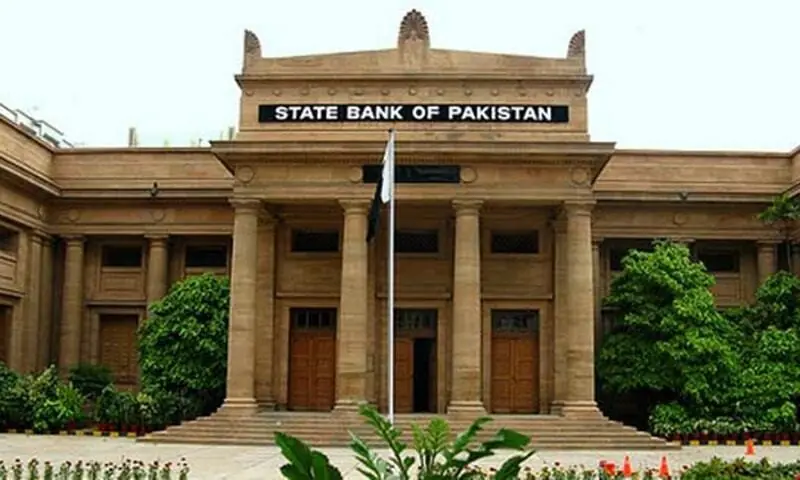
Pakistan's State Bank is widely anticipated to maintain its current policy interest rate of 11.5% at its upcoming monetary policy meeting on Monday, July 27. This decision is largely attributed to the heightened uncertainty stemming from the ongoing Gulf war and its subsequent impact on global oil prices.
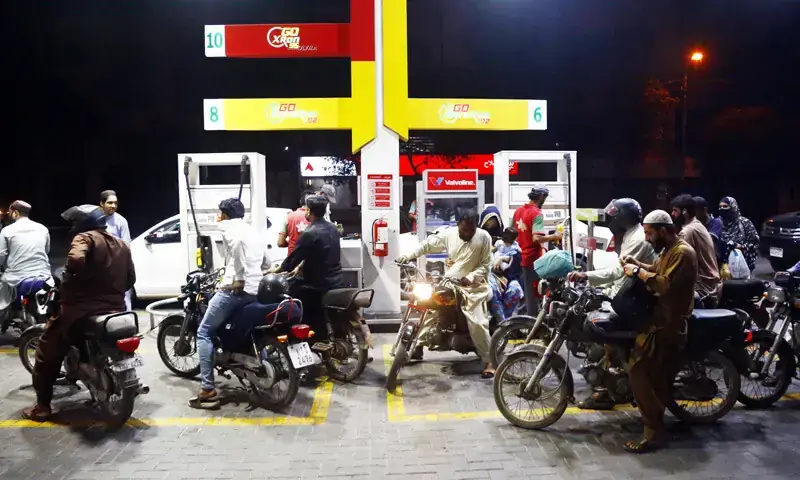
Analysts note that the conflict has driven international oil prices above $100 per barrel, creating significant inflationary pressures worldwide, including in Pakistan. While the government and the State Bank aim to keep average consumer price index (CPI) inflation within the 7-8% range for fiscal year 2027, achieving this target is seen as dependent on regional developments. The central bank's priority appears to be maintaining macroeconomic stability, even at the cost of slower economic growth.
This focus on stability is reflected in the State Bank's recent monetary policy actions. After a 50 basis point reduction to 10.5% in December 2025, the rate was increased by 100 basis points to 11.5% in April 2026. Since then, the rate has remained unchanged despite calls from industrial sectors for a reduction. The central bank has refrained from adopting a more pro-growth stance by lowering interest rates, which could encourage greater liquidity for the private sector.
Furthermore, banks have shown a preference for investing in government securities over increasing private-sector lending. During fiscal year 2026, banks invested Rs5.9 trillion in government papers, while the private sector received only Rs1.4 trillion, primarily for short-term working capital. Experts believe there is little likelihood of either a rate cut or an increase, as lower rates could fuel inflation, while a hike would further dampen economic growth. The World Bank projects Pakistan's economic growth below 4% for FY27, contrasting with the government's target of over 4%. The evolving regional situation, particularly the course of the Gulf conflict, will significantly shape Pakistan's economic outlook, making an unchanged policy rate the most probable outcome.
DistantNews Editorial
Originally published by Dawn in English. Translated, summarized, and contextualized by our editorial team with added local perspective. Read our editorial standards.
More Stories


From Our Blog

What Gets Lost (and Found) When News Is Translated

The Critical Role of Diaspora Media in Global News

What Travellers Should Know About Countries with Restricted Press

A Digital Nomad's Guide to Following Local News

How the Same Story Looks Different in Different Countries
