



‘Gurdwara is empty’: Sikhs scared to leave homes after Vickrum Digwa jailed for murder
Translated from English, summarized and contextualized by DistantNews.
At a glance
News
Named sources
Outcome reported
- Sikhs in Southampton, England, report feeling fearful and are avoiding public spaces, including gurdwaras, following the sentencing of Vickrum Singh Digwa for murder.
- Community leaders warn of increased racial abuse and intimidation, with incidents reported at workplaces and supermarkets.
- Tensions have been heightened by public discourse linking the murder to Sikh identity, particularly the kirpan, despite Digwa's claim of racial provocation being rejected in court.
The Sikh community in Southampton is living in fear, with many reluctant to leave their homes or visit places of worship after a Sikh man was jailed for murder. Community leaders are raising alarms about a rise in racial abuse and intimidation across the city.
We are feeling victimised and people are scared to come out of their house. The gurdwara is empty as people won’t walk here.
Leaders told The Times that the atmosphere has become so tense that some Sikhs are afraid to walk to their gurdwaras or allow elderly relatives to go out alone. Reports indicate an increase in abusive incidents in workplaces and public areas. A planned memorial event for a prominent Sikh community figure was even canceled due to safety concerns.
A spokesperson for Gurdwara Khalsa Darbar described the situation as one where people feel targeted. "We are feeling victimised and people are scared to come out of their house. The gurdwara is empty as people won’t walk here," the spokesperson stated, detailing incidents of racial slurs at a cruise terminal and derogatory remarks in a supermarket. Another individual faced refusal of care from a patient because they wore a turban.
This far-right movement has actually filled everybody with hatred to the Sikhs, at no fault of our own.
Community representatives believe that public discussions surrounding the murder case, particularly involving far-right elements and media coverage, have fueled hatred towards Sikhs. They argue that an isolated incident is unfairly tarnishing the reputation of the entire community, especially Sikh men who wear turbans and carry kirpans. The intense focus on the kirpan, a Sikh ceremonial dagger, has been particularly distressing, as the community states there were no prior issues related to it.
But the politicians and social media and the news, it’s all been Sikh, Sikh, Sikh and it’s just gone against the Sikhs.
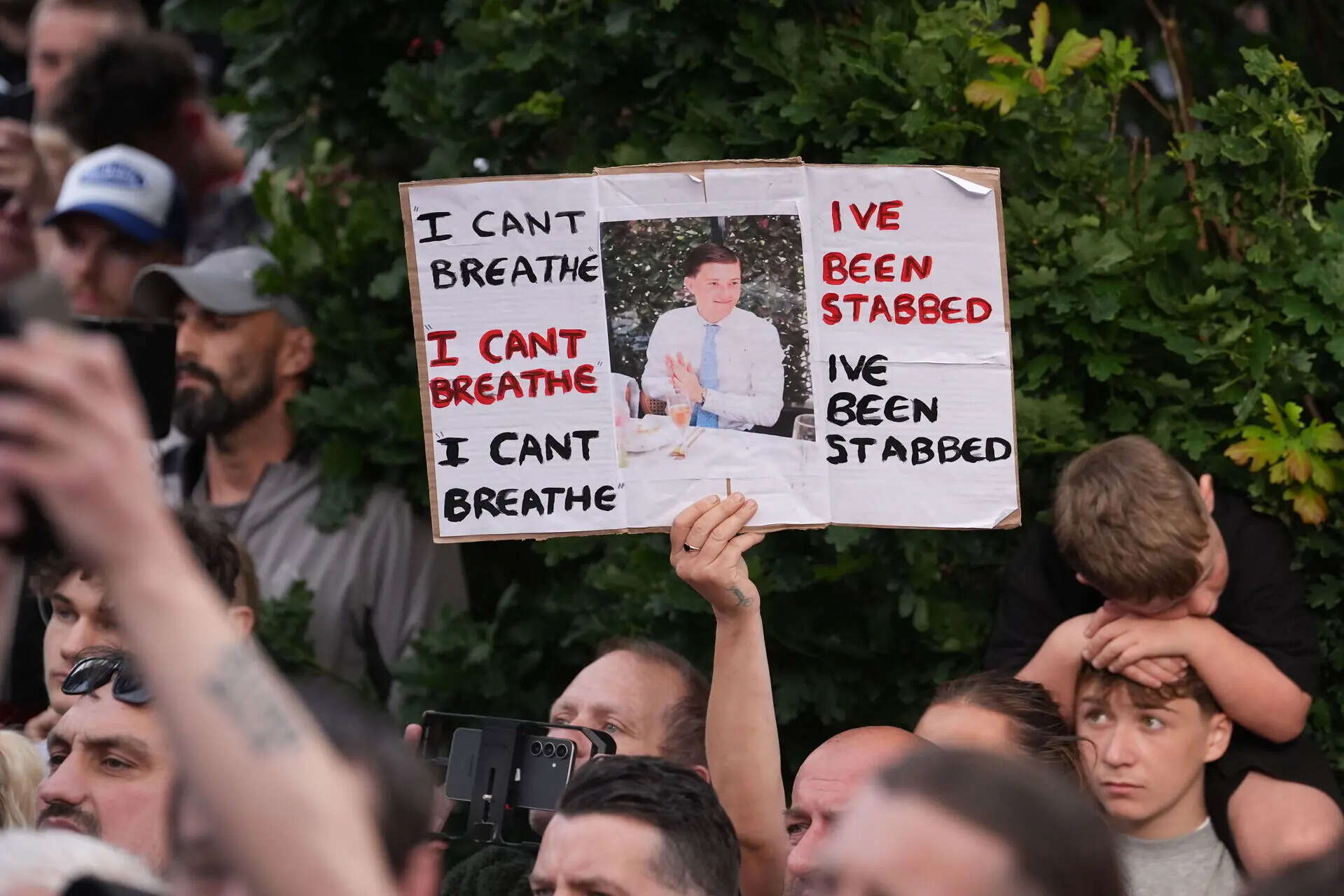
The fears stem from the sentencing of 23-year-old Vickrum Digwa to life imprisonment for the murder of 18-year-old Henry Nowak. Digwa stabbed Nowak with a kirpan during an altercation. Digwa's claim that Nowak had racially attacked him was dismissed by the court. The aftermath of the killing saw riots break out in Southampton following an anti-police protest involving far-right figures, resulting in injuries to police officers and arrests. Disturbing bodycam footage also emerged showing Nowak being handcuffed and questioned by police despite repeatedly stating he had been stabbed and was struggling to breathe, later dying from blood loss.
It was not the kirpan that did it; it was the person
DistantNews Editorial
Originally published by Times of India in English. Translated, summarized, and contextualized by our editorial team with added local perspective. Read our editorial standards.
More Stories


From Our Blog

What Press Freedom Means for the News You Read

What Gets Lost (and Found) When News Is Translated

The Critical Role of Diaspora Media in Global News

What Travellers Should Know About Countries with Restricted Press

A Digital Nomad's Guide to Following Local News
