


Gyeonggi transition committee flags severe fiscal crisis, seeks 'grant-receiving' status
Translated from Korean, summarized and contextualized by DistantNews.
At a glance
News
Sources not specified
Context piece
- The Gyeonggi Provincial Government's transition committee has officially launched, outlining plans to address a severe fiscal crisis caused by a real estate downturn.
- The committee declared a strategy of 'selection and concentration' for limited resources, prioritizing the quality of innovation over budget size.
- The transition team also confirmed a request to the central government to reclassify Gyeonggi as a 'grant-receiving entity' to receive national fiscal support.
The transition committee for the newly elected Gyeonggi Province governor has officially launched, presenting a blueprint for the upcoming administration that confronts a severe fiscal crisis.
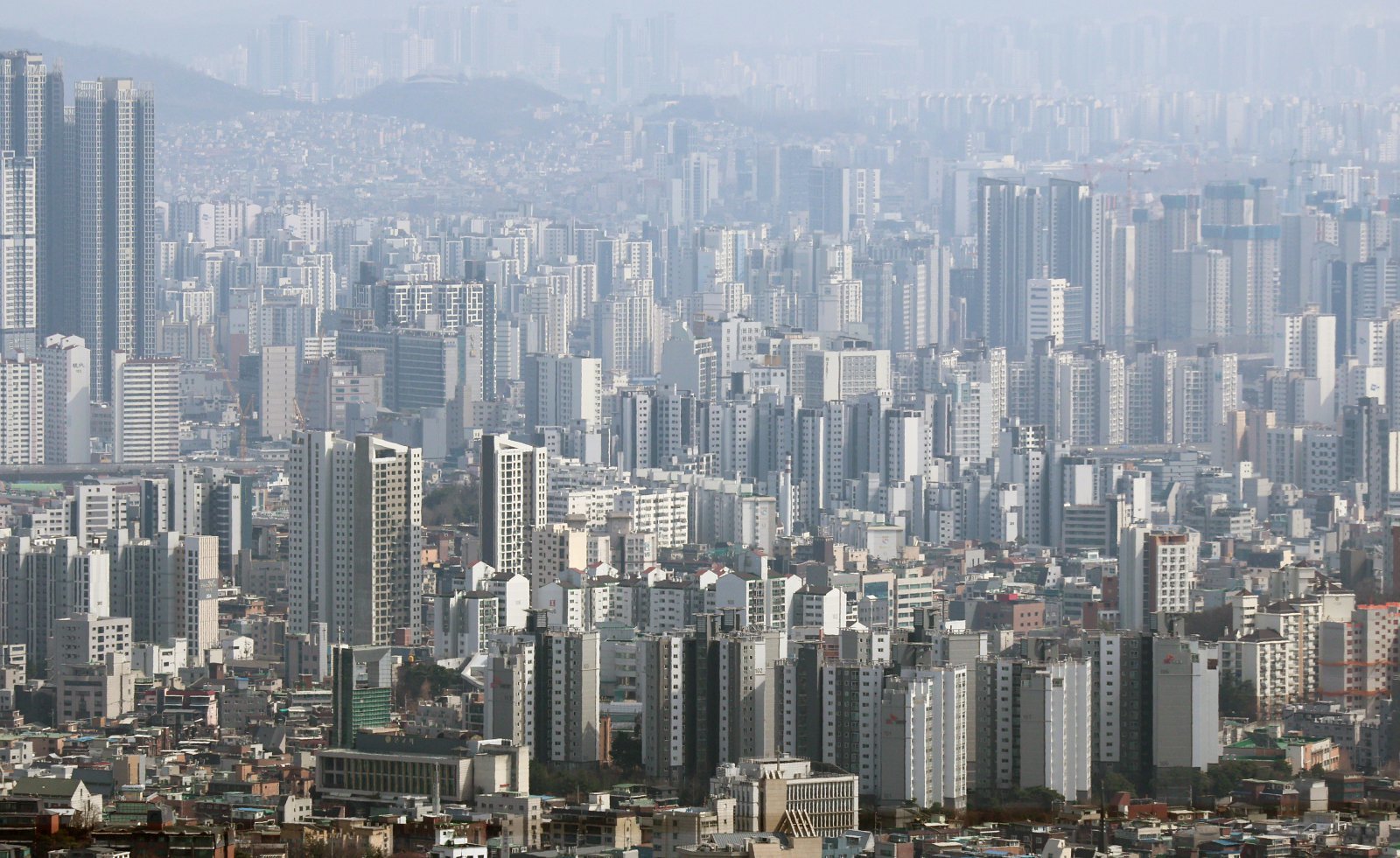
Kim Tae-nyeon, the committee chairman, stated that Gyeonggi's financial situation is more challenging than anticipated. He attributed the crisis to a sharp decline in acquisition and registration taxes, which form nearly half of the province's revenue, due to the real estate market slump.
The current Gyeonggi financial situation is much tougher than expected.
In response, the committee announced a strategy of "selection and concentration" to efficiently manage limited financial resources. Kim emphasized that the new provincial administration will focus on the 'quality of budget execution' rather than its sheer size. Plans include clearly distinguishing between short-term and mid-to-long-term projects and creating a sustainable policy structure through a balance of existing and new initiatives.
We will compete based on the quality of the budget, not its size.
Notably, the committee confirmed that the governor-elect has requested the central government to reclassify Gyeonggi Province as a 'grant-receiving entity.' Currently, Gyeonggi is classified as a 'non-grant-receiving entity' due to its high financial self-sufficiency, preventing it from directly benefiting from increased national fiscal support through supplementary budgets. Kim acknowledged that this request might be difficult for the central government to approve, considering the equity among the 17 metropolitan local governments, signaling potential fiscal negotiations ahead.
The committee also addressed the sensitive issue of semiconductor policy, advocating for a pragmatic approach. While supporting increased investment in non-metropolitan areas for balanced national development, Kim argued that existing clusters in Yongin, Pyeongtaek, and Icheon should be designated as special zones due to the speed and ecosystem required for the semiconductor industry. Furthermore, the committee plans to establish institutional mechanisms for citizen participation and expand opportunities for public input during the transition process.
We believe it is outrageous that in this day and age, anyone would seek to deny British Jews the right to purchase property anywhere in the world, whether in Paris, New York, or Israel.
DistantNews Editorial
Originally published by Hankyoreh in Korean. Translated, summarized, and contextualized by our editorial team with added local perspective. Read our editorial standards.
More Stories


From Our Blog

What Gets Lost (and Found) When News Is Translated

The Critical Role of Diaspora Media in Global News

What Travellers Should Know About Countries with Restricted Press

A Digital Nomad's Guide to Following Local News

How the Same Story Looks Different in Different Countries
