


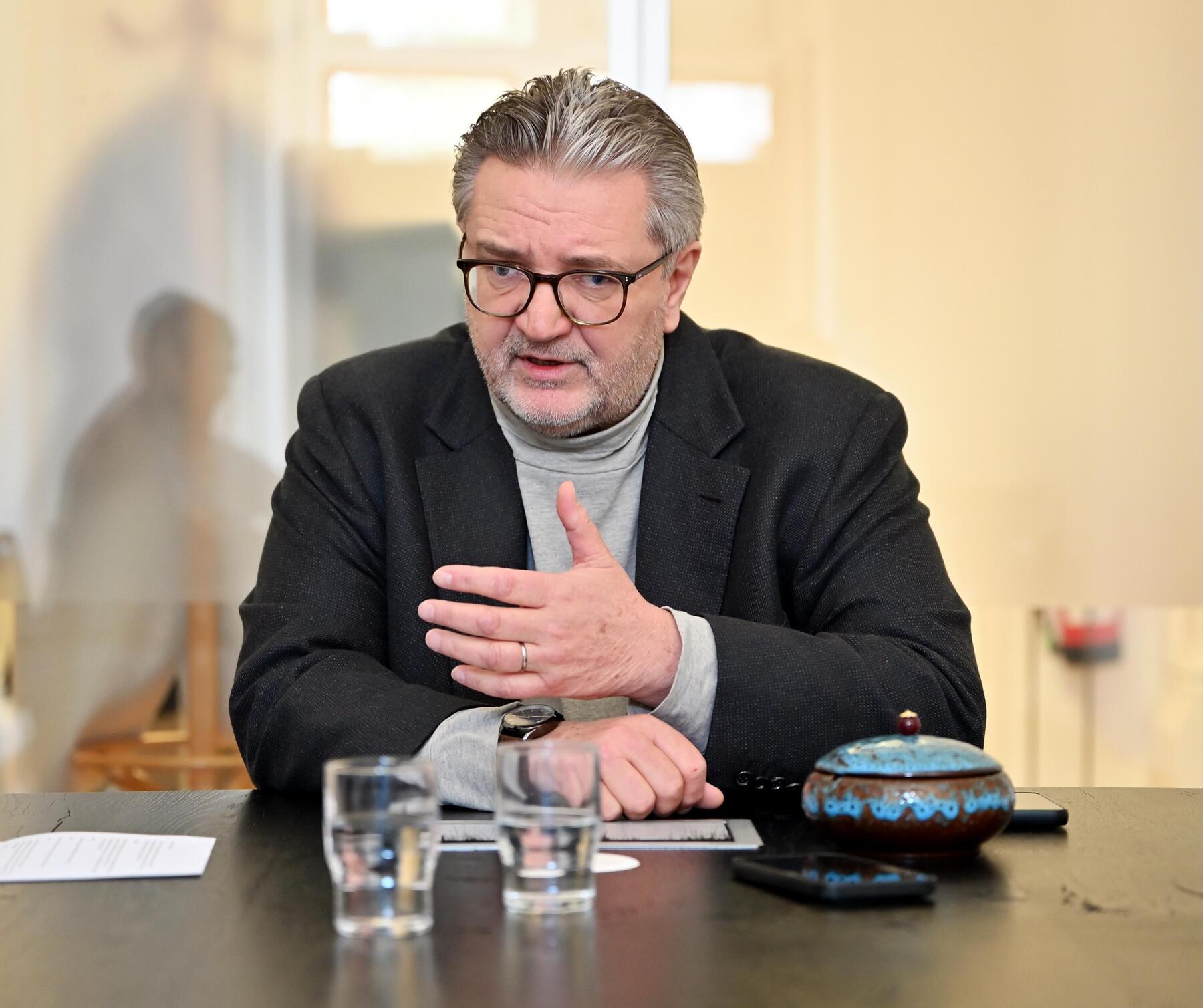
Hacker Clarifies Statements on Social Aid Cuts for Syrians
Translated from German, summarized and contextualized by DistantNews.
At a glance
News
Sources not specified
Context piece
- Vienna's social affairs councilor Peter Hacker clarifies his statements regarding subsidiary protection beneficiaries losing minimum income support.
- Hacker states he was misquoted, emphasizing that the state does not have absolute control over citizens' employment status.
- He explains that while some may increase working hours, not all who lose social aid automatically find jobs, and many beneficiaries are not of working age.
Vienna's social affairs councilor, Peter Hacker, has addressed what he describes as misrepresentations of his comments concerning the cessation of minimum income support for individuals with subsidiary protection status. Hacker asserts that his statements were taken out of context and that the narrative suggesting automatic employment for all affected individuals is inaccurate.
I was quoted incorrectly, I live with that every day.
"I was quoted incorrectly, I live with that every day," Hacker stated, explaining that the state lacks the comprehensive oversight to track every citizen's employment activities. He clarified that when someone stops applying for minimum income support, it does not automatically mean they have found employment. "We only know that they no longer submitted an application," he said, adding that even if someone informs the Public Employment Service (AMS) they no longer need assistance, it doesn't confirm they are working.
Hacker emphasized that Austria does not operate as a "total control state" and that it is beneficial that the government does not exercise absolute control over the population. He acknowledged that the city does not have a complete overview of how the thousands of subsidiary protection beneficiaries are managing since losing their social benefits. "We have a system in which people have certain rights, which they can claim, but do not have to," he explained.
We only know that they no longer submitted an application.
He further elaborated that the assumption that all subsidiary protection beneficiaries no longer registered with social welfare are now employed is false. Similarly, he noted, not everyone without a job is registered as unemployed. Hacker clarified his earlier remarks, stating he had said that many subsidiary protection beneficiaries engage in minor employment, and it wasn't surprising that some increased their working hours after losing social aid. However, he stressed that a significant portion of these beneficiaries are not of working age or in a situation to work, referring to the elderly and children. The more critical question, he argued, is why Austria lacks a European Union law-compliant system for securing subsidiary protection beneficiaries, as stipulated by the GEAS directive.
The more important question is: why is there no European Union law-compliant system in Austria for the security of subsidiary protection beneficiaries, as provided for by the GEAS directive?
DistantNews Editorial
Originally published by Die Presse in German. Translated, summarized, and contextualized by our editorial team with added local perspective. Read our editorial standards.
More Stories

From Our Blog

What Gets Lost (and Found) When News Is Translated

The Critical Role of Diaspora Media in Global News

What Travellers Should Know About Countries with Restricted Press

A Digital Nomad's Guide to Following Local News

How the Same Story Looks Different in Different Countries
