

Hair loss risk goes up on GLP-1 drugs, BMJ study finds
Summarized and contextualized by DistantNews.
At a glance
News
Named sources
New plan
- A BMJ study suggests GLP-1 medications for Type 2 diabetes are linked to a higher risk of hair loss, though the overall risk is small.
- The observational study of over 50,000 patients found a 37% higher risk of alopecia compared to SGLT-2 inhibitors and 68% higher than DPP-4 inhibitors.
- Experts believe rapid weight loss induced by the drugs, rather than the drugs themselves, may cause temporary hair loss.
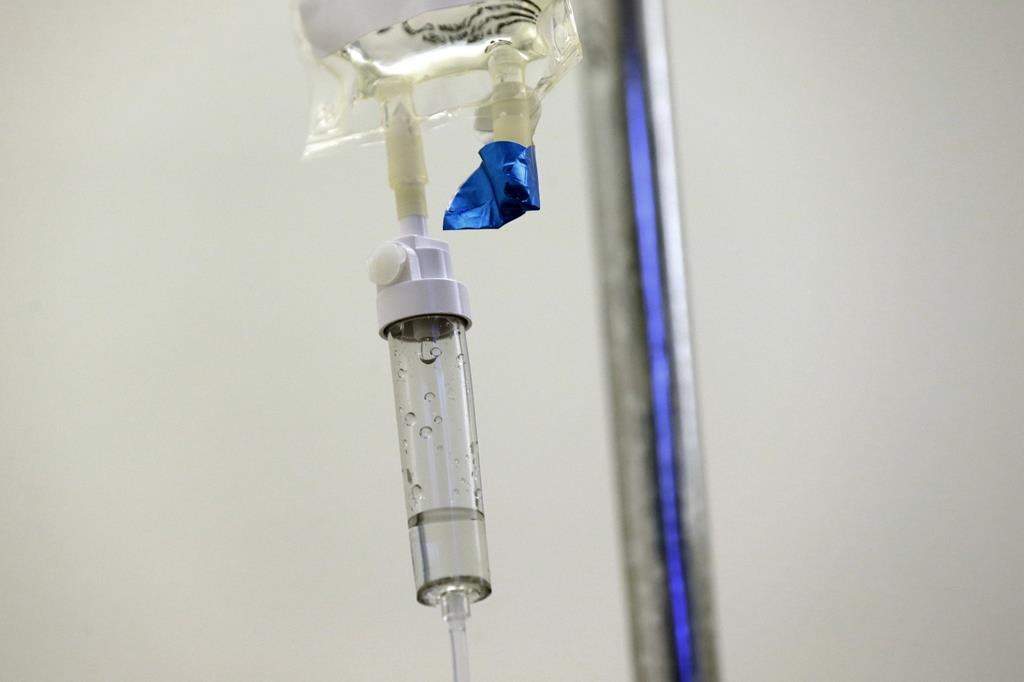
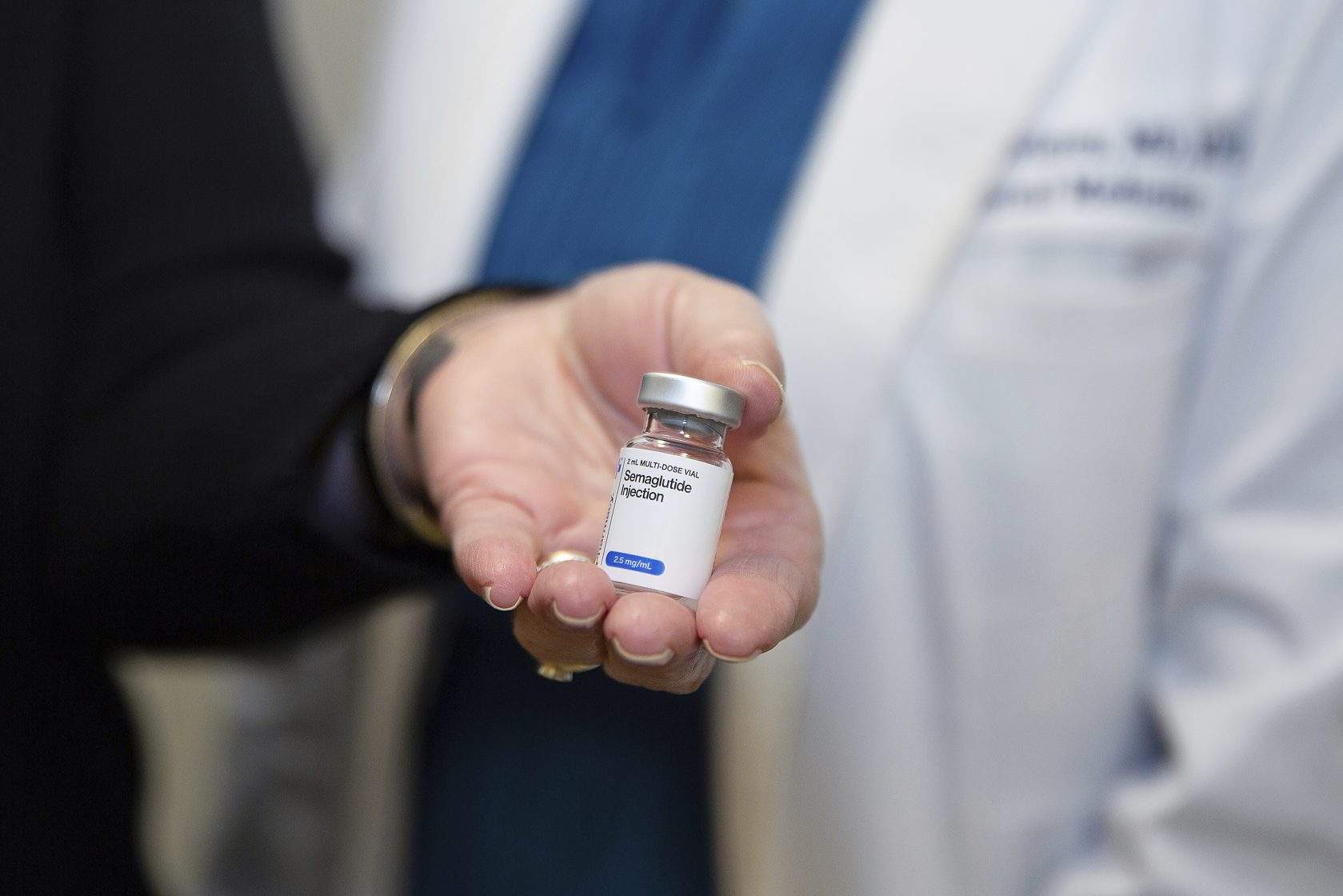
A recent BMJ study indicates a potential link between GLP-1 medications and an increased risk of hair loss among patients with Type 2 diabetes. While the study highlights a higher risk of alopecia compared to other diabetes drugs, researchers emphasize that the overall incidence remains small.
Although the absolute risk was small, awareness of this potential effect may support informed, patient centred treatment decisions
The observational study analyzed data from over 50,000 individuals with Type 2 diabetes. It found that GLP-1 receptor stimulant users experienced a 37% greater risk of hair loss compared to those on SGLT-2 inhibitors and a 68% higher risk than users of DPP-4 inhibitors. The study also noted a connection to "non-scarring alopecia" in GLP-1 drug users.
Anything that will lead to a rapid weight loss will be associated with temporary hair loss
Despite the elevated risk percentages, the actual rates of alopecia were low, ranging from approximately three to nine cases per 1,000 people annually. Dr. Elena Netchiporouk, regional director for the Canadian Dermatology Association, explained that rapid weight loss, often a side effect of these medications, is a common cause of temporary hair loss. "Anything that will lead to a rapid weight loss will be associated with temporary hair loss," she stated.
If the weight loss is too rapid, the body feels that there’s something happening, it’s in stress. So, the nail[s] and the hair are not the body’s priority in moments of stress, so there will be this temporary arrest in the growth of hair
Netchiporouk further clarified that the hair loss is likely a stress response from the body due to swift weight reduction. "If the weight loss is too rapid, the body feels that there’s something happening, it’s in stress. So, the nail[s] and the hair are not the body’s priority in moments of stress, so there will be this temporary arrest in the growth of hair," she said. This shedding typically begins about three months after starting the medication and can last for roughly six months, with hair regrowth expected as weight loss stabilizes. Gastrointestinal side effects associated with the drugs, such as nausea and vomiting, can also contribute to reduced food intake and potentially hair loss.
Usually three months after starting [a] GLP[-1 drug] and rapidly losing weight, there will be a shedding of hair that can probably last about six months, usually. And then as the weight loss stabilizes, it’s not more drastic hair loss, all the hair will grow. There’s no dangerous hair loss that is associated with GLP [-1 drugs.]
DistantNews Editorial
Originally published by Global News. Summarized and contextualized by our editorial team with added local perspective. Read our editorial standards.
More Stories

From Our Blog

What Gets Lost (and Found) When News Is Translated

The Critical Role of Diaspora Media in Global News

What Travellers Should Know About Countries with Restricted Press

A Digital Nomad's Guide to Following Local News

How the Same Story Looks Different in Different Countries
