

Hamburg Spent 160 Million Euros on Refugee Hotel Stays Last Year
Translated from German, summarized and contextualized by DistantNews.
TLDR
- Hamburg spent approximately 160 million euros on accommodating refugees in hotels last year.
- This cost represents a decrease of nearly 30 million euros compared to the previous year.
- The city has utilized hotels for refugee accommodation since early 2022, with total expenses reaching nearly 600 million euros since then.
Hamburg's significant expenditure on housing refugees in hotels has once again become a focal point of public and political debate. The city allocated roughly 160 million euros for this purpose in the past year, a figure that, while substantial, marks a reduction of nearly 30 million euros compared to 2024. This data, revealed in a response from the Senate to a query by the AfD parliamentary group, highlights the ongoing financial commitment the city is making to address the needs of asylum seekers.
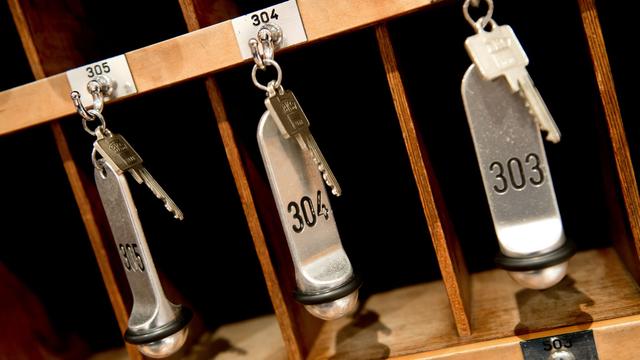
For the accommodation of asylum seekers in hotels, the city of Hamburg spent around 160 million euros last year.
The practice of using hotels for refugee accommodation began in Hamburg in late February 2022, a period marked by a surge in arrivals. Since then, the city has expanded its use of such facilities, leading to cumulative expenses nearing 600 million euros. While the Senate attributes the necessity of these measures to the "Russian war of aggression" and the resulting need to significantly expand accommodation capacities, critics like Thomas Reich, the AfD's budget spokesperson, argue that these "asylum expenses are causing ever-larger budget holes."
Compared to 2024, the costs have decreased by almost 30 million euros.
From Hamburg's perspective, this situation reflects the complex challenges of managing migration flows in a major European city. The Senate emphasizes its goal of finding alternative, more permanent housing solutions for asylum seekers, indicating that hotel stays are viewed as a temporary, albeit costly, necessity. The debate in Germany, and particularly in a city like Hamburg which often serves as a primary point of arrival, is multifaceted, balancing humanitarian obligations with fiscal responsibility. The AfD's questioning underscores a segment of the population concerned about the financial burden, while the Senate's response points to external geopolitical factors driving the need for these accommodations. This ongoing discussion is crucial for understanding the socio-economic pressures and policy responses within Germany.
The Senate stated that the city first used a hotel for refugee accommodation at the end of February 2022.
DistantNews Editorial
Originally published by Die Zeit in German. Translated, summarized, and contextualized by our editorial team with added local perspective. Read our editorial standards.
More Stories


From Our Blog

What Gets Lost (and Found) When News Is Translated

How the Same Story Looks Different in Different Countries

The Critical Role of Diaspora Media in Global News

What Travellers Should Know About Countries with Restricted Press

A Digital Nomad's Guide to Following Local News
