

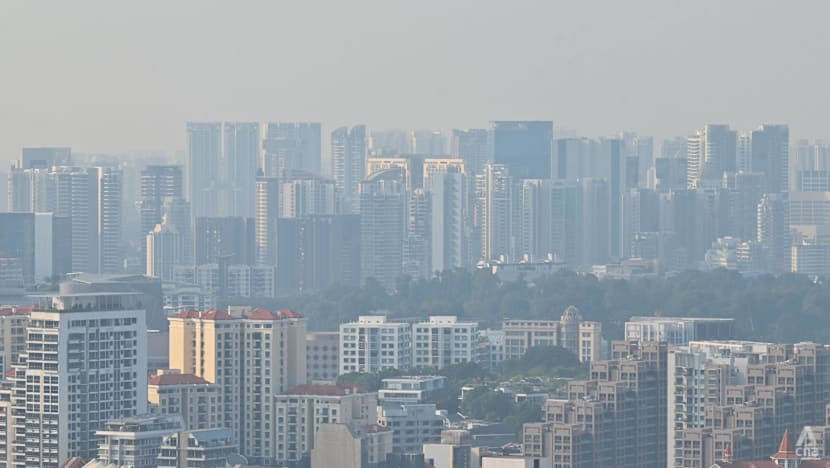

Hanoi hits the brakes on petrol bike ban
Summarized by DistantNews. Read the original for the full story.
At a glance
News
Named sources
Context piece
- Hanoi authorities have significantly scaled back a plan to ban petrol motorbikes in the city center due to opposition and implementation challenges.
- The original 2025 plan to ban bikes in a 26 sq km area has been reduced to a proposal covering only 11 streets (0.5 sq km) and potentially limited to weekend evenings.
- The decision highlights the difficulties in transitioning to electric vehicles, even in Vietnam, where motorbikes are a primary mode of transport and deeply ingrained in the culture.
Hanoi's ambitious plan to phase out petrol motorbikes, a move intended to combat severe air pollution, has been dramatically curtailed, underscoring the deep-seated reliance on two-wheeled transport in Vietnam. What began as a bold proposal to ban fossil-fuel-powered motorbikes from a significant 26-square-kilometer area of the historic center by 2025 has been whittled down to a mere shadow of its former self. The current proposal, if it materializes at all, would affect only 11 streets, covering a minuscule 0.5 square kilometers, and potentially only during specific times like Friday evenings and weekends.
This significant climb-down reflects a complex interplay of public opposition, logistical hurdles, and the sheer ubiquity of motorbikes in Hanoi. For millions of residents, motorbikes are not just a mode of transport; they are an essential part of daily life, used for commuting, family travel, and commerce. The vast majority of these vehicles run on petrol, contributing significantly to Hanoi's chronic air pollution, which frequently ranks among the world's worst. However, the transition to electric vehicles (EVs) faces considerable challenges, including rider skepticism about EV maintenance and risks, as well as delays in establishing adequate charging infrastructure.
I think almost everyone opposes the ban.
Analysts note that such reversals are not uncommon when government initiatives face widespread public resistance or threaten perceived legitimacy. The Vietnamese government, while generally authoritative, appears to have recognized the potential backlash from riders and the motorbike industry, which includes major players like Honda. While local EV manufacturer VinFast stands to benefit from a shift towards electric mobility, the market is still overwhelmingly dominated by traditional internal combustion engine bikes. The government's push for EVs, including potential subsidies, is ongoing, but the pace of change is proving slower than initially envisioned.
The situation in Hanoi serves as a potent case study in the difficulties of enacting sweeping environmental policy changes in societies where traditional modes of transport are deeply entrenched. While the goal of cleaner air is widely acknowledged, the practicalities of transitioning millions of people away from their primary, affordable mode of transport require more than just a top-down decree. It necessitates robust infrastructure, accessible and reliable alternatives, and a gradual shift in public perception and behavior, which clearly has not yet occurred to the extent required for the original ban.
It’s rare but it does happen. The government tends to back down when their legitimacy is threatened... and I think that is what drives the loosening of the petrol bike ban regulations.
About this summary
Originally published by The Straits Times. Summarized and contextualized automatically by DistantNews, with a note on how the source frames the story. Not individually reviewed before publishing. How this works.
More Stories


From Our Blog

News in Translation: What Gets Lost, and How We Keep the Framing

Diaspora Media: How Communities Abroad Follow Home

Traveling Where the Press Is Not Free: How to Read the News There

The Digital Nomad's Guide to Local News

The Same Story, Different Countries: How Coverage Changes at the Border
