


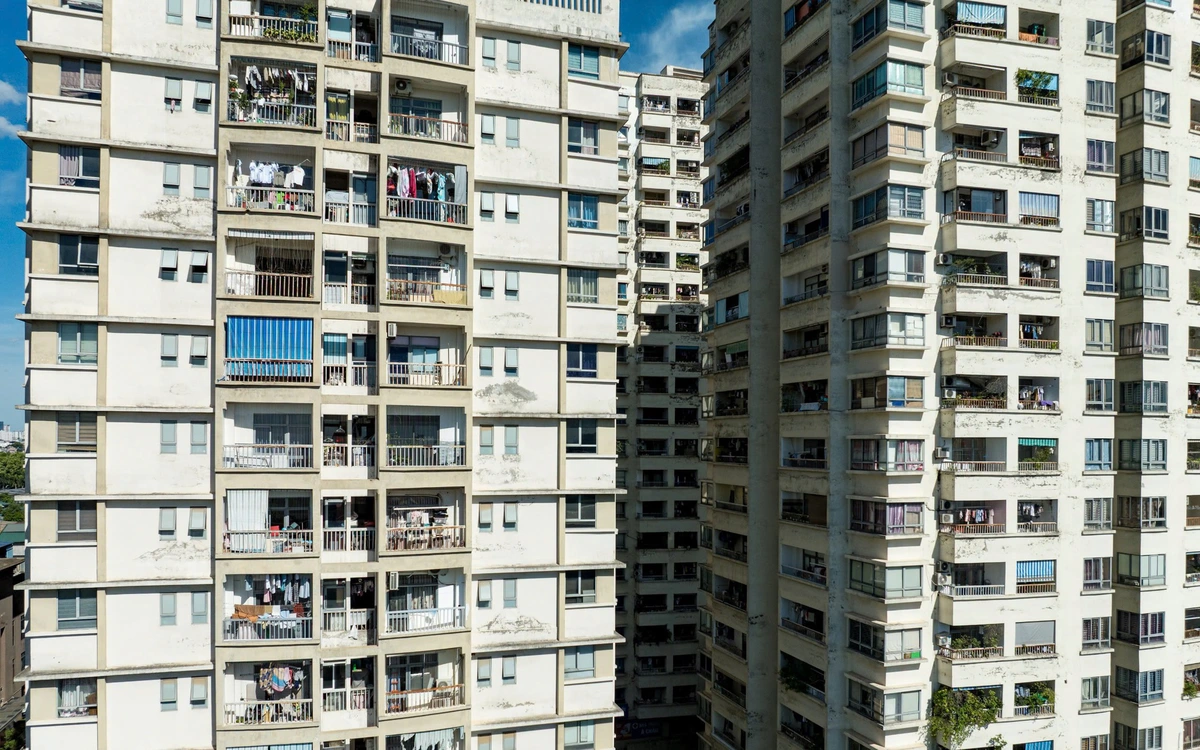
Hanoi plans over $130 million investment for new rental apartments
Translated from Vietnamese, summarized and contextualized by DistantNews.
At a glance
News
Sources not specified
New plan
- Hanoi plans to spend over 3.5 trillion Vietnamese dong to build more than 1,100 rental apartments.
- The project, set for 2026-2028, includes seven 12-13 story buildings with two basement levels on a 2.46-hectare site.
- This initiative marks a shift towards prioritizing long-term rental housing for workers, students, and officials, alongside commercial housing.
Hanoi is preparing to invest more than 3.5 trillion Vietnamese dong (approximately $137 million) to construct over 1,100 rental apartments. The project, slated for implementation between 2026 and 2028, involves building seven 12-13 story buildings with two basement levels across several plots, covering a total area of 2.46 hectares.
This initiative signifies a strategic shift in Hanoi's housing development philosophy. The city aims to balance commercial housing with a strong focus on rental housing, identifying it as a long-term strategic segment. This segment will cater to a broad population, including workers, students, civil servants, and armed forces personnel, ensuring stable, affordable, and safe housing options.
City Chairman Vu Dai Thang emphasized that this move reflects a new government approach to real estate, prioritizing long-term rental markets for genuine housing needs rather than speculation. He stated that housing should genuinely serve as a place to live and improve quality of life. Hanoi plans to develop pilot rental housing projects to create models for future expansion.
"This is not just about developing another real estate segment, but a significant transformation in the concept of housing, moving from a savings-oriented mindset to ensuring people's actual housing needs are met," Thang said. Previously, Hanoi had some rental housing models for workers and students, but they faced limitations in scale and accessibility compared to actual demand.
This is not just about developing another real estate segment, but a significant transformation in the concept of housing, moving from a savings-oriented mindset to ensuring people's actual housing needs are met.
DistantNews Editorial
Originally published by Tuổi Trẻ in Vietnamese. Translated, summarized, and contextualized by our editorial team with added local perspective. Read our editorial standards.
More Stories
From Our Blog

What Gets Lost (and Found) When News Is Translated

The Critical Role of Diaspora Media in Global News

What Travellers Should Know About Countries with Restricted Press

A Digital Nomad's Guide to Following Local News

How the Same Story Looks Different in Different Countries
