

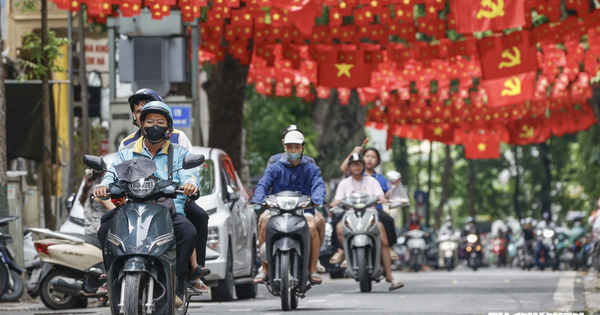

Hanoi proposes removing over 7,300 hectares from forestry planning
Translated from Vietnamese and summarized by DistantNews. Read the original for the full story.
At a glance
News
Sources not specified
New plan
- Hanoi's Department of Agriculture and Rural Development has compiled results from a review of forest and forestry land status.
- Localities proposed removing over 7,386 hectares from forestry planning, with residential and agricultural land making up significant portions.
- The review identified various land types, including residential, agricultural, defense, and cultural sites, within or overlapping forestry areas.
Hanoi is considering removing more than 7,386 hectares of land from its forestry planning, a move that could reclassify significant areas currently designated for forest use.
The proposal, compiled by the Hanoi Department of Agriculture and Rural Development based on reports from 25 communes with forests, suggests reclassifying land primarily for residential, garden, and agricultural purposes. Residential and garden areas alone account for over 1,663 hectares, or 22.5% of the total proposed for removal.
This review also identified other land types within or overlapping forestry zones. These include over 1,119 hectares for national defense and security, over 743 hectares reported outside administrative boundaries, and over 436 hectares for cultural and educational facilities. Additionally, areas for non-agricultural production, transportation, cemeteries, and other uses were proposed for adjustment.
Some local reports lacked complete legal documentation for the proposed changes, presenting challenges in verifying land ownership and origins. The review also noted areas designated for forest production or special-use forests under the capital's master plan that localities still wish to reclassify.
The process aims to clarify land use and management, potentially freeing up land for development while ensuring proper oversight of remaining forestry areas.
About this summary
Originally published by Thanh Niên in Vietnamese. Translated, summarized, and contextualized automatically by DistantNews, with a note on how the source frames the story. Not individually reviewed before publishing. How this works.
More Stories
From Our Blog

What Gets Lost (and Found) When News Is Translated

The Critical Role of Diaspora Media in Global News

What Travellers Should Know About Countries with Restricted Press

A Digital Nomad's Guide to Following Local News

How the Same Story Looks Different in Different Countries
