

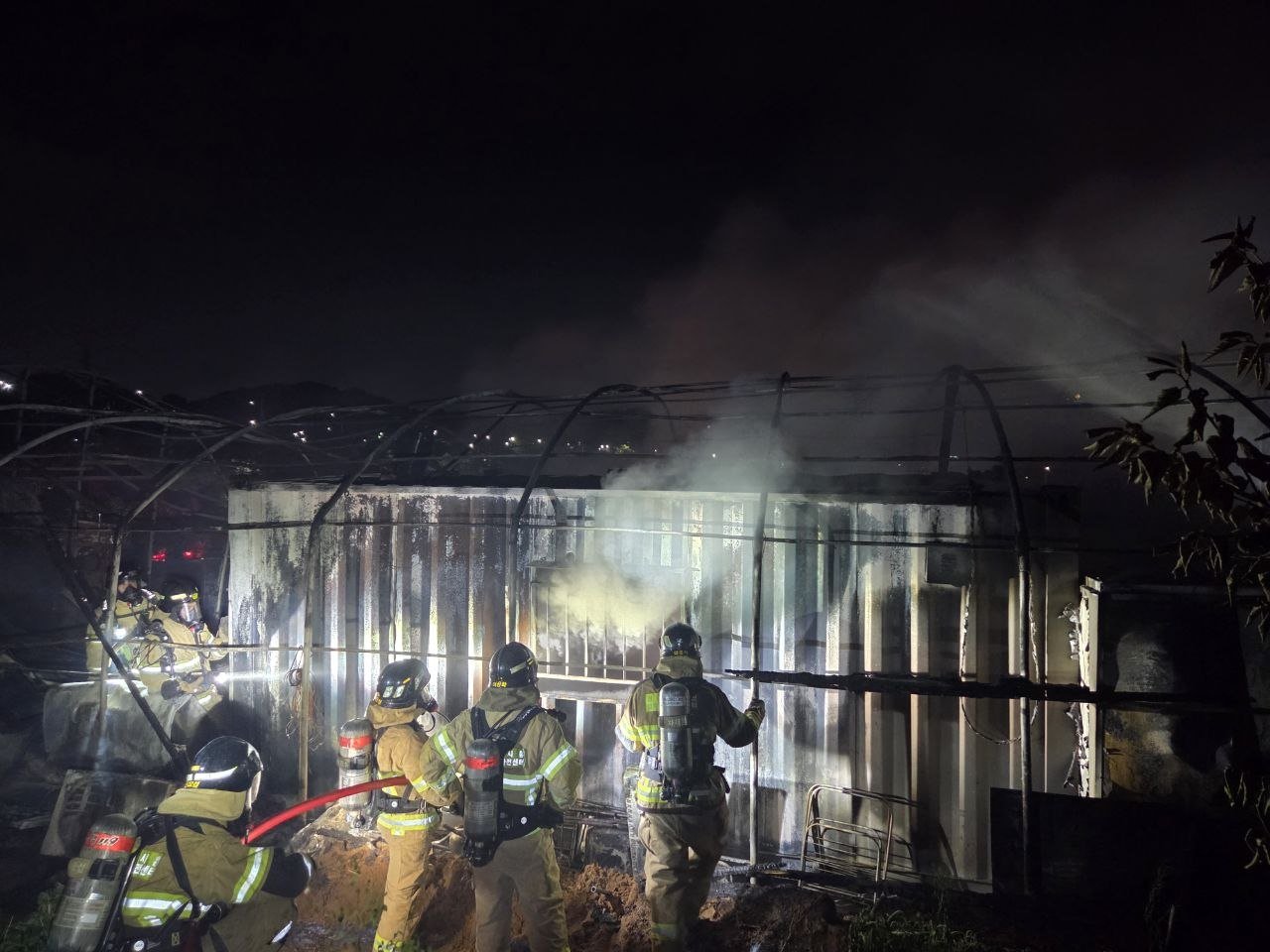

Hanwha Aerospace cleaning room explosion kills five; propellant handling surged
Translated from Korean, summarized and contextualized by DistantNews.
At a glance
News
Named sources
Outcome reported
- An explosion at a cleaning facility at Hanwha Aerospace's Daejeon plant on June 1 killed five workers.
- Investigations reveal that the amount of propellant mixture handled in the cleaning facility significantly increased in the latter half of 2023 and 2025, despite the company previously deeming the area less dangerous.
- The incident is part of a pattern of explosions at the Daejeon plant, with three previous incidents in eight years resulting in 13 deaths and 9 injuries.
An explosion at Hanwha Aerospace's Daejeon plant on June 1 killed five workers, a tragedy that has been compounded by revelations about the handling of hazardous materials. The cleaning facility, designated Building 56, was found to have significantly increased its handling of propellant mixtures in the latter half of 2023 and projected for 2025. This contradicts the company's earlier assessment that the cleaning area was less dangerous.
The cleaning room was judged to be less dangerous.
The "Premix" propellant mixture, used for rocket propulsion, is highly explosive. While dilution with water can reduce risk, its presence in a dry state within the cleaning facility posed a substantial danger. Experts emphasize that if the same materials were handled in other areas where explosions had occurred, the risk assessment for the cleaning space should have been proportionally high. Proper safety measures, revised procedures, and worker education are crucial in such high-risk environments.
If the facility handling the equipment from Building 51, where an explosion had already occurred, was in the cleaning room, its risk should be evaluated as high.
Further complicating the situation, the cleaning operations at Building 56 were consolidated starting in 2024, following the completion of automation facility upgrades. This consolidation meant that the primary cleaning tasks for the Daejeon plant were concentrated in this single building. Despite the increased risk and consolidation, the number of cleaning workers decreased from 12 in late 2021 to 6 in 2024, and is projected to be 5 in late 2025.
If it is a high-risk workplace, it is right to establish appropriate safety measures, change work procedures, and inform and educate workers about the risks.
In response to inquiries, Hanwha Aerospace stated that it is difficult to comment due to an ongoing investigation but affirmed that safety is paramount. The company pledged to re-evaluate all risks and ensure safe operations. This incident is not isolated; the Daejeon plant has experienced three explosions in the past eight years, resulting in 13 fatalities and 9 injuries. Notably, the Defense Acquisition Program Administration, responsible for overseeing explosives manufacturing and storage facilities, had not inspected Building 56's cleaning room, citing it as not being a manufacturing or storage facility.
All processes prioritize safety. The company will evaluate all risks from scratch and do its best to prevent recurrence and operate a safe workplace.
DistantNews Editorial
Originally published by Hankyoreh in Korean. Translated, summarized, and contextualized by our editorial team with added local perspective. Read our editorial standards.
More Stories
From Our Blog

What Gets Lost (and Found) When News Is Translated

The Critical Role of Diaspora Media in Global News

What Travellers Should Know About Countries with Restricted Press

A Digital Nomad's Guide to Following Local News

How the Same Story Looks Different in Different Countries
