

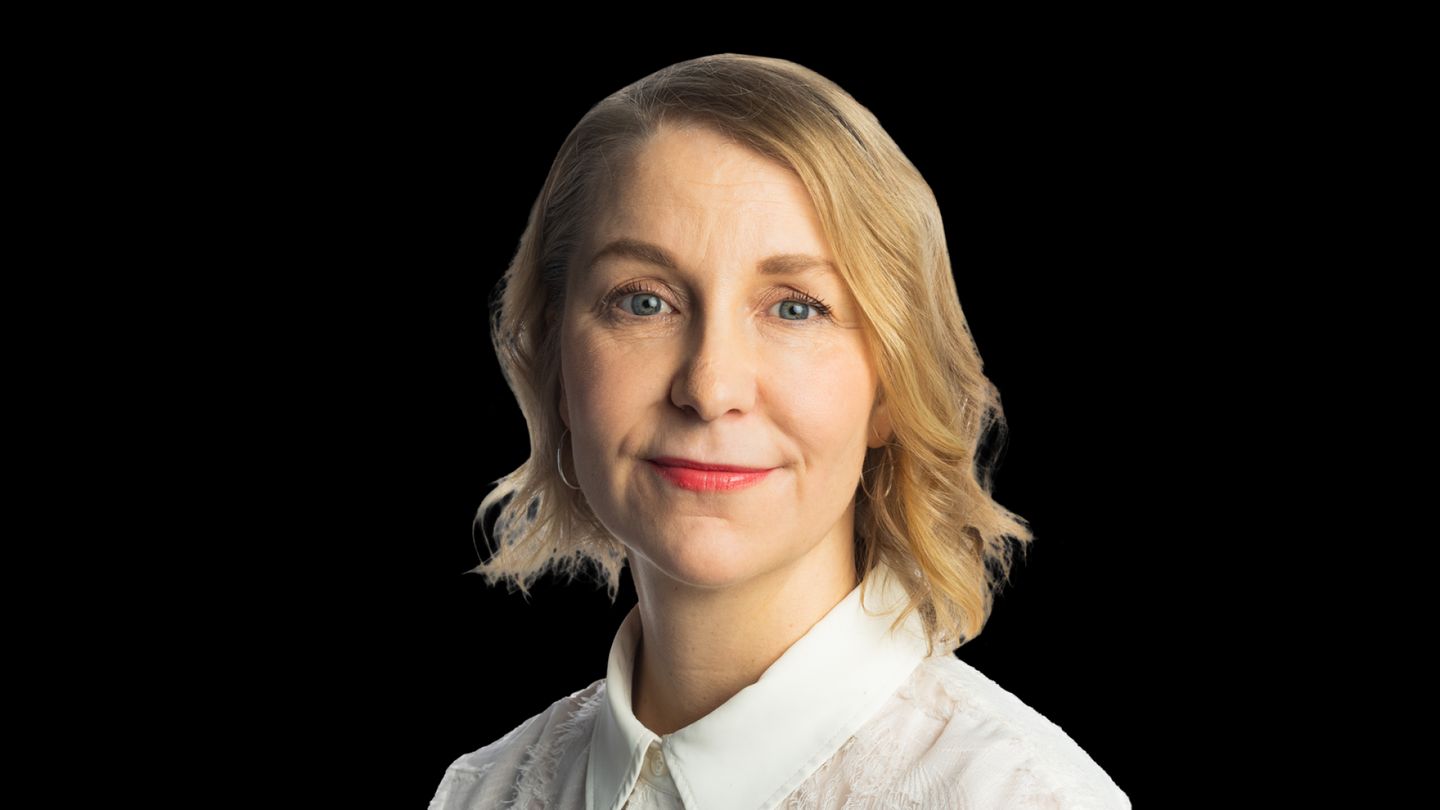

Harvard's 'Chilling Effect' on Speech Discussed by Professor Tara Menon
Translated from Finnish and summarized by DistantNews. Read the original for the full story.
At a glance
News
Sources not specified
Context piece
- Harvard associate professor and author Tara Menon states that the university is currently grappling with what topics are safe to discuss.
- Menon believes that discussions should be open on all subjects, especially following her recent acquisition of U.S. citizenship.
- She previously felt hesitant to express political opinions publicly but now feels more secure.
Harvard University is currently navigating a complex environment where faculty and students are questioning what can be discussed openly, according to Associate Professor and author Tara Menon. Menon, who teaches English, believes that the answer should be "absolutely anything."
At the top university Harvard, people are now thinking about what they dare to talk about, says associate professor and author Tara Menon.
Menon, who recently became a U.S. citizen, shared her perspective during an event in Helsinki. She explained that her new citizenship has marked an end to a period of self-censorship. "Previously, I didn't feel safe expressing my political opinions in public forums," Menon stated, indicating a significant shift in her willingness to engage in public discourse.
In her opinion, the answer should be: absolutely anything.
Her comments come as universities across the globe grapple with issues of free speech, academic freedom, and the potential for "chilling effects" on open dialogue. Menon's work, including her debut novel "Upoksissa," often explores themes related to societal pressures and individual expression. Her experience at Harvard, a leading institution, provides a window into the broader challenges facing higher education in fostering environments where diverse viewpoints can be shared and debated without fear of reprisal.
Previously, I didn't feel safe expressing my political opinions in public forums.
Menon's assertion that "the dam has now broken" suggests a sense of relief and newfound freedom in expressing herself. This shift is particularly relevant in academic settings, where the free exchange of ideas is considered fundamental. Her participation in events like Helsinki Lit allows her to share her insights and literary work with a wider audience, contributing to ongoing conversations about expression and public discourse.
The dam has now broken.
About this summary
Originally published by Helsingin Sanomat in Finnish. Translated, summarized, and contextualized automatically by DistantNews, with a note on how the source frames the story. Not individually reviewed before publishing. How this works.
More Stories

From Our Blog

News in Translation: What Gets Lost, and How We Keep the Framing

Diaspora Media: How Communities Abroad Follow Home

Traveling Where the Press Is Not Free: How to Read the News There

The Digital Nomad's Guide to Local News

The Same Story, Different Countries: How Coverage Changes at the Border
