

Havran's Geographically Indicated Black Fig Harvest Begins
Translated from Turkish, summarized and contextualized by DistantNews.
At a glance
News
Sources not specified
New plan
- Havran, Turkey, has begun its black fig harvest, yielding an average of 650-700 tons annually from approximately 25,000 trees.
- The region is recognized for its fertile land and significant agricultural output, including mandarins and the geographically indicated black fig.
- Local officials expressed wishes for a prosperous season, highlighting the contribution of fruit and vegetable production to Balıkesir's agricultural development.
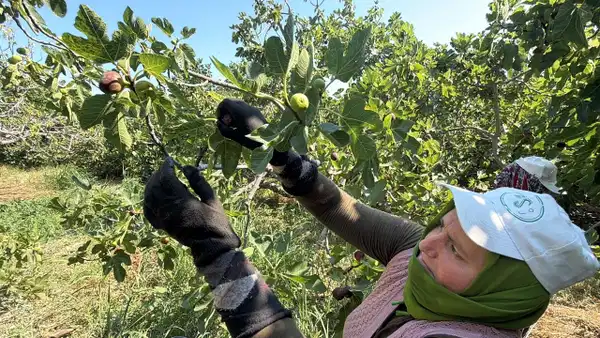
The fertile lands of Havran, Turkey, are buzzing with activity as the region commences its annual black fig harvest. This year's yield is expected to be robust, with approximately 25,000 fig trees anticipated to produce between 650 and 700 tons of the prized black figs.
The Havran black fig, which has geographical indication registration, is one of the important agricultural values unique to the region.
Governor Ustaoğlu emphasized Havran Ovası's status as one of Balıkesir's most productive agricultural zones. He noted the district's strategic importance for crop diversity, quality, and yield. The Havran black fig, distinguished by its geographical indication, stands as a significant local agricultural asset. The harvest is being carried out with the direct involvement of local producers.
Havran is not only a black fig producer but also an important production center where many agricultural products, especially mandarins, are grown.
Beyond the celebrated black fig, Havran is a vital production hub for a variety of agricultural goods, most notably mandarins. Governor Ustaoğlu extended his best wishes for a fruitful and profitable season to the growers. He underscored the broader impact of Balıkesir's rich fruit and vegetable output on the province's agricultural economic growth.
Balıkesir's richness in fruit and vegetable production makes a significant contribution to agricultural development.
DistantNews Editorial
Originally published by Cumhuriyet in Turkish. Translated, summarized, and contextualized by our editorial team with added local perspective. Read our editorial standards.
More Stories


From Our Blog

What Gets Lost (and Found) When News Is Translated

The Critical Role of Diaspora Media in Global News

What Travellers Should Know About Countries with Restricted Press

A Digital Nomad's Guide to Following Local News

How the Same Story Looks Different in Different Countries
