

Hawking, preaching in buses, failure to cooperate with FRSC officials attract ₦50,000 fine – Senate
Summarized and contextualized by DistantNews.
At a glance
News
Named sources
New plan
- The Nigerian Senate has passed an amendment to the Federal Road Safety Corps (FRSC) Act, significantly increasing penalties for traffic offenses.
- New fines include ₦50,000 for hawking, trading, or preaching in commercial buses, and ₦100,000 for ignoring traffic lights or road signs.
- Penalties for driving under the influence of alcohol and for failing to cooperate with FRSC officials have also been substantially raised.
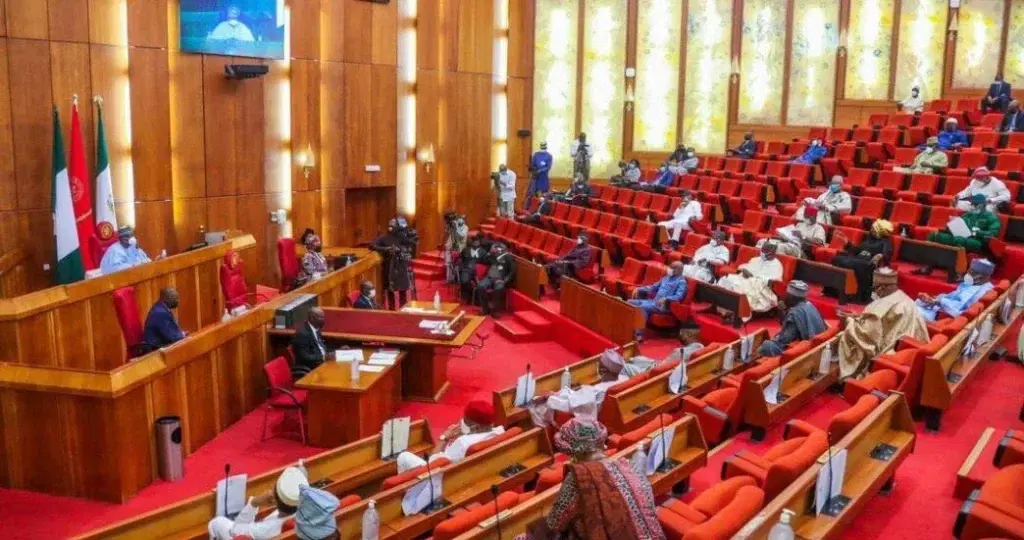
Nigeria's Senate has approved a revised Federal Road Safety Corps (FRSC) Act, introducing substantially higher fines for a range of traffic violations. The amendment, awaiting presidential assent, aims to enhance road safety and enforce compliance with traffic regulations.
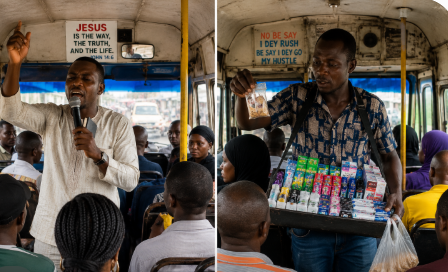
Key changes include a new ₦50,000 fine for individuals caught hawking, trading, or preaching inside commercial vehicles. Lawmakers introduced this provision to minimize distractions and improve passenger safety. Additionally, motorists who refuse to cooperate with FRSC officials during roadside breath tests, conducted on reasonable suspicion, will face a ₦50,000 fine or a six-month prison sentence, or both.
The penalties for more serious offenses have also seen a significant increase. Driving under the influence of alcohol or intoxicating drugs now carries a fine of ₦100,000, or up to two years imprisonment, or both, a substantial jump from the previous ₦5,000 fine. Similarly, ignoring traffic lights, road signs, pavement markings, or other traffic control devices will result in a ₦100,000 fine.
Speeding violations, previously punishable by a ₦5,000 fine, will now attract a ₦100,000 penalty. Reckless driving also carries a ₦100,000 fine, with the possibility of up to two years imprisonment or both. The amended Act now lists 52 traffic violations and their corresponding penalties, reflecting a comprehensive review intended to strengthen the FRSC's enforcement capabilities and improve overall road safety across Nigeria.
DistantNews Editorial
Originally published by Vanguard. Summarized and contextualized by our editorial team with added local perspective. Read our editorial standards.
More Stories


From Our Blog

How the Same Story Looks Different in Different Countries

What Gets Lost (and Found) When News Is Translated

The Critical Role of Diaspora Media in Global News

What Travellers Should Know About Countries with Restricted Press

A Digital Nomad's Guide to Following Local News
