


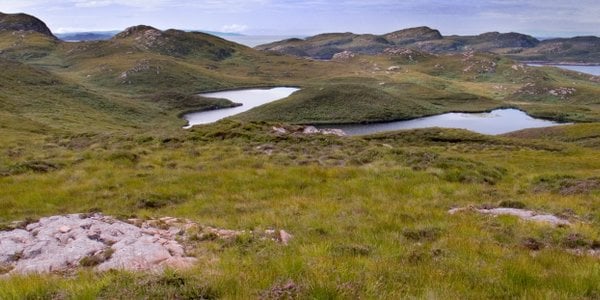
He spent $135 million to save a dying island. The results are impressive.
Translated from Polish, summarized and contextualized by DistantNews.
At a glance
In-depth
Sources not specified
Context piece
- British billionaire Ian Wace purchased the Scottish island of Tanera Mòr in 2017 for $2.2 million.
- He has since invested $135 million in a massive revitalization project to restore the island, its community, and its natural environment.
- The project has restored over 50 buildings, planted 100,000 trees, and aims to revive traditional crafts and create jobs, transforming the island into a place to live and work.
British billionaire Ian Wace has undertaken an ambitious and costly project to revitalize the Scottish island of Tanera Mòr, transforming it from a near-abandoned state into a thriving community and natural haven. Wace acquired the island, the largest in the Summer Isles archipelago off Scotland's northwest coast, in 2017 for approximately $2.2 million.
Upon purchase, Tanera Mòr was in a state of decline, with many historic buildings dilapidated and its population dwindling. Once a significant center for the herring industry, the island's economy had faltered over time, leading to emigration. Wace's vision extended beyond mere acquisition; he embarked on a massive revitalization effort, investing around $135 million to date.
The project's scope is extensive. Over 50 buildings have been restored, including historic homes. Approximately 7 kilometers of roads and new pathways have been created. Significant emphasis has been placed on ecological restoration, with over 100,000 trees planted, hundreds of native aquatic plants introduced, eight ponds created, and over 11 hectares of former farmland reclaimed. Efforts are also underway to revive traditional crafts, including the restoration of two historic herring boats and a loom for tweed production. Workshops on various skills, from sail making to bread baking, are also offered.
Tanera Mòr now features communal spaces like a pub, chapel, cinema, and gym, accommodating up to 150 people. The project prioritizes local employment, with over 60% of staff from the Scottish Highlands. It also runs a regeneration program for public sector workers, including healthcare professionals and military personnel, having hosted over 1,300 individuals. In 2020, the island was transferred to a charitable foundation, and the project expanded to the nearby Coigach region, with local organizations receiving over 3,000 hectares of mainland land.
DistantNews Editorial
Originally published by Rzeczpospolita in Polish. Translated, summarized, and contextualized by our editorial team with added local perspective. Read our editorial standards.
More Stories


From Our Blog

What Gets Lost (and Found) When News Is Translated

The Critical Role of Diaspora Media in Global News

What Travellers Should Know About Countries with Restricted Press

A Digital Nomad's Guide to Following Local News

How the Same Story Looks Different in Different Countries
