


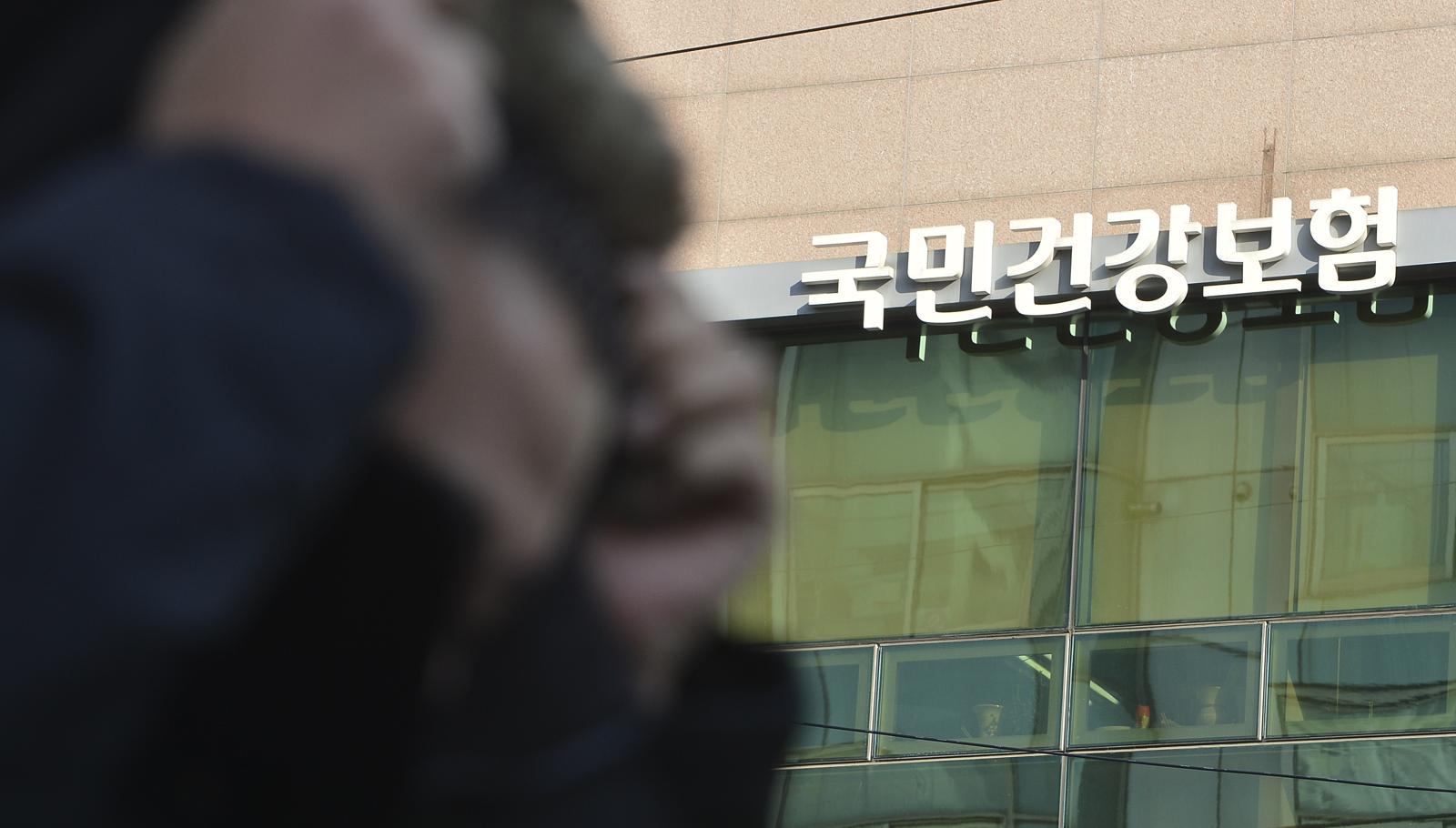
Health Insurance Posts 3.9 Trillion Won Deficit in Q1; Profit Streak Ends After 5 Years
Translated from Korean, summarized and contextualized by DistantNews.
At a glance
News
Named sources
Context piece
- South Korea's National Health Insurance experienced a deficit of nearly 4 trillion won in the first quarter of 2026, ending a streak of profits.
- The cumulative surplus has decreased significantly, and medical reform plans could accelerate the depletion of reserves by two years.
South Korea's National Health Insurance faced a substantial deficit of nearly 4 trillion won in the first quarter of 2026, marking the end of a profitable trend that began in 2021. This sharp downturn raises concerns about the potential for a full-year deficit.
According to data obtained by Jeon Jin-sook, a member of the National Assembly's Health and Welfare Committee, the health insurance's income for the first quarter of 2026 was 22.4416 trillion won, while expenditures reached 26.3405 trillion won, resulting in a deficit of 3.8989 trillion won for the period. Consequently, the cumulative surplus, which stood at 30.2217 trillion won at the end of the previous year, decreased by the same amount.
The health insurance system had recorded deficits for three consecutive years from 2018 to 2020 before turning profitable in 2021. This turnaround was attributed to reduced medical utilization during the COVID-19 pandemic, which slowed expenditure growth, coupled with increased premium income. The surplus grew to 3.6291 trillion won in 2022 and peaked at 4.1276 trillion won in 2023, but it had been declining for two consecutive years, reaching 1.7244 trillion won in 2024 and 499.6 billion won last year.
Projections had already indicated a shift to a deficit for 2026. The Ministry of Health and Welfare's "2nd Comprehensive Plan for National Health Insurance" forecasted a deficit for the year. Furthermore, the National Assembly Budget Office estimated in June that incorporating the financial impact of the government's medical reforms could lead to the depletion of cumulative reserves by 2029, two years earlier than previously projected. This would also result in an accumulated deficit of 27.8 trillion won over the next decade, significantly higher than earlier estimates.
DistantNews Editorial
Originally published by Dong-A Ilbo in Korean. Translated, summarized, and contextualized by our editorial team with added local perspective. Read our editorial standards.
More Stories



From Our Blog

What Gets Lost (and Found) When News Is Translated

The Critical Role of Diaspora Media in Global News

What Travellers Should Know About Countries with Restricted Press

A Digital Nomad's Guide to Following Local News

How the Same Story Looks Different in Different Countries
