


Intense Heatwaves Accelerate Biological Aging by Up to Six Months, Study Finds
Translated from Korean, summarized and contextualized by DistantNews.
At a glance
News
Named sources
Context piece
- Intense heatwaves can accelerate biological aging by up to six months after a single exposure, according to a study.
- Researchers analyzed health data from over 2,300 adults aged 45 and older in China.
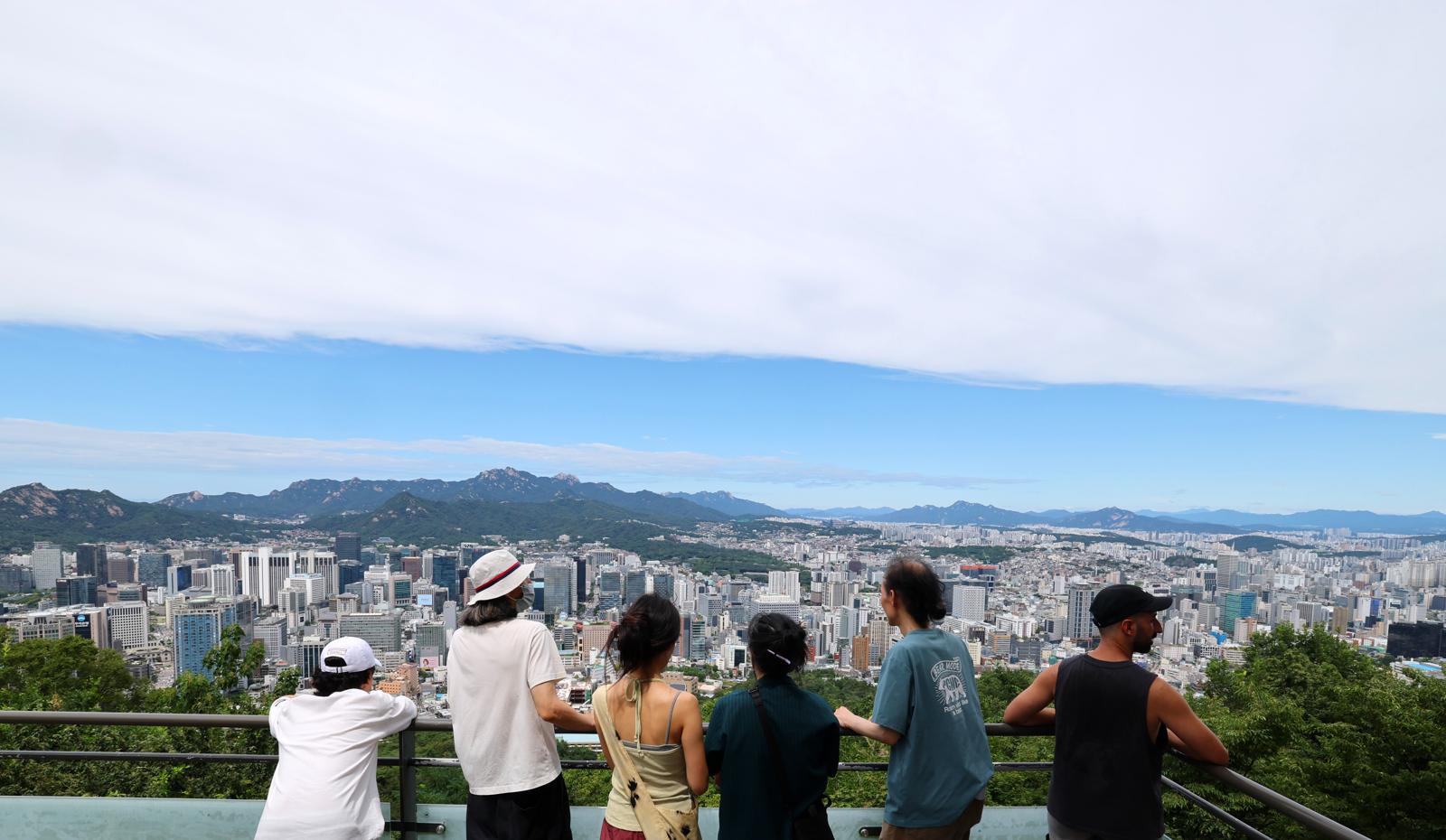
- The findings suggest that recent heatwaves in South Korea may be contributing to accelerated aging beyond just heatstroke risks.
Experiencing a severe heatwave, even just once, can accelerate a person's biological aging by approximately six months, a new study suggests. The research, published in the journal 'Cyborg and Bionic Systems,' analyzed the health data of 2,318 individuals over 45 years old in China.
Researchers from Zhejiang University used data from the China Health and Retirement Longitudinal Study (CHARLS). They correlated exposure to heatwaves with biological aging markers, including C-reactive protein, glycated hemoglobin, total cholesterol, triglycerides, blood urea nitrogen, serum creatinine, platelet count, and systolic blood pressure. Their analysis indicated that heatwave exposure significantly speeds up biological aging in middle-aged and older adults.
During a four-year observation period, 58.8% of participants showed signs of accelerated biological aging. Their average biological age increased by five years, from 57.3 to 62.3 years, while their chronological age advanced normally. The study found a particularly strong correlation when using stricter definitions of heatwaves.
For instance, each additional instance of a "very strong heatwave", defined as four consecutive days with perceived temperatures in the top 2.5% of local records, added 0.531 years (about 6.4 months) to a person's biological age. Each additional day of a heatwave added 0.057 years. Given South Korea's record-breaking temperatures in late July and early August, the study's authors believe the recent extreme heat likely meets these criteria, potentially causing many Koreans to age biologically by several months.
The study also noted that factors like being overweight, living in urban areas, and residing in hot, humid subtropical climates can exacerbate the aging effects of heatwaves. The researchers observed that heat exposure impacts lipid and glucose metabolism, potentially leading to reduced organ function and accelerated aging. They emphasize the need for new strategies to combat climate change and protect vulnerable populations from temperature fluctuations.
DistantNews Editorial
Originally published by Hankyoreh in Korean. Translated, summarized, and contextualized by our editorial team with added local perspective. Read our editorial standards.
More Stories


From Our Blog

What Gets Lost (and Found) When News Is Translated

The Critical Role of Diaspora Media in Global News

What Travellers Should Know About Countries with Restricted Press

A Digital Nomad's Guide to Following Local News

How the Same Story Looks Different in Different Countries
