

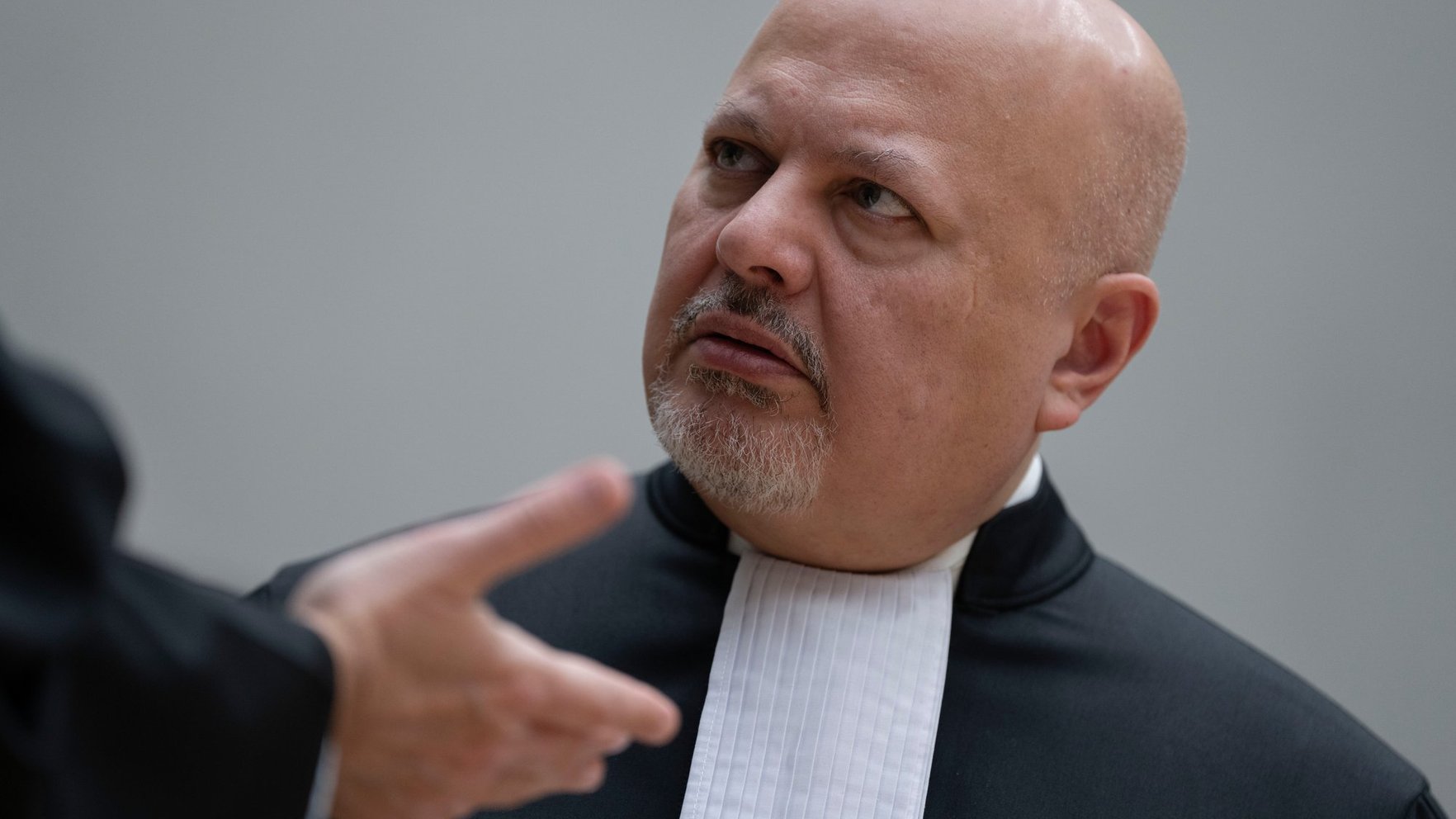

Health Ministry Appeals Ruling on 123,000 Euro Compensation for Child's Death at Daugavpils Hospital
Translated from Latvian, summarized and contextualized by DistantNews.
At a glance
News
Named sources
Under investigation
- The Ministry of Health is appealing a court decision ordering compensation for a child's death at Daugavpils Hospital.
- The child's mother claims negligence occurred during transport within the hospital after the child ingested valerian pills.
- A court-appointed medical examination contradicted the Health Inspectorate's conclusion of sudden infant death syndrome, suggesting the child died from acute heart failure during transport.
Latvia's Ministry of Health is challenging a court ruling that mandates a 123,000 euro compensation payment to a mother whose infant died at Daugavpils Hospital. The ministry has filed an appeal against the Administrative District Court's decision, which upheld a lower court's verdict ordering the payment.
The case involves an 11-month-old girl who was rushed to Daugavpils Regional Hospital after her mother noticed she might have ingested valerian pills. The infant was initially placed in intensive care and stabilized. However, during transport to another department, the child was disconnected from vital signs monitoring equipment, a procedure that violates hospital regulations requiring continuous monitoring during transfers.
According to case materials, the journey to the fifth floor took approximately 20 minutes. During this time, the child was under the care of an assistant and a nurse but without the monitoring equipment that would have alerted them to cardiac arrest. Staff reportedly believed the child was simply sleeping. Upon arrival at the pediatric ward, it was discovered the child was not breathing, and doctors concluded she had died during or just before transport.
The Health Inspectorate initially conducted an investigation and concluded that doctors were not at fault and suggested sudden infant death syndrome as a possible cause. They also stated that the valerian poisoning was not severe enough to cause death and that the doctors' actions were appropriate. The mother disputed this explanation and took the case to court. A comprehensive forensic medical examination involving five specialists was ordered. This examination reportedly revealed inconsistencies in medical documentation, including blood pressure readings taken when the child was no longer connected to monitors. The experts rejected the sudden infant death syndrome diagnosis, asserting that the child died from acute heart failure and asystole, likely exacerbated by the transport conditions, and that continuous monitoring in intensive care could have potentially saved her.
DistantNews Editorial
Originally published by Delfi Latvia in Latvian. Translated, summarized, and contextualized by our editorial team with added local perspective. Read our editorial standards.
More Stories


From Our Blog

What Gets Lost (and Found) When News Is Translated

The Critical Role of Diaspora Media in Global News

What Travellers Should Know About Countries with Restricted Press

A Digital Nomad's Guide to Following Local News

How the Same Story Looks Different in Different Countries
