


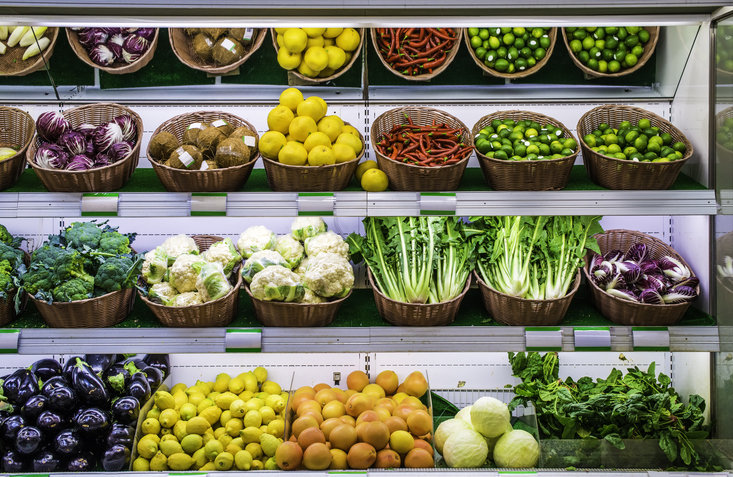
Healthy Diet Paradox: Study Links High Fruit, Vegetable Intake to Increased Lung Cancer Risk in Young Non-Smokers
Translated from Korean, summarized and contextualized by DistantNews.
TLDR
- A study suggests a paradoxical link between high consumption of fruits, vegetables, and whole grains and an increased risk of lung cancer in non-smoking young adults.
- Researchers hypothesize that pesticide residues on conventionally grown produce may play a role, potentially causing genetic mutations and inflammation.
- The study also noted a higher incidence of lung cancer among young, non-smoking women compared to their male counterparts, correlating with higher intake of these healthy foods.
A recent study presented at the American Association for Cancer Research's annual conference has brought to light a perplexing phenomenon: the potential link between a healthy diet and an increased risk of lung cancer, particularly among young, non-smoking individuals. Researchers at the University of Southern California's Keck School of Medicine have observed that patients under 50 who developed lung cancer, and who were non-smokers, tended to consume more fruits, vegetables, and whole grains than the general population.
The results showed a paradoxical relationship where the risk of lung cancer may be higher in groups that consume more fruits, vegetables, and whole grains.
This finding is counterintuitive, as these food groups are widely promoted for their health benefits and cancer-preventive properties. The study's lead investigator, Dr. Jorge Nieva, a pulmonary specialist, points to pesticide residues on commercially grown produce as a possible culprit. He explains that certain chemicals used in agriculture might induce mutations, increase oxidative stress, and promote inflammation in lung tissues. This hypothesis is supported by epidemiological studies showing higher lung cancer rates among agricultural workers who are regularly exposed to pesticides.
The research also highlighted a concerning trend: young, non-smoking women appear to be diagnosed with lung cancer at a higher rate than men in the same age group. This observation aligns with the dietary findings, as the female participants in the study generally consumed more fruits, vegetables, and whole grains. While this study is preliminary and does not establish a direct cause-and-effect relationship, it raises important questions about our food supply and public health policies. The researchers emphasize the need for further investigation, including direct measurement of pesticide levels in individuals, to confirm these findings and explore potential interventions.
High pesticide residues on non-organic crops may contribute to genetic mutations, increased oxidative stress, and promotion of inflammatory responses, affecting lung tissue.
From a South Korean perspective, this study is particularly intriguing. While we generally advocate for a balanced diet rich in plant-based foods, this research prompts a closer look at the *quality* and *origin* of our produce. The emphasis on organic and locally sourced foods, which is gaining traction here, might become even more critical. It also underscores the importance of continued research into the environmental factors contributing to cancer, moving beyond traditional risk factors like smoking. The potential implications for agricultural practices and food safety regulations are significant, urging a re-evaluation of how we grow and consume food to ensure it truly promotes health.
This study is an important step in identifying modifiable environmental factors that may influence the development of lung cancer in young adults.
DistantNews Editorial
Originally published by Dong-A Ilbo in Korean. Translated, summarized, and contextualized by our editorial team with added local perspective. Read our editorial standards.
More Stories


From Our Blog

What Gets Lost (and Found) When News Is Translated

The Critical Role of Diaspora Media in Global News

What Travellers Should Know About Countries with Restricted Press

A Digital Nomad's Guide to Following Local News

How the Same Story Looks Different in Different Countries
