

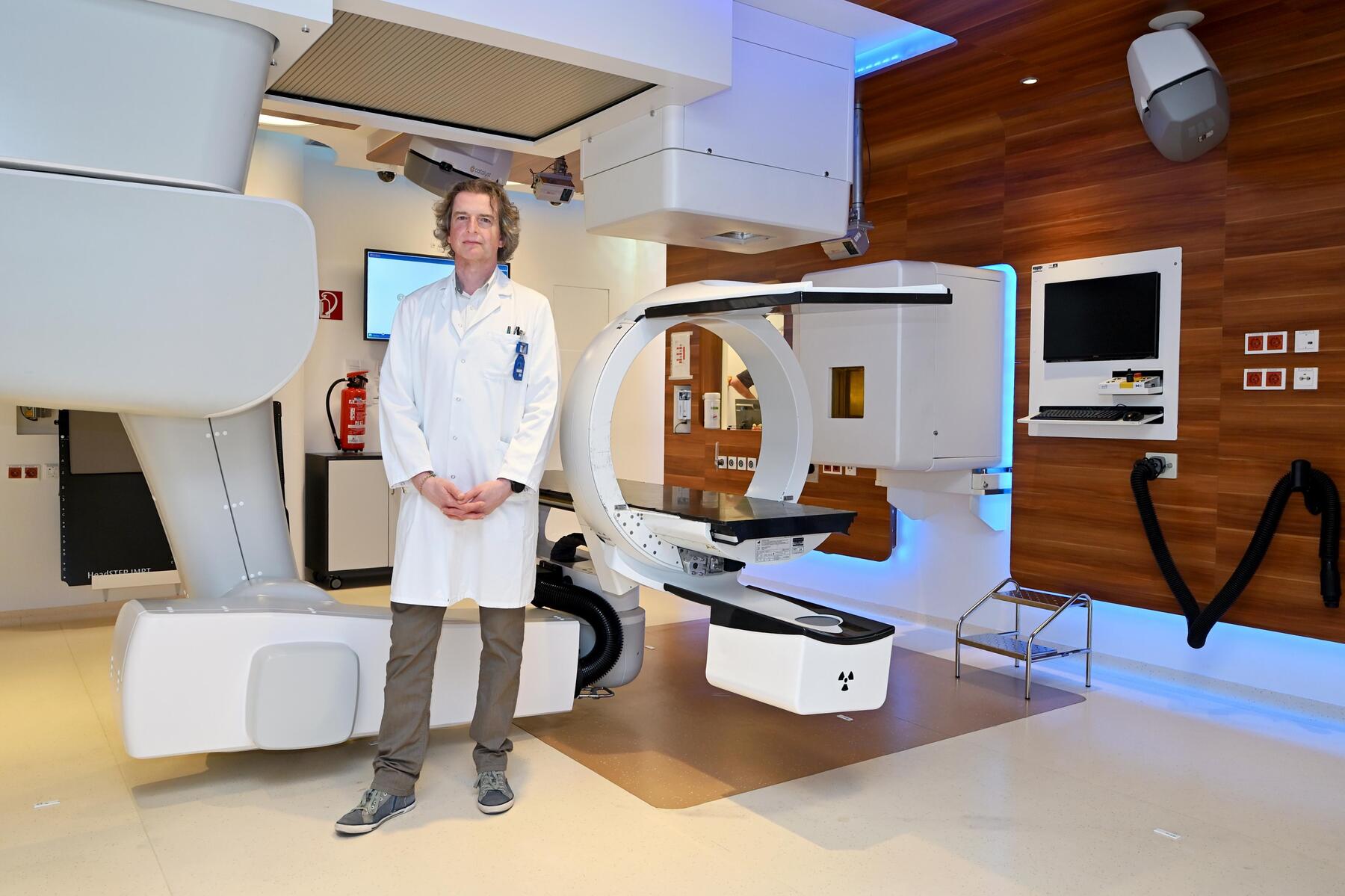

Heart surgeon: Menopause is a biological turning point
Translated from German, summarized and contextualized by DistantNews.
At a glance
Analysis
Named sources
Context piece
- Menopause is a significant biological turning point for women, impacting more than just hot flashes and sleep issues.
- Hormonal changes during menopause fundamentally affect women's hearts, blood vessels, muscles, bones, and metabolism.
- Healthcare for women needs to better account for these distinct aging processes and symptoms.
Menopause represents a fundamental biological turning point for women, extending far beyond common symptoms like hot flashes and sleep disturbances, according to heart surgeon Viyan Sido. The hormonal shifts experienced during this phase profoundly influence a woman's cardiovascular system, blood vessels, musculature, bone density, and overall metabolism.
While women generally have a longer life expectancy than men, this does not automatically translate to better health in later years. Sido points out that many women experience significant health limitations in their later lives, and menopause is a critical juncture where these challenges often begin to manifest more acutely. The effects are systemic, impacting multiple bodily functions.
The hormone change in menopause fundamentally affects the heart, blood vessels, muscles, bones, and metabolism.
Sido emphasizes that the distinct ways women age compared to men, particularly concerning the onset of certain diseases and the presentation of symptoms, must be more thoroughly considered within healthcare practices. Addressing the multifaceted impacts of menopause requires a comprehensive approach that acknowledges its role as a pivotal biological transition.
Menopause marks a biological turning point.
DistantNews Editorial
Originally published by Der Standard in German. Translated, summarized, and contextualized by our editorial team with added local perspective. Read our editorial standards.
More Stories


From Our Blog

What Gets Lost (and Found) When News Is Translated

The Critical Role of Diaspora Media in Global News

What Travellers Should Know About Countries with Restricted Press

A Digital Nomad's Guide to Following Local News

How the Same Story Looks Different in Different Countries
