


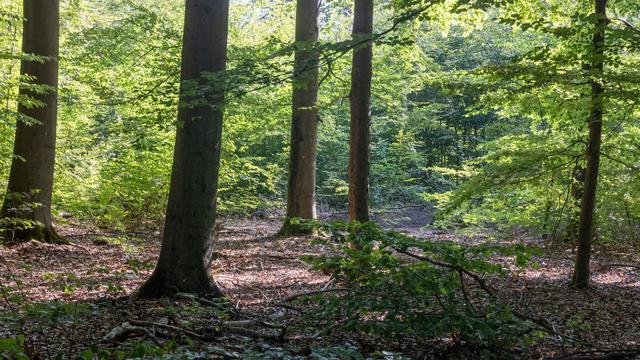

Heat and Fires: How Are Thuringia’s Forests Faring?
Translated from German and summarized by DistantNews. Read the original for the full story.
At a glance
Newswire
Named sources
Context piece
- Thuringia recorded 47 forest fires through August, affecting 11.4 hectares, compared with a long-term average of 28 fires and 10 hectares annually.
- Heat and drought have weakened many native tree species, with spruce described as the main climate-change loser and its share falling from 38% to 31% between 2012 and 2022.
- The bark beetle situation has eased, with 27,800 cubic meters of damaged timber recorded this year, partly because of natural predators and forest owners’ management.
Thuringia has already recorded an above-average number of forest fires this year, although the burned area remains far below last year’s figure. From March through August, 47 fires affected 11.4 hectares, according to Thüringenforst spokesman Horst Sproßmann.
The long-term average, based on records dating back to 1993, is 28 fires and 10 hectares of burned forest per year. The same number of fires occurred during the comparable period last year, but 85.6 hectares burned, more than 80 hectares of it in the major fire on the Saalfeld Heights. Forest-fire monitoring in Thuringia runs from March 1 through October 31.
Recent months brought periods of intense heat and drought. Sproßmann said years of dryness had affected the vitality of nearly all native tree species. Spruce and beech have been particularly affected, while pine is also struggling in some areas. Several years of drought can weaken trees so severely that a wetter year does not restore their health immediately.
2026 can already be described as above average in terms of the number of forest fires from March to August.
Spruce is currently the main “loser from climate change,” Sproßmann said. Its share of the forest fell from 38% to 31% between 2012 and 2022. Oak species, European linden and field maple are coping better with the changing conditions.
High temperatures also favor pests such as the bark beetle, which can reproduce faster in suitable warmth while drought-stressed spruce becomes less able to resist attacks. Even so, the forest agency considers the bark beetle situation more stable. It recorded 27,800 cubic meters of bark-beetle-damaged timber by August 11, just 1.2% of the amount recorded at the same point two years earlier. Natural predators, including woodpeckers, insects and parasites, and forest owners’ successful management have contributed to the improvement.
loser from climate change
About this summary
Originally published by Die Zeit in German. Translated, summarized, and contextualized automatically by DistantNews, with a note on how the source frames the story. Not individually reviewed before publishing. How this works.
More Stories

From Our Blog

News in Translation: What Gets Lost, and How We Keep the Framing

The Same Story, Different Countries: How Coverage Changes at the Border

Diaspora Media: How Communities Follow News From Home

Traveling Where the Press Is Not Free: How to Read the News There

The Digital Nomad's Guide to Local News
