


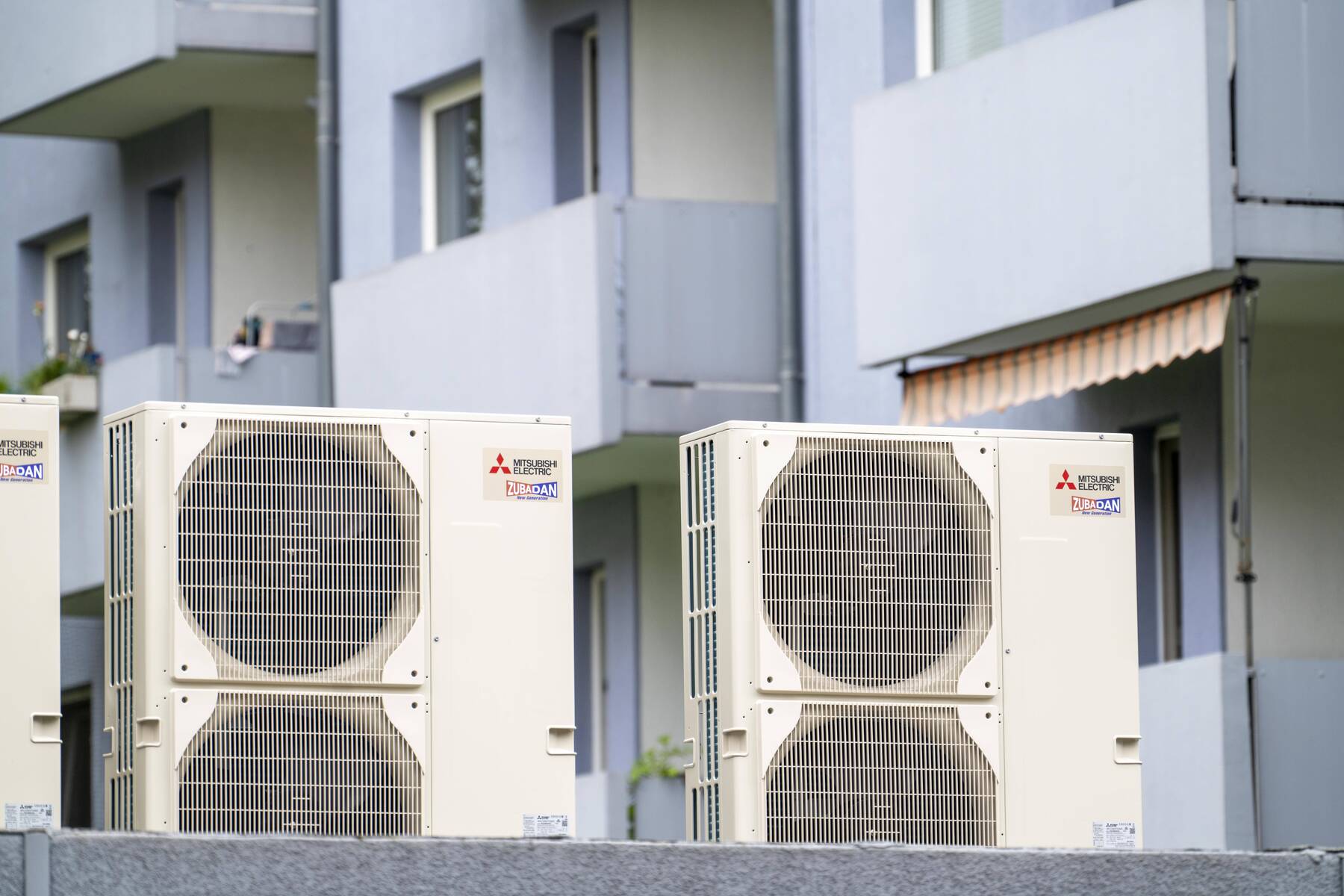
Heat Pumps: A More Efficient Alternative to Air Conditioning for Summer Cooling?
Translated from German, summarized and contextualized by DistantNews.
At a glance
Explainer
Sources not specified
Context piece
- Many people consider air conditioning for summer cooling, but heat pumps offer an efficient alternative.
- Numerous heat pumps can effectively cool living spaces, often using less energy than traditional AC units.
- This article explores the capabilities, limitations, and potential cost-effectiveness of using heat pumps for cooling.
As summer temperatures rise, the thought of air conditioning often comes to mind for keeping homes cool. However, a growing number of heat pumps are proving to be a viable and often more energy-efficient alternative for residential cooling.
Many modern heat pumps are designed with reversible functionality, allowing them to not only heat spaces in colder months but also to provide effective cooling during warmer periods. This dual capability means homeowners can potentially rely on a single system for year-round climate control. The energy efficiency of heat pumps in cooling mode is a significant advantage, as they often consume less electricity compared to conventional air conditioning units.
While heat pumps offer a compelling alternative, it's important to understand their limitations. Their cooling capacity can be influenced by external temperatures, and in extremely hot climates, they might not perform as effectively as dedicated air conditioning systems. Additionally, the initial cost of installing or retrofitting a heat pump system can be a consideration for some consumers.
Despite these factors, the potential for long-term energy savings and environmental benefits makes heat pumps an attractive option. For those considering cooling solutions, evaluating the specific performance of heat pumps in their climate, alongside installation costs and potential government incentives, can help determine if this more sustainable technology is the right choice.
DistantNews Editorial
Originally published by Die Presse in German. Translated, summarized, and contextualized by our editorial team with added local perspective. Read our editorial standards.
More Stories



From Our Blog

What Gets Lost (and Found) When News Is Translated

The Critical Role of Diaspora Media in Global News

What Travellers Should Know About Countries with Restricted Press

A Digital Nomad's Guide to Following Local News

How the Same Story Looks Different in Different Countries
