


Heatwave, drought, and fires increase oil prices - a blow to vegetables and wine too
Translated from Greek, summarized and contextualized by DistantNews.
At a glance
News
Sources not specified
Context piece
- Extreme weather conditions, including heatwaves, drought, and fires, are severely impacting European agricultural production.
- Farmers warn of significant crop yield reductions and anticipate further price increases for essential foods like olive oil, vegetables, and wine.
- The European Commission has lowered its production forecasts for several key crops, including sunflower and corn, due to adverse weather.
Europe's agricultural sector is facing severe repercussions from a new wave of extreme weather events, with farmers warning of substantial crop losses and subsequent price hikes for staple foods. The combination of intense heatwaves, prolonged drought, and widespread wildfires is creating a challenging environment for production across the continent.
From corn and grains to vegetables, vineyards, and olive groves, high temperatures have inflicted extensive damage. The olive oil market, in particular, is under pressure, with expectations of renewed price increases after a recent period of stabilization, according to a Guardian report. In France, vegetable producers estimate losses in the tens of millions of euros, with crops like lettuce, carrots, and onions suffering significantly, potentially seeing production declines of up to 50% due to persistent lack of rain.
Grapevine cultivation in key French wine regions such as Champagne, Bordeaux, and Burgundy is also experiencing difficulties, with slowed growth. Champagne producers anticipate the earliest harvest on record, starting around mid-August, nearly a month earlier than in previous decades, and expect yields to be about 10% lower than last year.
These adverse conditions are reflected in the European Commission's revised production forecasts. The Commission has reduced its estimates for sunflower production by 7% and corn by 6%. Forecasts for potatoes and soybeans have also been lowered by approximately 3%. In Spain, the Ministry of Agriculture projects a significant drop in cereal production for the 2026-2027 period, from 24 million tons last year to just 18.5 million tons, a figure estimated before the major summer fires.
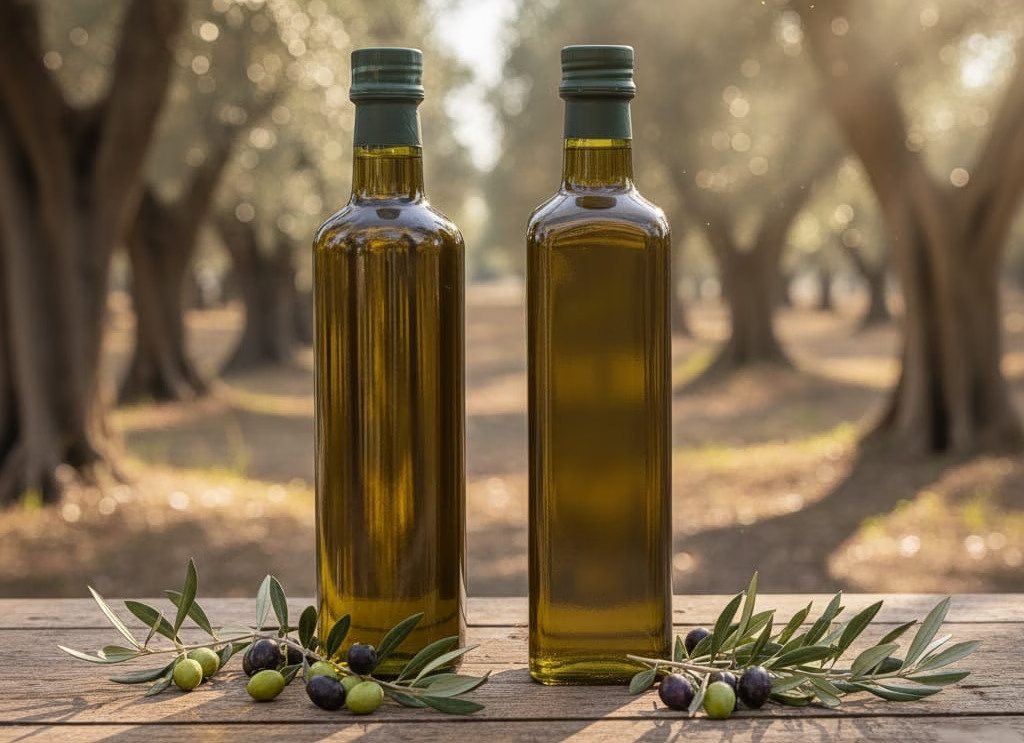
The situation in Mediterranean olive groves is particularly concerning. Fires have destroyed groves in Greece, Italy, and Portugal. Even areas not directly hit by flames are affected by ash, poor air quality, and extreme temperatures. Experts also note an increase in insect infestations and diseases, alongside more frequent intense storms, all impacting both the quantity and quality of harvests. Producers are warning that olive oil prices may rise again in the autumn due to anticipated lower yields.
DistantNews Editorial
Originally published by Ta Nea in Greek. Translated, summarized, and contextualized by our editorial team with added local perspective. Read our editorial standards.
More Stories


From Our Blog

What Gets Lost (and Found) When News Is Translated

The Critical Role of Diaspora Media in Global News

What Travellers Should Know About Countries with Restricted Press

A Digital Nomad's Guide to Following Local News

How the Same Story Looks Different in Different Countries
