



Heatwave grips South Korea with temperatures hitting 37°C amid scattered showers
Translated from Korean, summarized and contextualized by DistantNews.
At a glance
News
Sources not specified
Context piece
- Most of South Korea will experience a heatwave on Sunday, with temperatures reaching up to 37 degrees Celsius.
- While some areas may see temporary relief from showers, high humidity will follow, keeping temperatures high.
- Coastal areas face risks from high waves and potential flooding due to oceanic swells.
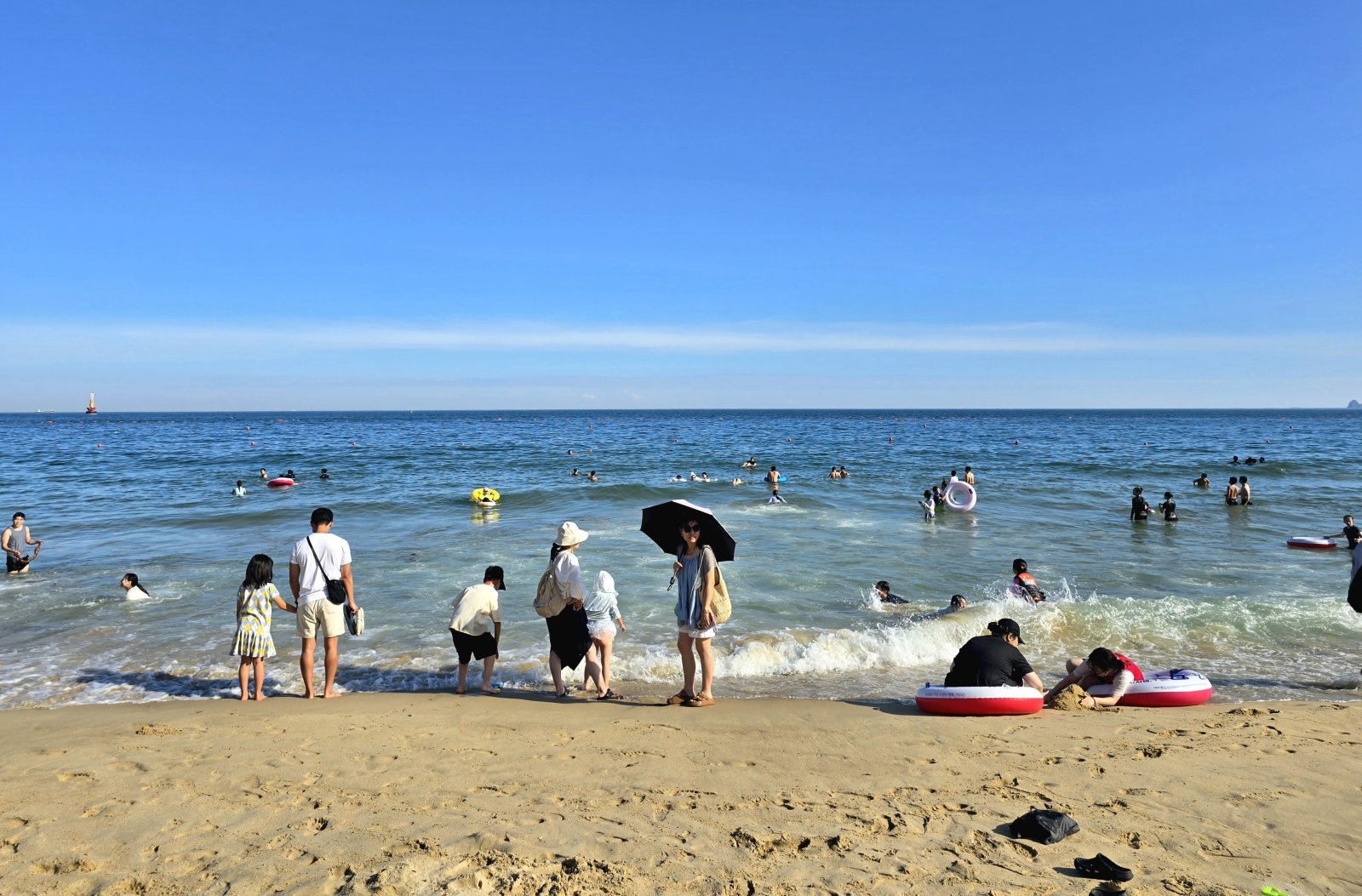
Much of South Korea is bracing for intense heat on Sunday, with the Korea Meteorological Administration issuing heatwave advisories for most regions. Temperatures are expected to soar to a high of 37 degrees Celsius, creating stifling conditions.
While scattered showers are forecast for some areas, offering temporary respite, the high humidity levels are expected to persist after the rain, maintaining the oppressive heat. Daytime highs will range from 31 to 37 degrees Celsius, significantly above average for this time of year. The highest perceived temperatures could reach around 33 degrees Celsius nationwide, with the Seoul metropolitan area, Chungcheong region, and southern provinces experiencing even higher figures, potentially around 35 degrees Celsius.
Overnight temperatures are also unlikely to drop significantly, leading to frequent occurrences of tropical nights. Major cities like Seoul are expected to reach 34 degrees Celsius, Busan 32 degrees Celsius, and Daegu 36 degrees Celsius. The weather service advises caution due to the extreme heat, especially for vulnerable populations.
In addition to the heat, coastal regions, particularly the southern coast and Jeju Island, should be wary of strong oceanic swells. These waves could inundate seawalls and rocky shores, posing a risk of flooding in low-lying coastal areas. Authorities recommend avoiding coastal zones during this period. Meanwhile, air quality is expected to remain at good to normal levels across the country.
DistantNews Editorial
Originally published by Hankyoreh in Korean. Translated, summarized, and contextualized by our editorial team with added local perspective. Read our editorial standards.
More Stories


From Our Blog

What Gets Lost (and Found) When News Is Translated

The Critical Role of Diaspora Media in Global News

What Travellers Should Know About Countries with Restricted Press

A Digital Nomad's Guide to Following Local News

How the Same Story Looks Different in Different Countries
