

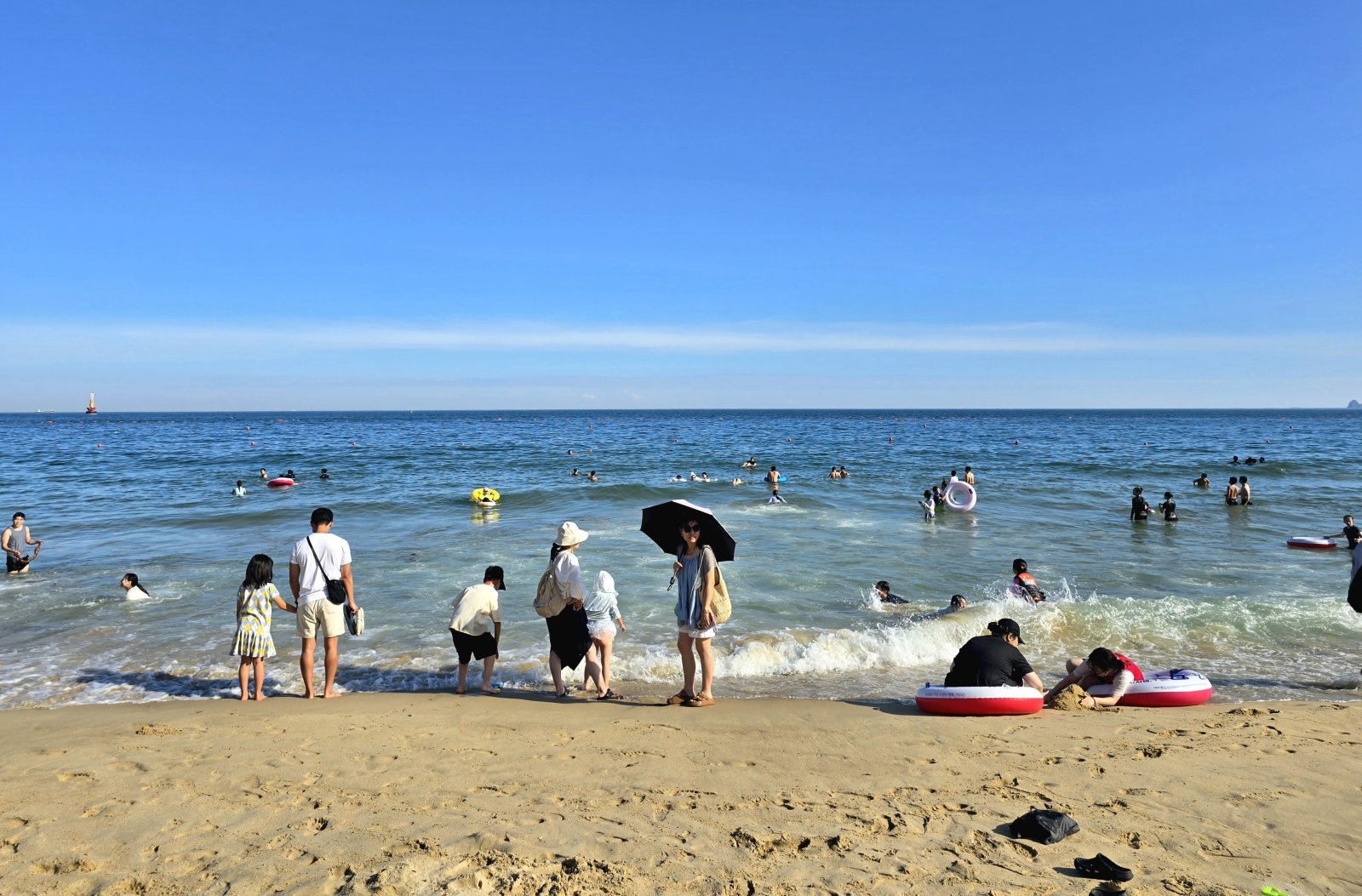

South Korea braces for peak heatwave with temperatures hitting 36°C and tropical nights
Translated from Korean, summarized and contextualized by DistantNews.
At a glance
News
Sources not specified
Context piece
- South Korea is bracing for intense heat, with daytime temperatures expected to reach 36 degrees Celsius (97 Fahrenheit) and tropical nights.
- Most regions will experience high perceived temperatures, with some areas like Gyeongsang Province feeling as hot as 35 degrees Celsius.
- Authorities are urging caution regarding heatstroke and advising the public to take precautions against the extreme weather.
South Korea is set to experience a sweltering weekend, with forecasts predicting daytime temperatures soaring up to 36 degrees Celsius (97 Fahrenheit) and the continuation of uncomfortable tropical nights. The heatwave is expected to affect most parts of the country, with perceived temperatures hovering around 33 degrees Celsius, making conditions feel exceptionally hot.
The weather agency anticipates generally cloudy skies across the nation, with scattered showers possible in inland areas. Jeju Island is expected to see rain starting in the afternoon. Despite the cloud cover, the mercury will rise significantly, with daytime highs ranging from 29 to 36 degrees Celsius. Many areas are forecast to exceed 30 degrees Celsius, and Gyeongsang Province could feel as hot as 35 degrees Celsius due to humidity.
Heatwave advisories may be expanded, and regions like the Gangwon coast, parts of Chungcheong and Jeonbuk provinces, Gyeongsang, and Jeju Island are likely to experience continued warmth even after sunset. Jeju Island is also expected to receive rainfall from the late afternoon, with coastal areas facing strong swells.
Given the persistent high temperatures and the likelihood of tropical nights, the Korea Meteorological Administration is urging the public to exercise extreme caution. They are advising citizens to be vigilant about heatstroke and take necessary measures to protect themselves from the intense heat and humidity. The forecast highlights the need for public awareness and preparedness for the ongoing extreme weather conditions.
DistantNews Editorial
Originally published by Hankyoreh in Korean. Translated, summarized, and contextualized by our editorial team with added local perspective. Read our editorial standards.
More Stories


From Our Blog

What Gets Lost (and Found) When News Is Translated

The Critical Role of Diaspora Media in Global News

What Travellers Should Know About Countries with Restricted Press

A Digital Nomad's Guide to Following Local News

How the Same Story Looks Different in Different Countries
