

Heatwave strains wildlife: How you can help
Translated from German, summarized and contextualized by DistantNews.
At a glance
News
From a news agency
Context piece
- German nature conservationists urge the public to help wildlife during a heatwave.
- Simple measures like providing water sources and creating insect-friendly gardens can significantly aid animals.
- Proper garden maintenance, such as delaying hedge trimming, also supports wildlife during hot weather.
As a heatwave grips Germany, nature conservation groups in Hessen are calling on residents to actively assist local wildlife. With natural water sources like streams and puddles drying up, the need for water among animals such as dormice, hedgehogs, birds, and bees is increasing.
Josephine Bruhn, a conservation officer for BUND Hessen, suggests that setting up "drinking stations" is a simple yet effective way to help. She recommends placing several shallow water dishes made of clay, stone, or ceramic in various locations. For smaller animals like hedgehogs, these should be on the ground, while bird baths are best placed at a higher elevation to protect them from predators like cats.
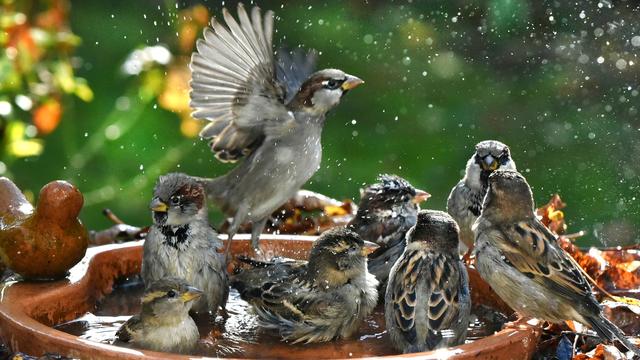
Maik Sommerhage, state chairman of Nabu Hessen, emphasizes the importance of providing safe access for insects. He advises equipping any open water source with a branch, stone, or piece of wood to serve as a landing spot and a "life raft" for insects. Sommerhage also notes that these water stations offer excellent opportunities for observing garden birds as they drink or splash.
To prevent water sources from becoming breeding grounds for germs, conservationists stress the need for daily water changes and regular cleaning of the dishes. They also advise placing these stations in shaded areas rather than in direct sunlight. Additionally, naturnah (nature-oriented) gardens can offer refuge. A less frequently mowed, taller lawn retains more moisture and helps cool the surroundings, while a herb or wildflower meadow is even more resilient to drought and provides vital food for insects. Sommerhage cautions against trimming hedges during the current heat, as many wild animals seek shelter in the cool foliage, waiting for the evening. Generally, hedges should only be cut back after the bird breeding season ends in late July.
DistantNews Editorial
Originally published by Die Zeit in German. Translated, summarized, and contextualized by our editorial team with added local perspective. Read our editorial standards.
More Stories

From Our Blog

What Gets Lost (and Found) When News Is Translated

How the Same Story Looks Different in Different Countries

The Critical Role of Diaspora Media in Global News

What Travellers Should Know About Countries with Restricted Press

A Digital Nomad's Guide to Following Local News
