

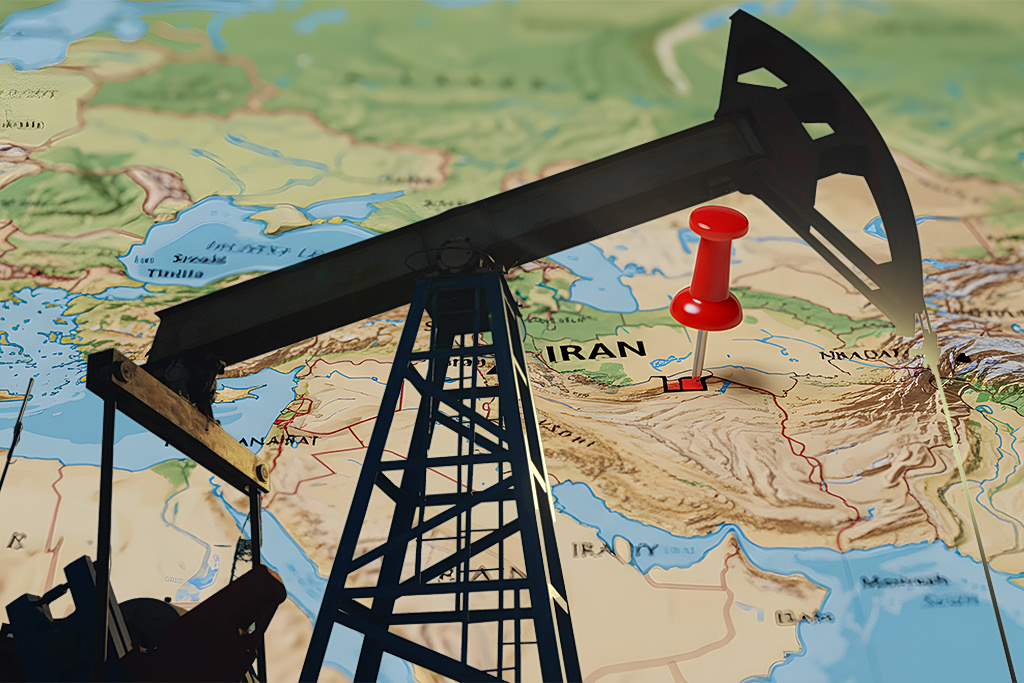

Heatwave to test Greece's electricity grid
Translated from Greek, summarized and contextualized by DistantNews.
At a glance
News
Sources not specified
Context piece
- Greece's electricity grid faces increased demand due to high temperatures, potentially reaching 9,000 MW.
- The Ptolemaida 5 power plant operates at maximum capacity during heatwaves when renewable energy production is low.
- Authorities are monitoring the situation to ensure grid stability amid the challenging weather conditions.
Greece's electricity grid is bracing for a significant surge in demand as high temperatures continue to grip the country. Projections indicate that electricity consumption could rise from 6,500 MW to as much as 9,000 MW, putting considerable strain on the national power infrastructure.
During periods of intense heat, the Ptolemaida 5 power plant, a crucial lignite-fired facility, operates at its maximum capacity. This is particularly vital when the output from renewable energy sources, such as solar and wind power, diminishes due to unfavorable weather conditions. The plant's consistent operation is essential to meet the heightened demand and prevent potential blackouts.
Grid operators are closely monitoring the situation, implementing measures to ensure the stability and reliability of the electricity supply. The combination of extreme weather and fluctuating renewable energy generation presents a complex challenge for maintaining a consistent power flow across the country. Authorities are working to balance supply and demand, emphasizing the need for energy conservation during peak hours.
DistantNews Editorial
Originally published by Kathimerini in Greek. Translated, summarized, and contextualized by our editorial team with added local perspective. Read our editorial standards.
More Stories

From Our Blog

What Gets Lost (and Found) When News Is Translated

The Critical Role of Diaspora Media in Global News

What Travellers Should Know About Countries with Restricted Press

A Digital Nomad's Guide to Following Local News

How the Same Story Looks Different in Different Countries
