

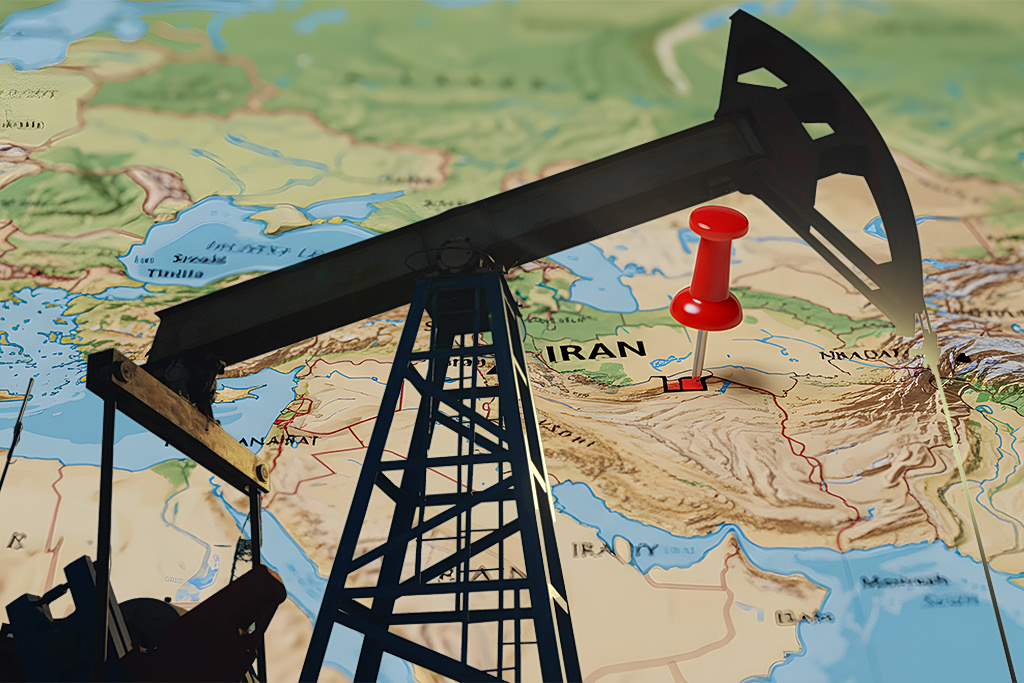
Iranian oil: Asian oceans are becoming a 'floating storage'
Translated from Greek, summarized and contextualized by DistantNews.
At a glance
News
Sources not specified
Context piece
- Dozens of oil tankers carrying Iranian crude are adrift in Asian waters, creating a "floating storage" situation.
- This reflects Tehran's difficulties in rejoining the global energy market, despite a temporary U.S. easing of export restrictions.
- Over 58 million barrels of Iranian oil are currently at sea, with limited demand and uncertainty over U.S. policy deterring buyers.
An unprecedented scene is unfolding in Asian waters, where dozens of tankers laden with Iranian oil are sailing without a clear destination. These vessels form a unique "queue" in the Persian Gulf, Indian Ocean, and Strait of Malacca, either anchored or moving slowly as they await buyers. This situation highlights the ongoing challenges Tehran faces in reintegrating into the global energy market.
Despite the U.S. temporarily easing export restrictions in late June as part of a fragile de-escalation agreement, markets remain more cautious than Tehran anticipated. Shipping data reveals over 20 million barrels of crude have been immobilized in Asian waters for at least a week. The total volume of Iranian oil at sea, either in transit or waiting, is estimated between 58 and 68 million barrels. Over 90% of these shipments lack a definitive destination, with many tankers listing Singapore as their next port or stating they are "awaiting orders."
The current market conditions are highly unfavorable for Iran. During the Strait of Hormuz crisis, many Asian countries secured supplies from other producers, filling their refinery inventories. Consequently, demand for new imports has drastically decreased. Furthermore, uncertainty surrounding the duration of U.S. policy creates additional hesitation. Washington has set a 60-day window for export normalization, with the possibility of reimposing sanctions if negotiations stall.
This uncertainty makes many banks, insurers, and energy groups consider Iranian oil a high-risk commodity. European and British sanctions remain in place, and several tankers used by Tehran belong to a "shadow fleet," complicating insurance and access to major ports. China, Iran's largest customer even during sanctions, is now more reserved. Independent Chinese refineries are operating at decade lows, reducing import needs, while state-owned companies await clarity on financing and banking transactions.
DistantNews Editorial
Originally published by Ta Nea in Greek. Translated, summarized, and contextualized by our editorial team with added local perspective. Read our editorial standards.
More Stories


From Our Blog

What Gets Lost (and Found) When News Is Translated

The Critical Role of Diaspora Media in Global News

What Travellers Should Know About Countries with Restricted Press

A Digital Nomad's Guide to Following Local News

How the Same Story Looks Different in Different Countries
