

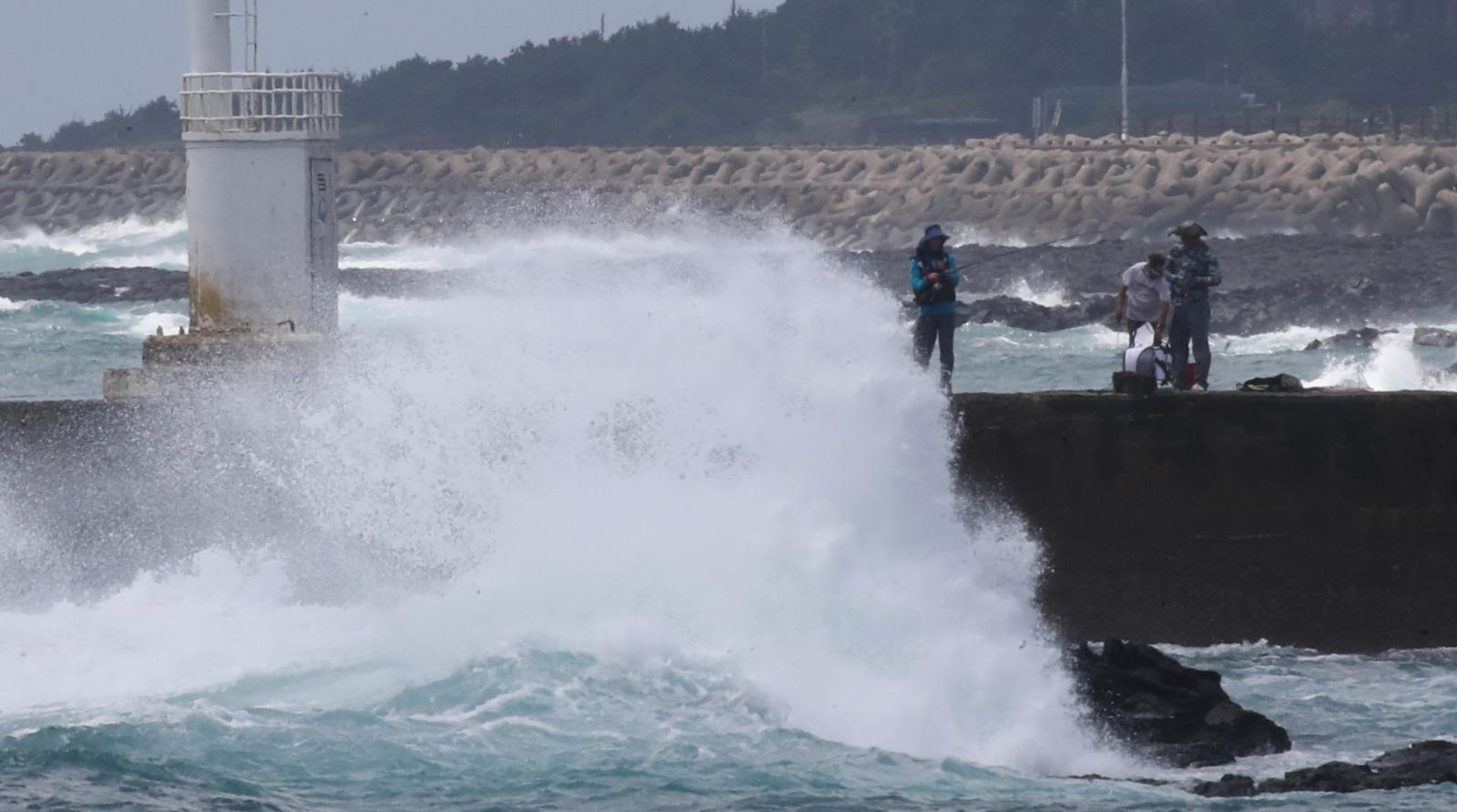

Heavy rain hits South Korea’s North Jeolla for third day, causing 96 facility damage reports but no casualties
Translated from Korean and summarized by DistantNews. Read the original for the full story.
At a glance
News
Official statement
Ongoing story
- North Jeolla recorded an average of 126.5 millimeters of rain by 6 a.m., with Gunsan receiving 264.1 millimeters, the region’s highest total.
- Authorities received 96 reports of damage, including flooding at homes, shops and roads, while no casualties had been reported.
- Roads, trails, parking areas and other facilities remained closed, and forecasters expected additional heavy rain in western parts of the province.
Heavy rain continued across South Korea’s North Jeolla province for a third day, flooding homes, shops and roads while causing 96 reports of facility damage. Authorities said no casualties had been recorded.
By 6 a.m. on the 31st, the province had received an average of 126.5 millimeters of rain. Gunsan recorded the highest total at 264.1 millimeters, followed by Imsil, Gochang, Buan and Iksan. Heavy rain warnings remained in effect for Gochang and Buan, with advisories issued for Gunsan, Iksan and Gimje.
The reported damage included 18 flooded homes, 14 flooded businesses, three flooded vehicles, one flooded building parking lot and 34 flooded roads. Authorities also closed three riverside roads, seven sections of river trails, two riverside parking areas and 34 park routes.
National Route 60 in Namwon’s Jucheon-myeon area remained closed because of the risk of falling rocks. Officials planned emergency work before reopening the road on Sept. 1.
North Jeolla entered emergency duty on the 29th. A total of 1,568 provincial and local officials, firefighters, police officers and soldiers were on duty, while authorities had inspected 9,376 vulnerable facilities and rainwater drains. Forecasts called for 20 to 80 millimeters of rain in western areas, with some locations receiving more than 120 millimeters.
About this summary
Originally published by Hankyoreh in Korean. Translated, summarized, and contextualized automatically by DistantNews, with a note on how the source frames the story. Not individually reviewed before publishing. How this works.
More Stories
From Our Blog

What Gets Lost (and Found) When News Is Translated

The Critical Role of Diaspora Media in Global News

What Travellers Should Know About Countries with Restricted Press

A Digital Nomad's Guide to Following Local News

How the Same Story Looks Different in Different Countries
