



Helsinki mortuary reborn as summer wine bar and cultural hub
Translated from Finnish and summarized by DistantNews. Read the original for the full story.
At a glance
News
Named sources
Context piece
- A former mortuary in Helsinki's Dallapénpuisto has been transformed into a summer wine bar and cultural space called Harjun Mori.
- The building, constructed in 1923, previously served as a youth center from 1986 to 2019, supporting emerging musicians.
- The new venture aims to provide a low-threshold venue for aspiring artists and cultural events, addressing recent funding cuts in the arts and hospitality sectors.
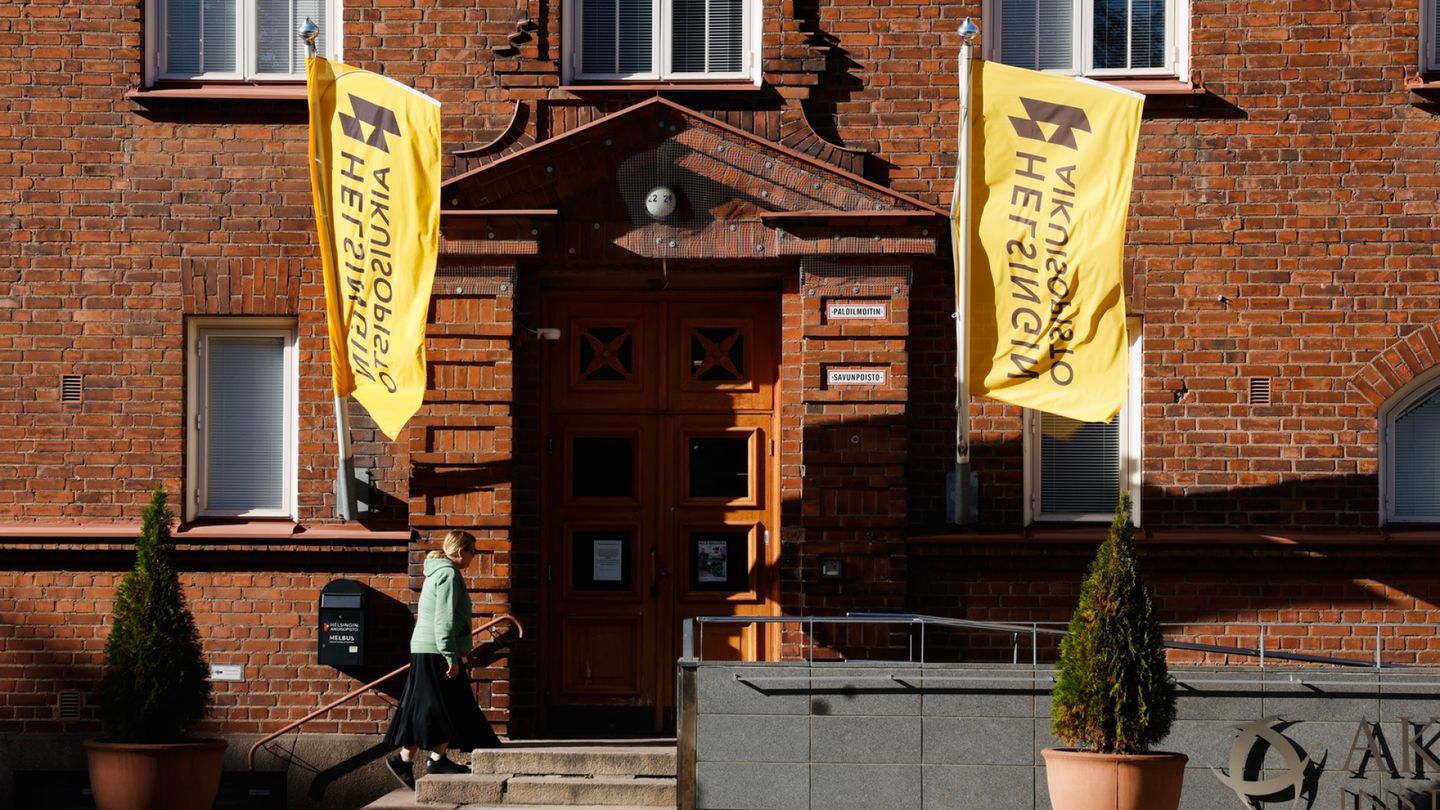
Helsinki's historic Harjun mortuary, a red brick building standing for over a century, has shed its somber past to embrace a vibrant new life this summer. The building, originally constructed in 1923, now houses Harjun Mori, a cafe and wine bar that opened its doors on Thursday.
Yes, it's nerve-wracking.
Beyond beverages, the space will feature rotating designer products and host concerts, cultural, and wellness events. This initiative breathes new life into a structure that previously served as a youth center from 1986 to 2019. During its time as a youth hub, it nurtured the early careers of numerous Finnish artists, including Maija Vilkkumaa, Jimi Tenor, and Mariska.
The entrepreneurs behind Harjun Mori, Outi Somervuori and Tiina Wright, aim to revive this supportive environment for emerging artists. They recognize the current challenges facing the restaurant and cultural sectors, with a record number of restaurants closing in Helsinki last year and significant cuts to cultural funding. "Yes, it's nerve-wracking," Somervuori and Wright admit about opening a venue like Harjun Mori. However, they are encouraged by the positive reception, noting a clear demand in Helsinki for a platform where budding artists can showcase their talents.
Helsinki has clearly had a need for a place where aspiring artists can get exposure.
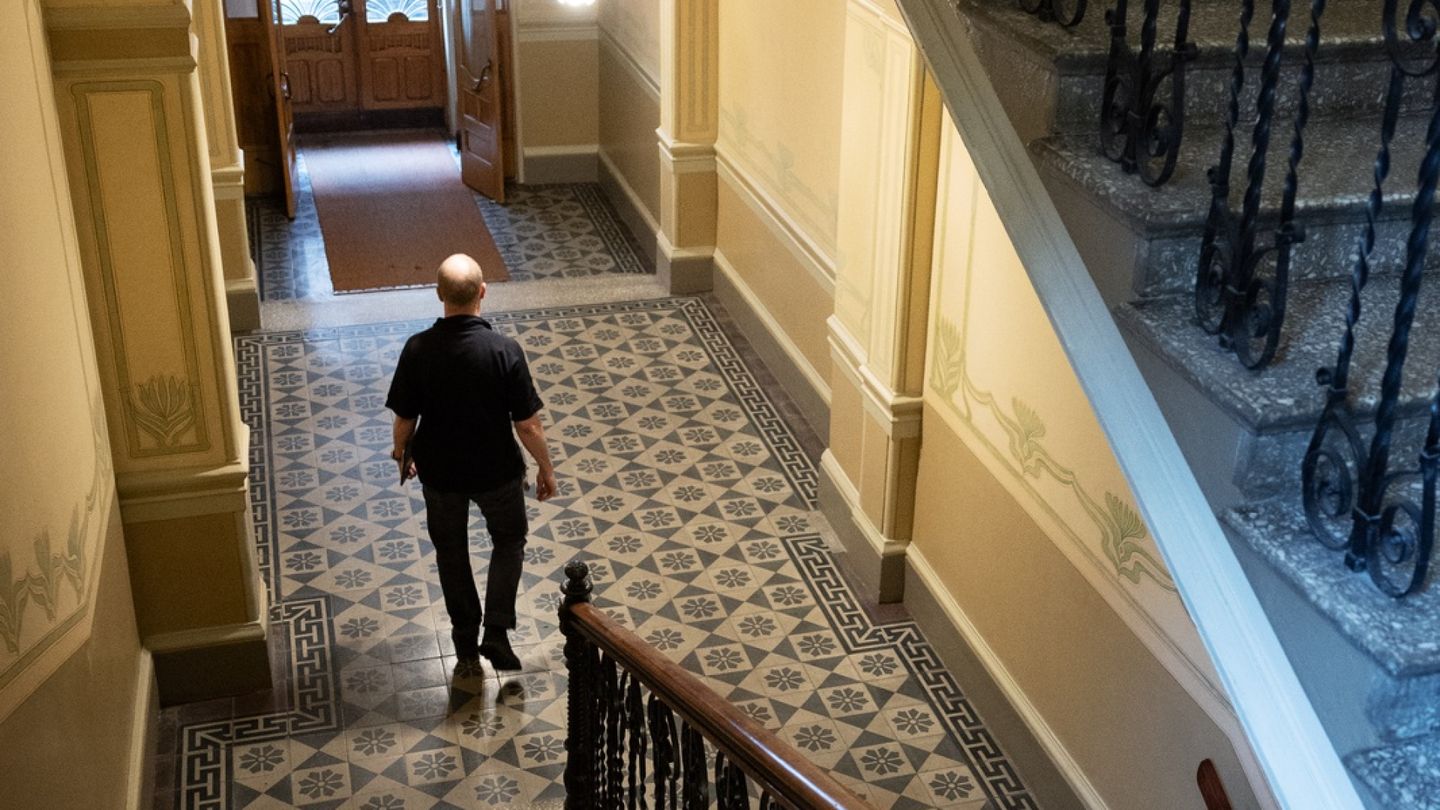
While the interior design deliberately avoids emphasizing the building's mortuary history to ensure a comfortable atmosphere for younger patrons, the exterior offers spaces for relaxation. The mortuary, designed by Albert Nyberg, also has a historical connection to transportation, as a corpse train stopped behind the building from 1924 to 1954, carrying the deceased to their final resting place at the Malmi Cemetery. The building has been available for experimental use since last August, with previous pop-up cafes and cultural spaces operating within its walls.
The goal is to bring light to fields that might otherwise be filled with despair.
About this summary
Originally published by Helsingin Sanomat in Finnish. Translated, summarized, and contextualized automatically by DistantNews, with a note on how the source frames the story. Not individually reviewed before publishing. How this works.
More Stories
From Our Blog

News in Translation: What Gets Lost, and How We Keep the Framing

Diaspora Media: How Communities Abroad Follow Home

Traveling Where the Press Is Not Free: How to Read the News There

The Digital Nomad's Guide to Local News

The Same Story, Different Countries: How Coverage Changes at the Border
