


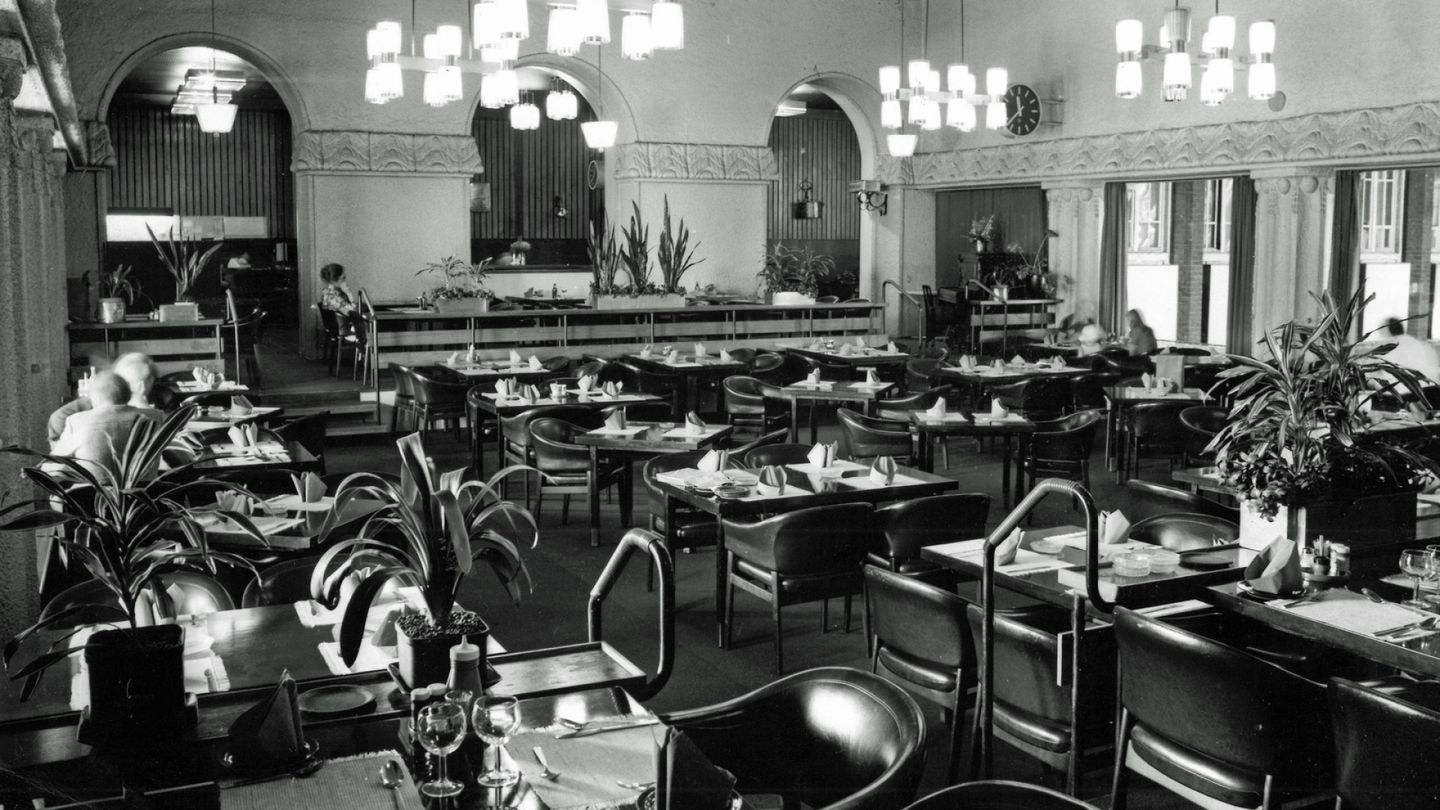
Helsinki's traveler dining in 1976: Indifferent service and mixed meals
Translated from Finnish, summarized and contextualized by DistantNews.
At a glance
In-depth
Sources not specified
Context piece
- A 1976 review of Helsinki's dining options for travelers found inconsistent service across train stations, airports, and harbors.
- The review detailed the offerings and prices at various establishments, noting both positive and negative aspects of the food and atmosphere.
- Separately, a report highlighted the success of the North Karelia Project in reducing stroke cases by nearly half in three years.
A 1976 review of Helsinki's dining scene for travelers revealed a consistent theme: indifferent service across various transportation hubs. Whether departing by bus, train, or plane, travelers encountered establishments with a similar lack of attentiveness.
The railway station restaurant offered a distinct ambiance with sturdy chairs and vibrant tablecloths, serving lunch and dinner between 11 a.m. and 5 p.m. Prices ranged from 12.50 to 17 Finnish marks for main courses. Dishes included omelets, fried pollock, and pork sauce, with a vegetable omelet praised for its preparation, though the rhubarb kissel was noted as lumpy.
At Helsinki Airport, the restaurant's window tables were full by the end of lunch hour, yet no women were present except for the staff. The decor was described as muted, with a mix of greens and reds. A three-course lunch cost between 18 and 24 marks, depending on the main course. The pea soup was deemed too "homely" for the "jet set," while the chicken with mayonnaise starter felt like a reminder of yesterday's meal.
The Eteläranta passenger pavilion, owned by the War Invalids' Fellowship, also housed a restaurant called Tuuliviiri. This spot attracted local office workers, wanderers, and tourists. The reviewer noted that Helsinki is a coastal city, a fact reinforced by the restaurant's offerings. The Russian herring, priced at 7.50 marks, was highlighted as a generous and summery specialty. However, the minute steak, at 16 marks, was pounded to shreds before cooking, and the schnitzel, while correctly prepared with cheese and ham, was served with excessively greasy French fries.
In a separate report, the North Karelia Project in Finland was achieving significant success. The number of stroke cases in the region had decreased by nearly half in three years. The rise in severe heart attacks had stopped and was beginning to decline. Experts from the World Health Organization's European region were meeting in Koli to discuss the project, which aimed to improve the health statistics of a province known for having some of the highest cardiovascular disease rates globally. The project was pioneering an approach to eliminate disease risk factors by changing societal habits and customs, with chief researcher Pekka Puska confirming that smoking, a high-fat, cholesterol-rich diet, and lack of exercise were indeed contributing factors.
DistantNews Editorial
Originally published by Helsingin Sanomat in Finnish. Translated, summarized, and contextualized by our editorial team with added local perspective. Read our editorial standards.
More Stories



From Our Blog

What Gets Lost (and Found) When News Is Translated

The Critical Role of Diaspora Media in Global News

What Travellers Should Know About Countries with Restricted Press

A Digital Nomad's Guide to Following Local News

How the Same Story Looks Different in Different Countries
