

Hermosillo reduces insecurity perception to lowest level in two years, ranks among safest capitals
Translated from Spanish, summarized and contextualized by DistantNews.
At a glance
News
Documents & data
Context piece
- Hermosillo's perception of insecurity dropped to 43.2% in June 2026, the lowest in two years, according to an Inegi survey.
- This figure is 16.6 percentage points below the national average of 59.8%, placing Hermosillo among the safest capitals.
- The city also leads in the largest reduction of insecurity perception since September 2021, decreasing by 23.6 percentage points.
Hermosillo has seen a significant decrease in the perception of insecurity among its residents, reaching its lowest point in two years. In June 2026, only 43.2% of inhabitants reported feeling insecure, a notable drop from 47.8% in March of the same year and 50.3% in June 2025, according to the National Urban Public Security Survey (ENSU) by Inegi.
This improved perception places Hermosillo considerably below the national average. The national figure stood at 59.8% during the same period, making Hermosillo 16.6 percentage points lower and positioning it among the Mexican capitals with the best security indicators. The data also highlights Hermosillo's leading position in the country for the most substantial reduction in insecurity perception since September 2021, when the rate was 66.8%.
In a comparative analysis with other northern Mexican cities, Hermosillo demonstrates a more favorable security outlook. It recorded lower insecurity perception percentages than Ciudad Obregón (82.4%), Culiacán (90.8%), Reynosa (86.6%), and Mazatlán (78.4%) as of the second quarter of 2026.
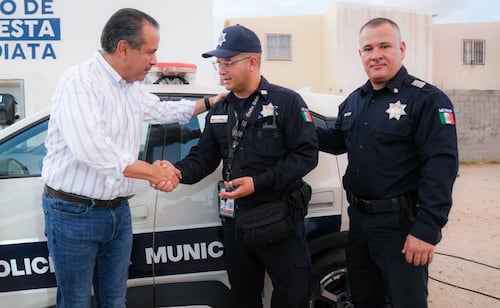
The Hermosillo City Council attributes these positive results to coordinated security efforts between municipal, state, and federal authorities during the current administration led by Mayor Antonio Astiazarán. This collaborative approach appears to be effectively enhancing the sense of safety within the capital of Sonora.
DistantNews Editorial
Originally published by El Universal in Spanish. Translated, summarized, and contextualized by our editorial team with added local perspective. Read our editorial standards.
More Stories
From Our Blog

What Press Freedom Means for the News You Read

What Gets Lost (and Found) When News Is Translated

The Critical Role of Diaspora Media in Global News

What Travellers Should Know About Countries with Restricted Press

A Digital Nomad's Guide to Following Local News
