


Hesse Eases Trucking Rules Amid Rhine Low Water Crisis
Translated from German, summarized and contextualized by DistantNews.
At a glance
News
Official statement
Context piece
- Hesse, Germany, is expanding measures to support truck transport due to low water levels in the Rhine River hindering barge traffic.
- The state will suspend Sunday and holiday driving bans for large and heavy transports up to 44 tons.
- These measures aim to stabilize supply chains where water and rail transport are insufficient.
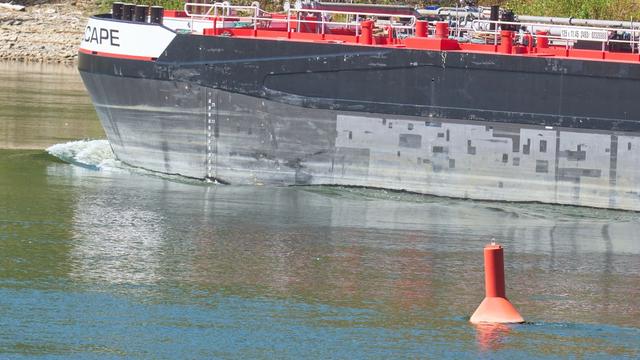
Due to persistent low water levels in the Rhine River, which significantly impede barge traffic, the German state of Hesse is intensifying its support for road freight transport. Experts anticipate no immediate relief from the low water situation, prompting the state government to take further action.
The Ministry of Transport in Wiesbaden announced that the existing suspension of the Sunday and holiday driving ban for trucks will be extended. This suspension will now include large and heavy transports weighing up to 44 tons. This measure is intended to help stabilize supply chains that are being disrupted by the limitations on waterborne freight.
"Where transport by water is no longer possible as usual and rail also offers only limited additional capacity, we must act pragmatically," stated Transport Minister Kaweh Mansoori (SPD). Hesse had already temporarily lifted the Sunday driving ban for normal trucks exceeding 7.5 tons on August 11. The current extension is in effect until August 31.
Where transport by water is no longer possible as usual and rail also offers only limited additional capacity, we must act pragmatically.
DistantNews Editorial
Originally published by Die Zeit in German. Translated, summarized, and contextualized by our editorial team with added local perspective. Read our editorial standards.
More Stories



From Our Blog

What Gets Lost (and Found) When News Is Translated

How the Same Story Looks Different in Different Countries

The Critical Role of Diaspora Media in Global News

What Travellers Should Know About Countries with Restricted Press

A Digital Nomad's Guide to Following Local News
