

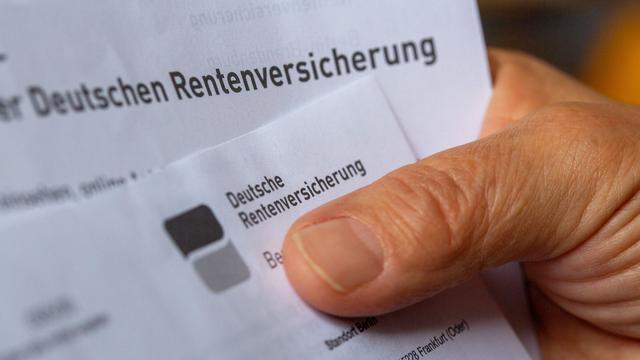

Hesse parliament approves new pay model for state employees
Translated from German and summarized by DistantNews. Read the original for the full story.
At a glance
Newswire
Named sources
Approved/passed
- Hesse’s parliament approved pay increases for state civil servants, including a 3% rise retroactive to July 1, 2026, with a minimum increase of 110 euros per month.
- A further 2.8% increase will take effect on Oct. 1, 2027, while the law also replaces the single-earner model with a family-income model.
- Opposition lawmakers questioned the constitutionality of counting a fictional partner income and criticized the lack of a hardship provision for single parents.
Hesse’s parliament has approved a new pay model for state civil servants, combining salary increases with a different way of calculating family-related benefits.
The agreement reached for state employees will also apply to civil servants. Their pay will rise by 3%, with a minimum increase of 110 euros per month, retroactive to July 1, 2026. A second increase of 2.8% will follow on Oct. 1, 2027. The governing coalition of the CDU and SPD backed the bill.
The legislation replaces the existing single-earner model with a family-income model. For a family with two children, the system will count a fictional monthly income of almost 1,000 euros for the second adult. The family allowance for each of the first two children will increase by 87 euros, and the starting salary for civil servants will rise slightly.
Legally questionable
Opposition lawmakers raised constitutional concerns during the debate. Green party member Christoph Sippel called the fictional partner income “legally questionable” and said Hesse was using arbitrary sums instead of clear criteria such as the subsistence minimum used by other states. He also criticized the absence of a hardship rule for single parents, which he said had become standard in almost all other federal states.
FDP lawmaker Moritz Promny said a legal expert had identified a need for improvements to the family-income model. AfD lawmaker Sandra Weegels said the state planned to count income whose existence it could not know. Interior Minister Roman Poseck defended the change, saying almost all federal states had adopted or were planning a similar model.
While other federal states use clear criteria such as the subsistence minimum, Hesse relies on arbitrary sums.
About this summary
Originally published by Die Zeit in German. Translated, summarized, and contextualized automatically by DistantNews, with a note on how the source frames the story. Not individually reviewed before publishing. How this works.
More Stories


From Our Blog

What Gets Lost (and Found) When News Is Translated

How the Same Story Looks Different in Different Countries

The Critical Role of Diaspora Media in Global News

What Travellers Should Know About Countries with Restricted Press

A Digital Nomad's Guide to Following Local News
