


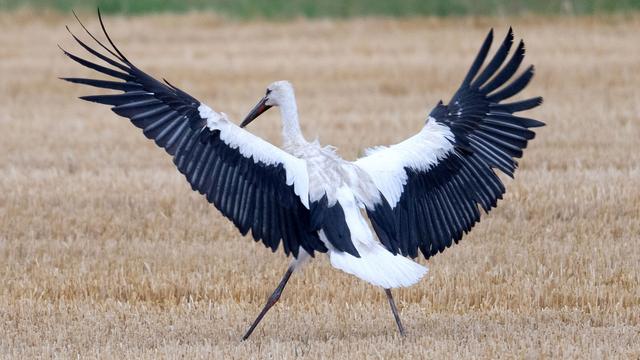
Hessen's High Stork Density: A Conservation Success Story
Translated from German, summarized and contextualized by DistantNews.
At a glance
In-depth
Sources not specified
Context piece
- Hessen, Germany, boasts a remarkably high density of storks compared to other regions.
- This abundance is attributed to a combination of favorable environmental conditions and dedicated conservation efforts.
- The region's success serves as a model for stork population recovery elsewhere.
Hessen, Germany, stands out for its exceptionally high concentration of storks, a phenomenon that has captivated conservationists and nature enthusiasts alike. The region's success in fostering a thriving stork population is not accidental but rather the result of a carefully cultivated environment and sustained conservation initiatives.
Several factors contribute to Hessen's status as a stork haven. The landscape offers ideal nesting sites, often on rooftops and in tall trees, providing the security and elevation these large birds require. Furthermore, the availability of suitable foraging grounds, such as wetlands and meadows rich in insects and small prey, ensures a consistent food supply throughout the breeding season.
Beyond the natural advantages, dedicated conservation efforts play a crucial role. Local communities and environmental organizations have actively worked to protect stork habitats, install nesting platforms, and monitor population health. These initiatives have created a supportive ecosystem where storks can breed and raise their young successfully, leading to the impressive densities observed today.
The remarkable stork population in Hessen serves as an inspiring example of successful wildlife conservation. It demonstrates how targeted efforts, combined with favorable natural conditions, can lead to significant population recovery and provide valuable insights for similar conservation projects in other regions facing declining stork numbers.
DistantNews Editorial
Originally published by Die Zeit in German. Translated, summarized, and contextualized by our editorial team with added local perspective. Read our editorial standards.
More Stories



From Our Blog

What Gets Lost (and Found) When News Is Translated

How the Same Story Looks Different in Different Countries

The Critical Role of Diaspora Media in Global News

What Travellers Should Know About Countries with Restricted Press

A Digital Nomad's Guide to Following Local News
