

Hidalgo to relocate over 2,000 homes affected by rains; Sedatu defines risk-free zones
Translated from Spanish, summarized and contextualized by DistantNews.
At a glance
News
Named sources
New plan
- Over 2,300 homes in Hidalgo, Mexico, affected by monsoon rains in October 2025 are eligible for relocation.
- The program aims to move families from risk zones to safer areas, with final stages involving technical assessments.
- Challenges include finding suitable land, leading authorities to consider direct financial aid for families to choose their own relocation sites.
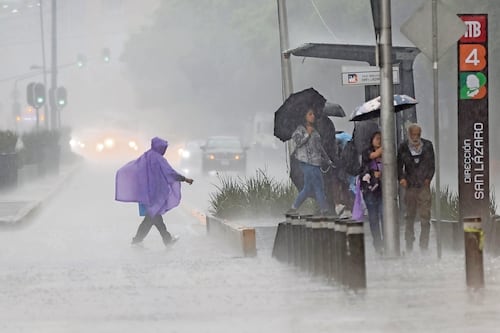
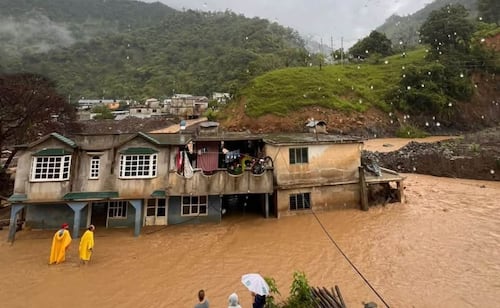
Hidalgo, Mexico, is preparing to relocate over 2,300 homes that were impacted by the monsoon rains of October 2025. Julio Valera Piedras, head of the Secretariat for Agrarian, Territorial, and Urban Development (Sedatu), stated that these residences are candidates for a relocation program designed to move families to areas outside of recognized risk zones.
The relocation program is in its final stages, following extensive technical studies. Geologists, surveyors, engineers, and other specialists collaborated with Civil Protection to identify risk polygons in the 28 municipalities that suffered damage from the intense rains. These studies determined the level of risk for residents and their eligibility for relocation.
Initially, 2,866 homes were assessed, with 2,390 meeting the criteria for the program. However, the final number may change based on family decisions and adherence to technical standards. A significant hurdle has been the scarcity of suitable land in affected areas, particularly in the Sierra and Otomí-Tepehua regions, due to the rugged geography.
To address the land shortage, authorities are exploring the possibility of providing direct financial assistance. This would allow families to select their own plots for new homes, though all proposed sites will undergo risk assessment before construction begins. Many affected families have indicated they possess suitable land. Informative assemblies will be held soon for eligible families to finalize necessary documentation for the program, with federal and state authorities providing ongoing support.
DistantNews Editorial
Originally published by El Universal in Spanish. Translated, summarized, and contextualized by our editorial team with added local perspective. Read our editorial standards.
More Stories

From Our Blog

What Press Freedom Means for the News You Read

What Gets Lost (and Found) When News Is Translated

The Critical Role of Diaspora Media in Global News

What Travellers Should Know About Countries with Restricted Press

A Digital Nomad's Guide to Following Local News
