

Hidden license plate readers discovered along California-Arizona border
Translated from Spanish, summarized and contextualized by DistantNews.
At a glance
News
Sources not specified
Context piece
- A California resident discovered a network of hidden automated license plate readers (ALPRs) in trailers along the border with Arizona.
- These devices, deployed by federal agencies like Border Patrol, collect data on vehicles passing through strategic locations.
- Civil liberties advocates and humanitarian workers express concern that the surveillance infrastructure could be used to track volunteers and innocent residents.
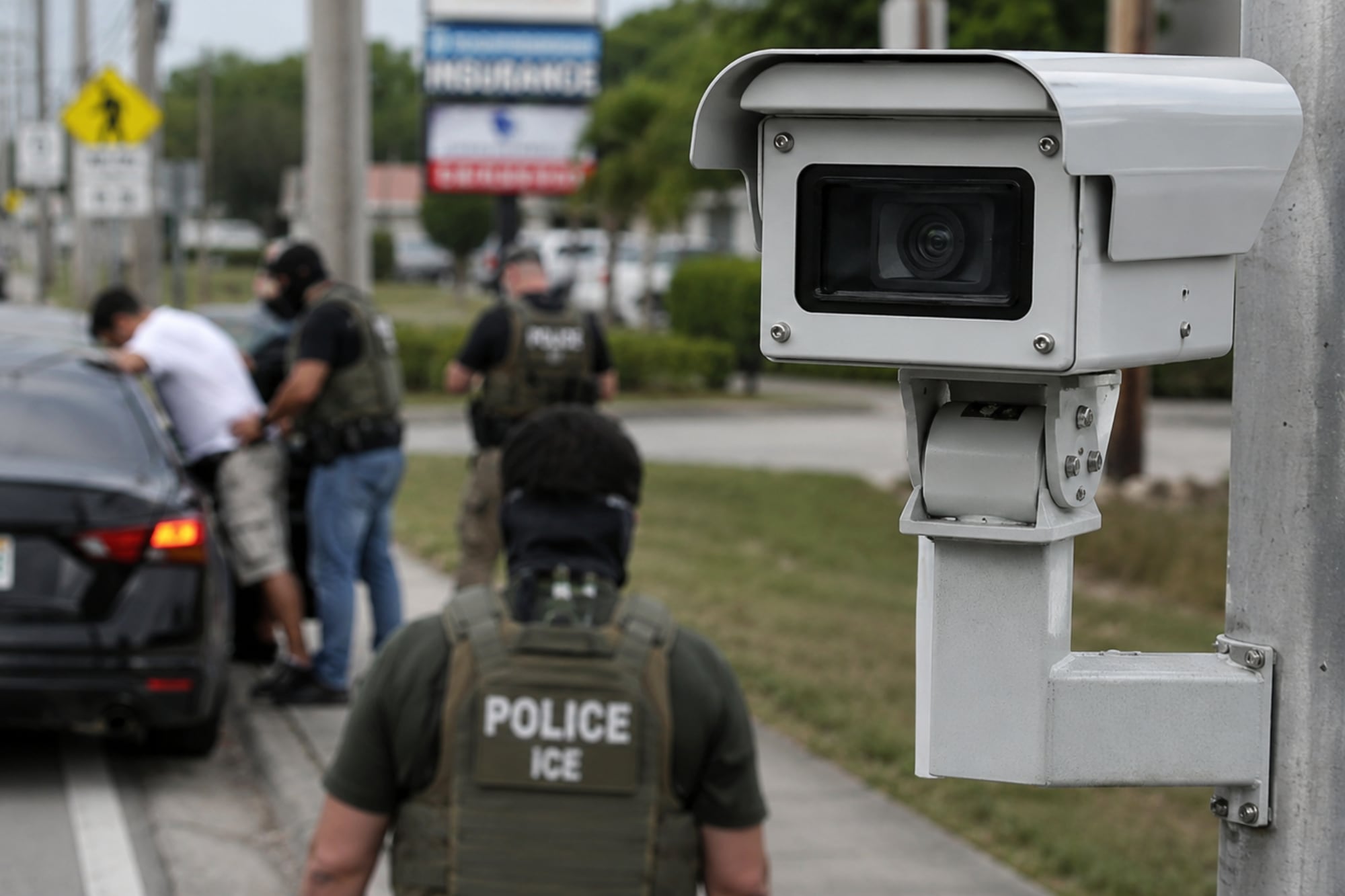
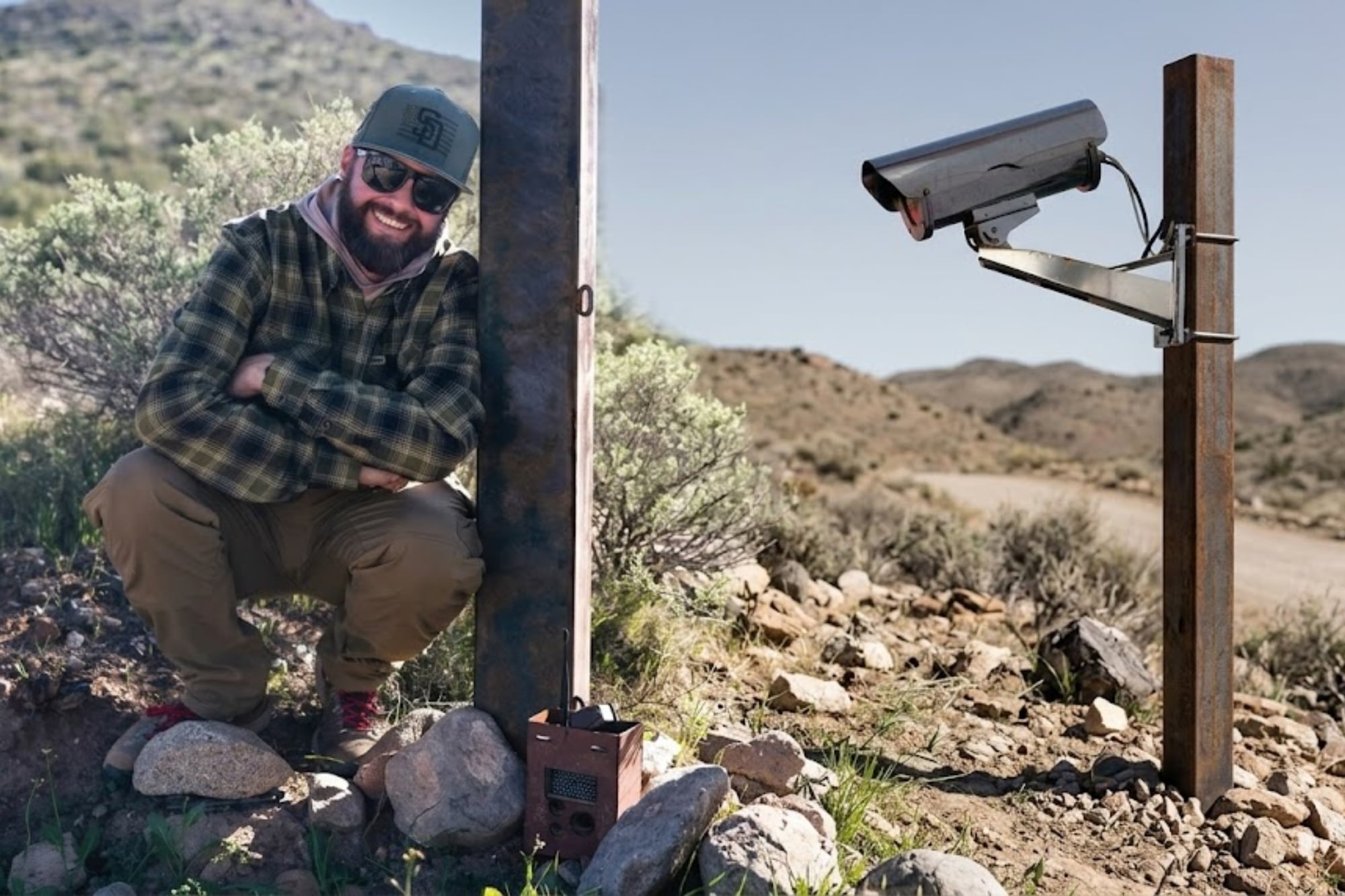
A seemingly abandoned trailer on the side of a California highway revealed a hidden surveillance operation: an automated license plate reader (ALPR) system part of a federal network monitoring traffic near the Arizona border. James Cordero, a San Diego County resident, stumbled upon the device and subsequently located dozens more, concealed within trailers and construction barrels along key routes like Interstate 8.
These ALPRs, reportedly installed after state permits were granted to federal agencies including Border Patrol during the Biden administration, are feeding data into monitoring programs. According to CalMatters, up to 40 of these readers are currently operational, capturing license plate numbers, vehicle details, and precise GPS coordinates with timestamps. The system also records surrounding imagery, potentially including drivers and passengers.
The deployment has sparked alarm among civil liberties defenders and humanitarian aid workers. Cordero, who assists people in remote areas, fears the technology will be misused to track and detain innocent individuals and volunteers. "I don't worry so much about my own situation, but about that of many of our volunteers," he stated, expressing concern about them facing "nonsense like being tracked or detained and interrogated."
Data collected by these ALPRs feeds into predictive intelligence programs designed to identify travel patterns and flag suspicious activities based on undisclosed criteria. The use of this technology has led to diplomatic and legal friction between federal and state governments, with some advocating for the revocation of permits for these ALPR cameras.
I don't worry so much about my own situation, but about that of many of our volunteers. I don't want them to have to deal with nonsense like being tracked or detained and interrogated.
DistantNews Editorial
Originally published by La Nación in Spanish. Translated, summarized, and contextualized by our editorial team with added local perspective. Read our editorial standards.
More Stories



From Our Blog

What Gets Lost (and Found) When News Is Translated

The Critical Role of Diaspora Media in Global News

What Travellers Should Know About Countries with Restricted Press

A Digital Nomad's Guide to Following Local News

How the Same Story Looks Different in Different Countries
