

High Electricity Consumption Drives AI Use in Guatemalan Industry for Greater Efficiency
Translated from Spanish, summarized and contextualized by DistantNews.
At a glance
News
Sources not specified
Context piece
- Guatemala's industrial sector accounts for 30-40% of the nation's electricity consumption, making energy efficiency crucial for competitiveness.
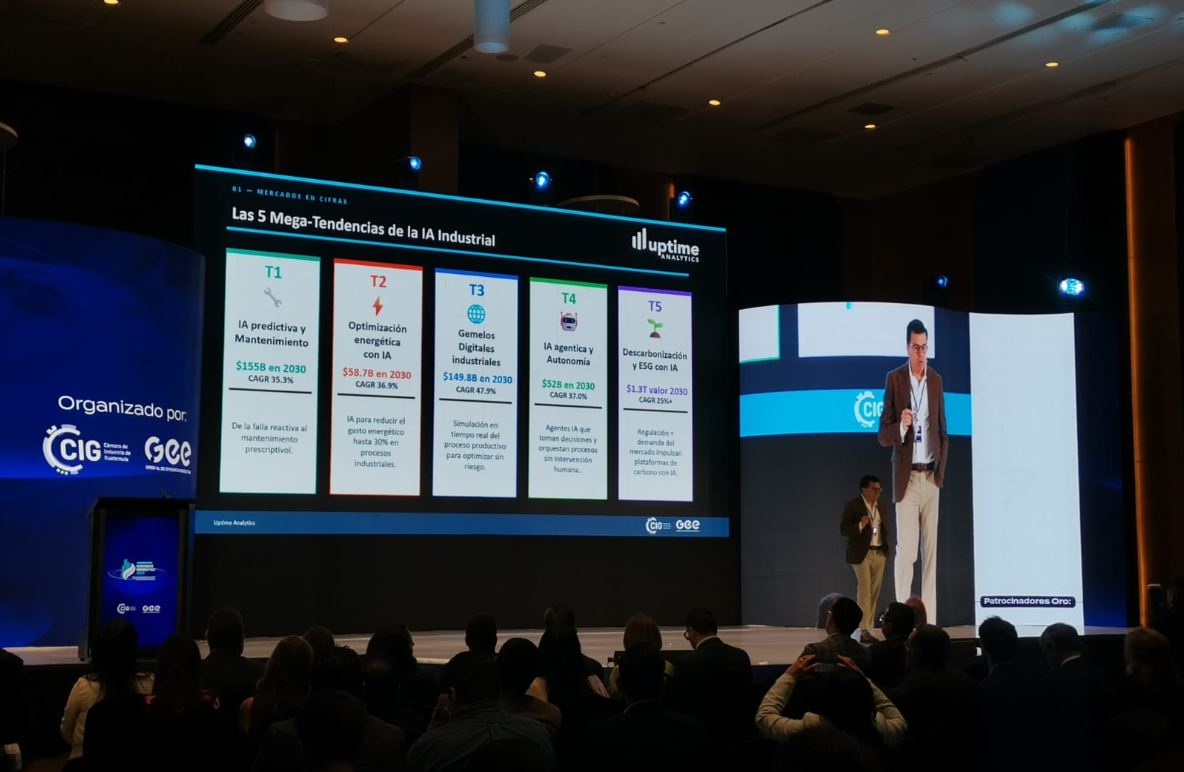
- The adoption of artificial intelligence (AI) is seen as a key strategy to improve energy efficiency in the industry.
- Industry leaders are calling for a national strategy involving government, academia, and industry to implement clear rules for energy use and efficient technologies.
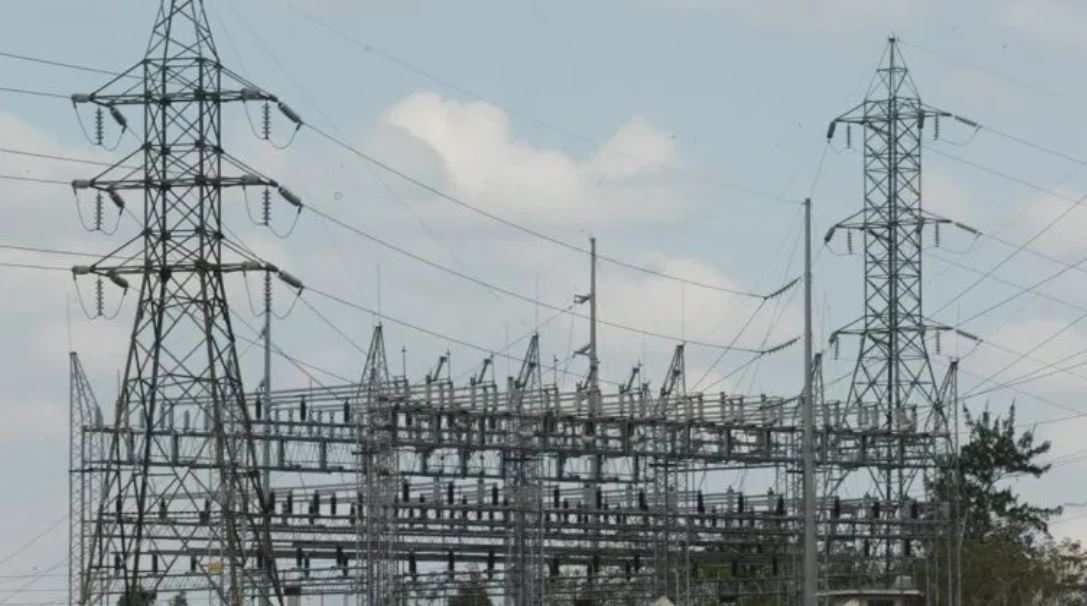
Guatemala's industrial sector is a significant consumer of electricity, accounting for 30% to 40% of the country's total energy usage, according to Jorge Carlos Escobar, president of the Guatemalan Energy Efficiency Association (GEE).
Escobar emphasized that energy efficiency has become a critical factor for the industry's competitiveness, productivity, and sustainable development. Stephanie Melville, vice president of the Chamber of Industry of Guatemala, echoed this sentiment, stating that efficiency directly impacts a company's ability to generate employment and attract investment.
Globally, approximately 76% of energy is utilized effectively, with 24% being wasted. Escobar sees a substantial opportunity for Guatemala to reduce this waste by implementing more efficient practices and technologies, including artificial intelligence (AI). He believes that even a modest improvement of 5% to 10% in energy efficiency could free up significant amounts of energy for other uses.
Energy efficiency has become a determining factor for the competitiveness, productivity, and sustainable development of industry in the country.
The primary energy consumers within the industry are electric motors (around 60%) and lighting (about 15%). Escobar recommends adopting high-efficiency technologies like high-performance motors and replacing outdated equipment. While these investments require capital, they offer a return through reduced electricity bills.
Some industries, such as sugar mills, cement, and textile factories, have already implemented self-generation systems, some dating back 20-25 years. More recently, medium-sized industries have adopted solar panels for self-generation, further enhancing energy efficiency. Escobar stressed the need for a national strategy, developed collaboratively by the government, academia, and industry, to establish clear guidelines for energy use, self-generation, and the implementation of efficient technologies. This, he argues, is essential for improving the country's competitiveness and reducing production costs.
If we as a country wanted to improve our competitiveness, reduce production prices and be able to take our products more competitively, there should be a country strategy between government, academia, industry and various sectors, to reach agreements, to be able to start implementing clear rules regarding the use of energy, self-generation and the implementation of efficient technologies.
DistantNews Editorial
Originally published by Prensa Libre in Spanish. Translated, summarized, and contextualized by our editorial team with added local perspective. Read our editorial standards.
More Stories

From Our Blog

What Gets Lost (and Found) When News Is Translated

The Critical Role of Diaspora Media in Global News

What Travellers Should Know About Countries with Restricted Press

A Digital Nomad's Guide to Following Local News

How the Same Story Looks Different in Different Countries
