

High-tech patch warns of dangerous sodium fluctuations
Translated from German, summarized and contextualized by DistantNews.
At a glance
News
Named sources
Context piece
- A new high-tech skin patch developed in Wiener Neustadt, Austria, can detect critical health biomarkers in interstitial fluid.
- The sensor technology, led by material scientist Youbin Zheng, aims to provide early disease detection and patient-friendly health monitoring.
- The patch can continuously measure important electrolytes like sodium, offering a significant advantage over intermittent blood tests for hospitalized patients.
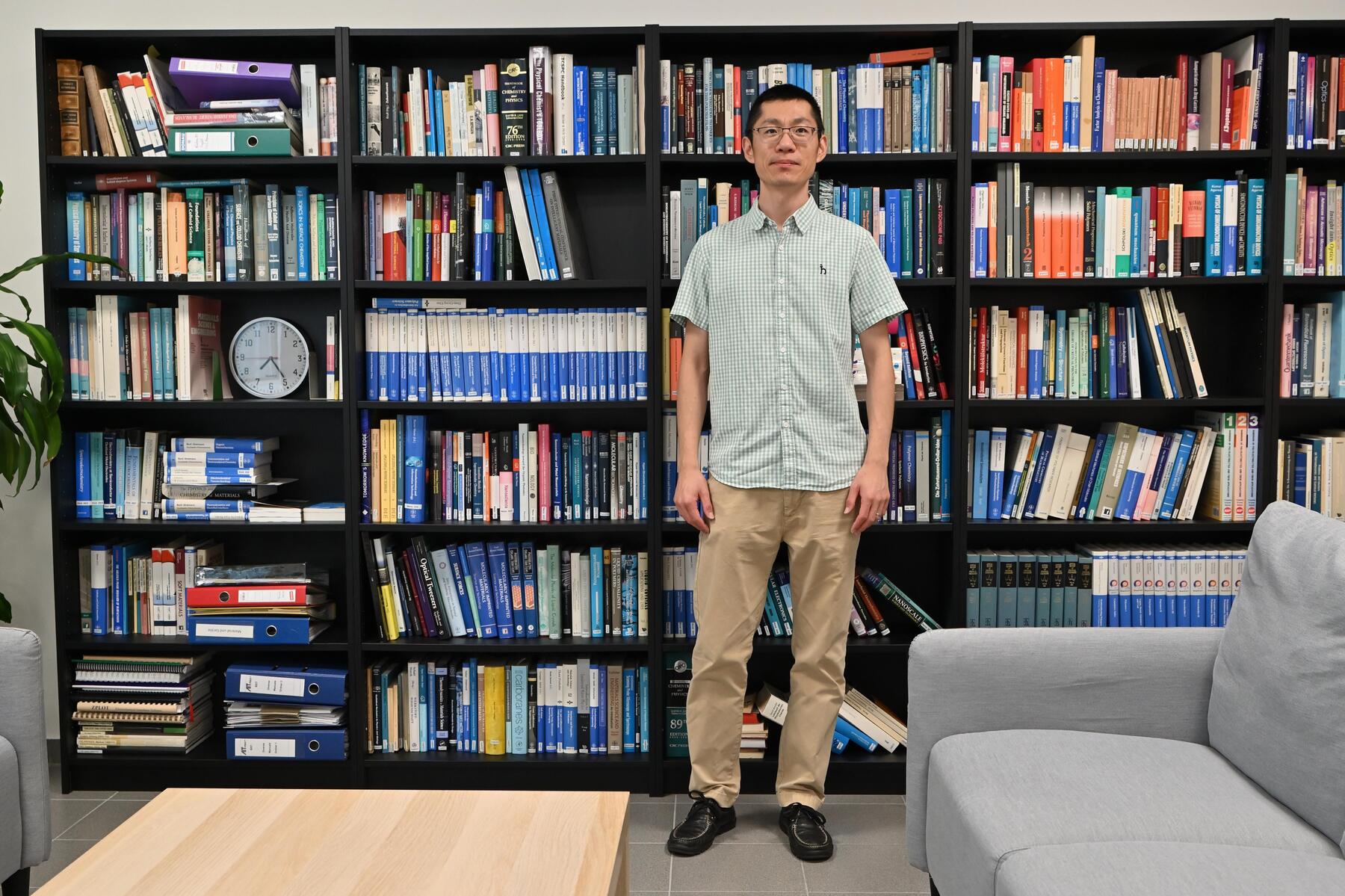
A novel skin patch designed to detect critical health changes is emerging from Wiener Neustadt, Austria. Developed by material scientist Youbin Zheng and his team at the Danube Private University, the technology utilizes a micro-needle sensor to measure biomarkers in the fluid between cells.
Zheng, who leads the Laboratory for Life Sciences and Technology, aims to create tools for early diagnosis and minimally invasive health monitoring. The sensors can be adapted for various biomarkers, offering insights into the body's condition, such as sugar levels, without requiring blood draws. This innovation earned Zheng the "tecnet accent Innovation" award in April.
A key application of the patch is the continuous monitoring of sodium levels. Sodium is a vital electrolyte and a predictor of mortality in hospitalized patients, with nearly a third of intensive care patients experiencing issues with their sodium balance. Current methods rely on blood tests, which provide only snapshots in time. The patch's ability to detect critical fluctuations in real-time could be life-saving.
DistantNews Editorial
Originally published by Die Presse in German. Translated, summarized, and contextualized by our editorial team with added local perspective. Read our editorial standards.
More Stories


From Our Blog

What Gets Lost (and Found) When News Is Translated

The Critical Role of Diaspora Media in Global News

What Travellers Should Know About Countries with Restricted Press

A Digital Nomad's Guide to Following Local News

How the Same Story Looks Different in Different Countries
