


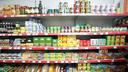
Highly processed foods: Avoid if sugar, syrup, or oils are top ingredients
Translated from Croatian, summarized and contextualized by DistantNews.
At a glance
Explainer
Sources not specified
Context piece
- Consumers should carefully examine ingredient lists on food packaging, as the order indicates the proportion of each component.
- Products listing sugar, glucose-fructose syrup, or refined vegetable oils among the first three ingredients are considered highly processed and of low nutritional value.
- Understanding nutritional labels, particularly serving sizes and the amounts of fats, sugars, and salt, is crucial for making informed dietary choices.
Understanding food labels is essential for making healthier choices, and the ingredient list is the primary place to start. Ingredients are always listed in descending order by weight, meaning the first few ingredients represent the largest quantities in the product. This simple rule can quickly reveal the nature of a food item.
If sugar, glucose-fructose syrup, or refined vegetable oils appear among the first three ingredients, it's a strong indicator that the product is highly processed and offers little nutritional value, regardless of its packaging. For example, in chocolate, sugar often tops the list for milk chocolate, while high-quality dark chocolate will list cocoa first. A shorter ingredient list with recognizable components generally signifies a product closer to its natural state, whereas a long list with unfamiliar chemical names suggests extensive industrial processing and the addition of numerous additives.
Beyond the ingredients, the nutritional table provides detailed information on energy and nutrient content per 100 grams or 100 milliliters. While manufacturers often include a "per serving" column, these serving sizes can be misleadingly small. It is more reliable to focus on the values per 100 grams. Key elements to monitor include fats, especially saturated fats, which should be limited. The "of which sugars" line under carbohydrates reveals the amount of simple sugars, with a daily recommendation of no more than thirty grams.
Salt intake should also be managed, with a daily limit of less than five grams (about one teaspoon). Even a small portion of snacks like chips or crackers can contain nearly half of this daily allowance. The article also touches upon "E-numbers," which denote food additives approved in the EU. While some E-numbers represent harmless substances like Vitamin C (E300) or natural colorings, others, such as artificial colors tartrazine (E102) and yellow (E110), have been linked to hyperactivity in children. Monosodium glutamate (E621) and the artificial sweetener aspartame (E951) are also mentioned as ingredients to be mindful of due to potential adverse effects on sensitive individuals.
DistantNews Editorial
Originally published by Večernji List in Croatian. Translated, summarized, and contextualized by our editorial team with added local perspective. Read our editorial standards.
More Stories



From Our Blog

What Gets Lost (and Found) When News Is Translated

The Critical Role of Diaspora Media in Global News

What Travellers Should Know About Countries with Restricted Press

A Digital Nomad's Guide to Following Local News

How the Same Story Looks Different in Different Countries
