



Himalayan flood death toll nears 600; mud hampers rescue efforts
Translated from German and summarized by DistantNews. Read the original for the full story.
At a glance
News
From a news agency
Ongoing story
- The death toll from a destructive Himalayan flash flood has climbed to nearly 600, with over 2500 people still missing.
- Rescue operations are severely hampered by thick mud deposits, making it difficult for helicopters to land and for teams to access affected areas.
- Efforts are ongoing to rescue individuals trapped in tunnels, while the risk of new glacial lakes forming poses a continued threat.
Rescue teams in the Himalayas are battling treacherous mudslides and navigating difficult terrain as they intensify search and rescue operations following a devastating flash flood. The death toll has tragically risen to nearly 600, with more than 2500 individuals still unaccounted for.
Army spokesperson Raja Ram Basnet described the thick mud deposited by the floodwaters as the most significant obstacle, severely limiting helicopter access to critical areas like Temure, Syabrubesi, and Mailung in Nepal's Bagmati province, which borders Tibet. This makes reaching and evacuating those stranded extremely challenging.
In China, the number of confirmed deaths has reached seven, with the number of missing persons slightly reduced to 554. Combined, the total number of missing persons across Nepal and China now exceeds 2500, adding to the grim tally of 586 confirmed deaths.
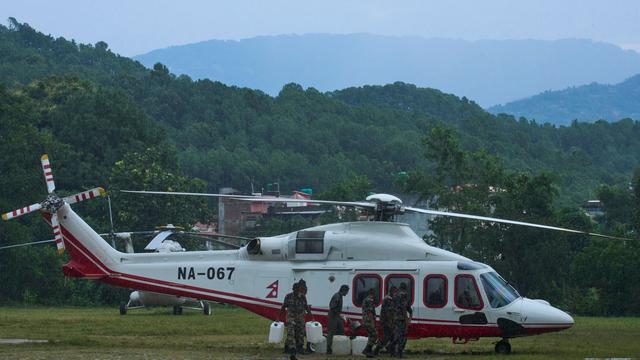
Despite the difficulties, 14 rescue helicopters are currently deployed in Nepal, with the army working to airlift people from areas cut off from the outside world. The Nepalese army is primarily responsible for disaster response operations in the region. Additionally, rescue teams are focusing on individuals trapped in mountain tunnels, though progress has been slow, with only a few people rescued from these confined spaces so far.
Experts believe a glacial lake outburst flood caused the disaster, sending massive amounts of water down a river valley and completely destroying the Gyirong border crossing, a vital route for tourism and trade. The situation remains precarious, with the potential for new glacial lakes to form, posing an ongoing threat to the region.
The most difficult part is the deposited mud as a result of the flood wave. This makes it very difficult to land or take off helicopters in the affected areas.
About this summary
Originally published by Der Spiegel in German. Translated, summarized, and contextualized automatically by DistantNews, with a note on how the source frames the story. Not individually reviewed before publishing. How this works.
More Stories


From Our Blog

What Gets Lost (and Found) When News Is Translated

How the Same Story Looks Different in Different Countries

The Critical Role of Diaspora Media in Global News

What Travellers Should Know About Countries with Restricted Press

A Digital Nomad's Guide to Following Local News
